
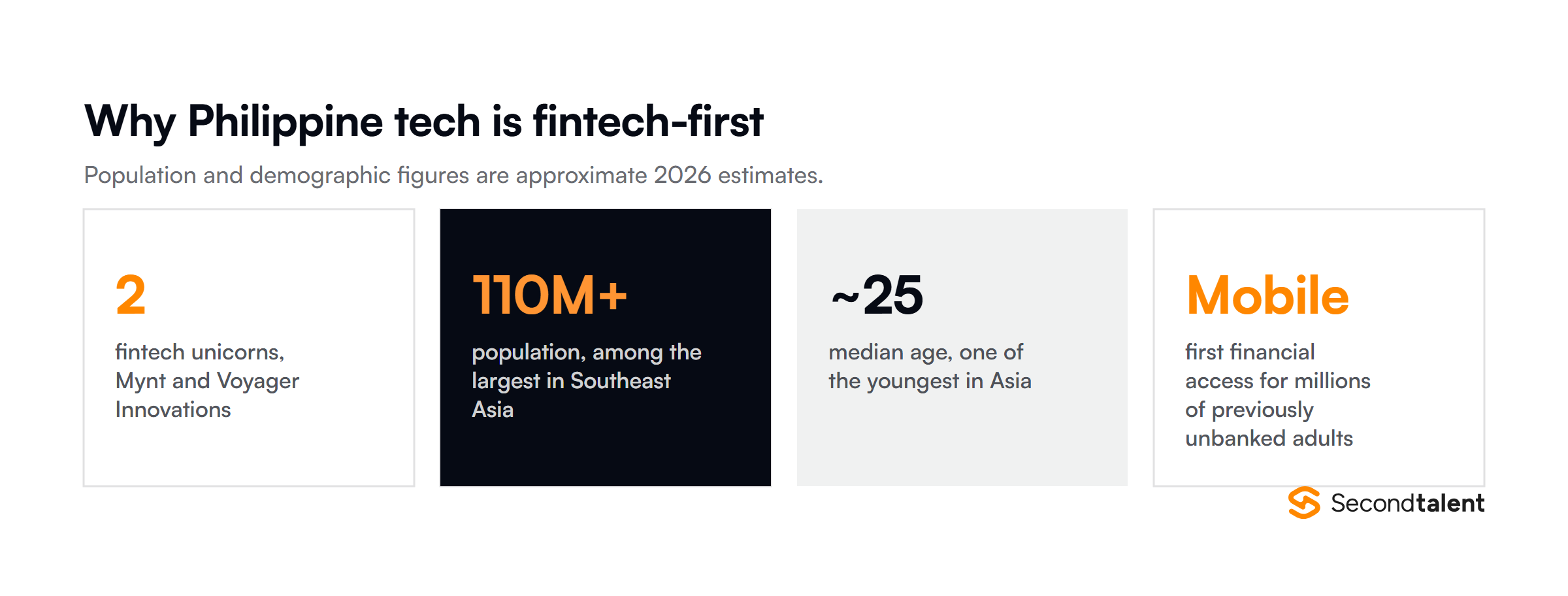
The short version: The Philippine startup scene is unusually concentrated in fintech, for a specific reason: a large, young, heavily underbanked population that went straight to mobile. Every company below was verified as actively trading in August 2026.
The Philippines produces a different kind of startup than its neighbours.
Where Vietnam exports software and Singapore exports capital, Philippine startups have mostly been built to solve domestic problems that are genuinely large: tens of millions of residents without a bank account, a retail economy running through hundreds of thousands of neighbourhood sari-sari stores, and a workforce whose payroll and benefits administration is complicated enough to sustain an entire software category.
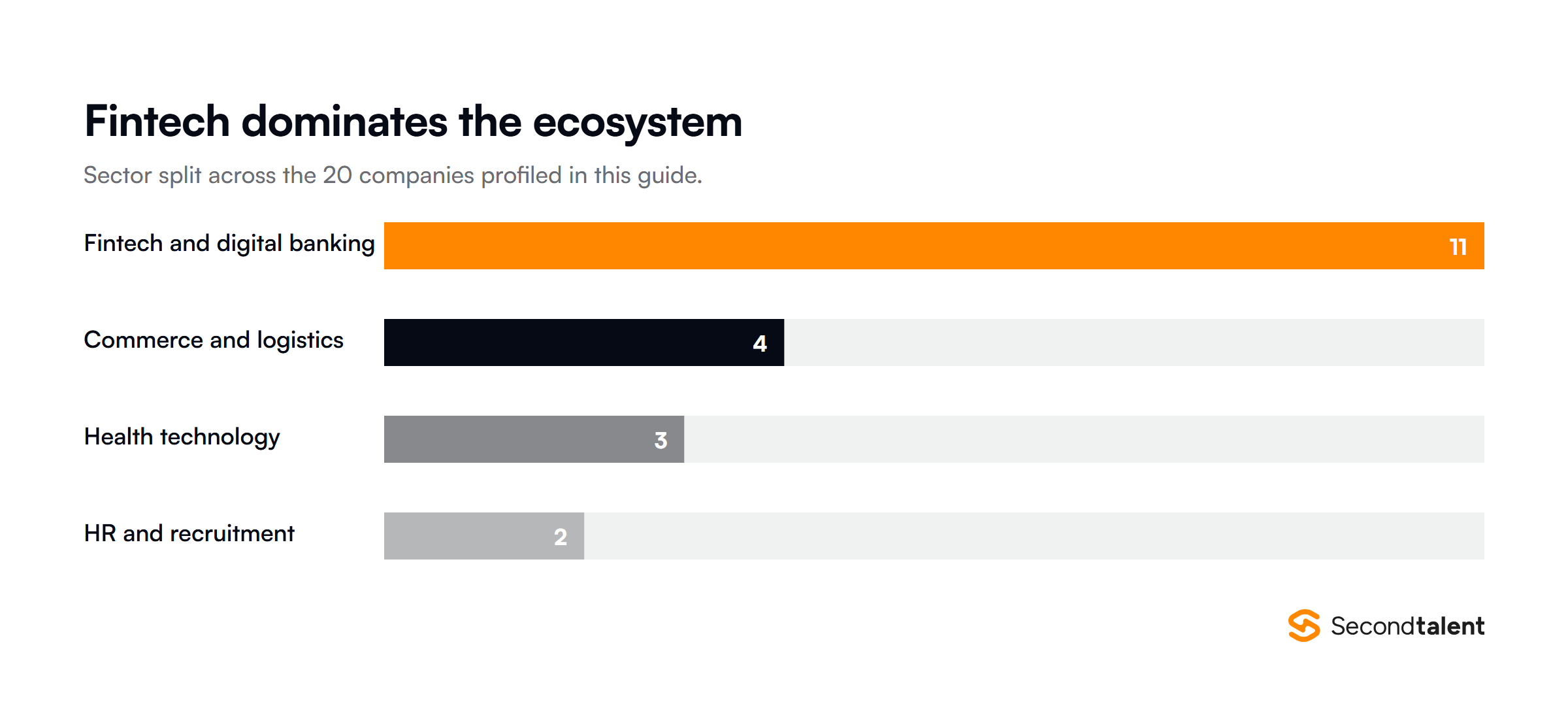
Sector Distribution
Fintech dominates by both company count and capital raised, followed by commerce enablement and logistics, then health and enterprise software.
The pattern is consistent across the ecosystem: the biggest opportunities are in moving money and moving goods through a fragmented retail network.
Top 20 Philippine Tech Startups (2026)
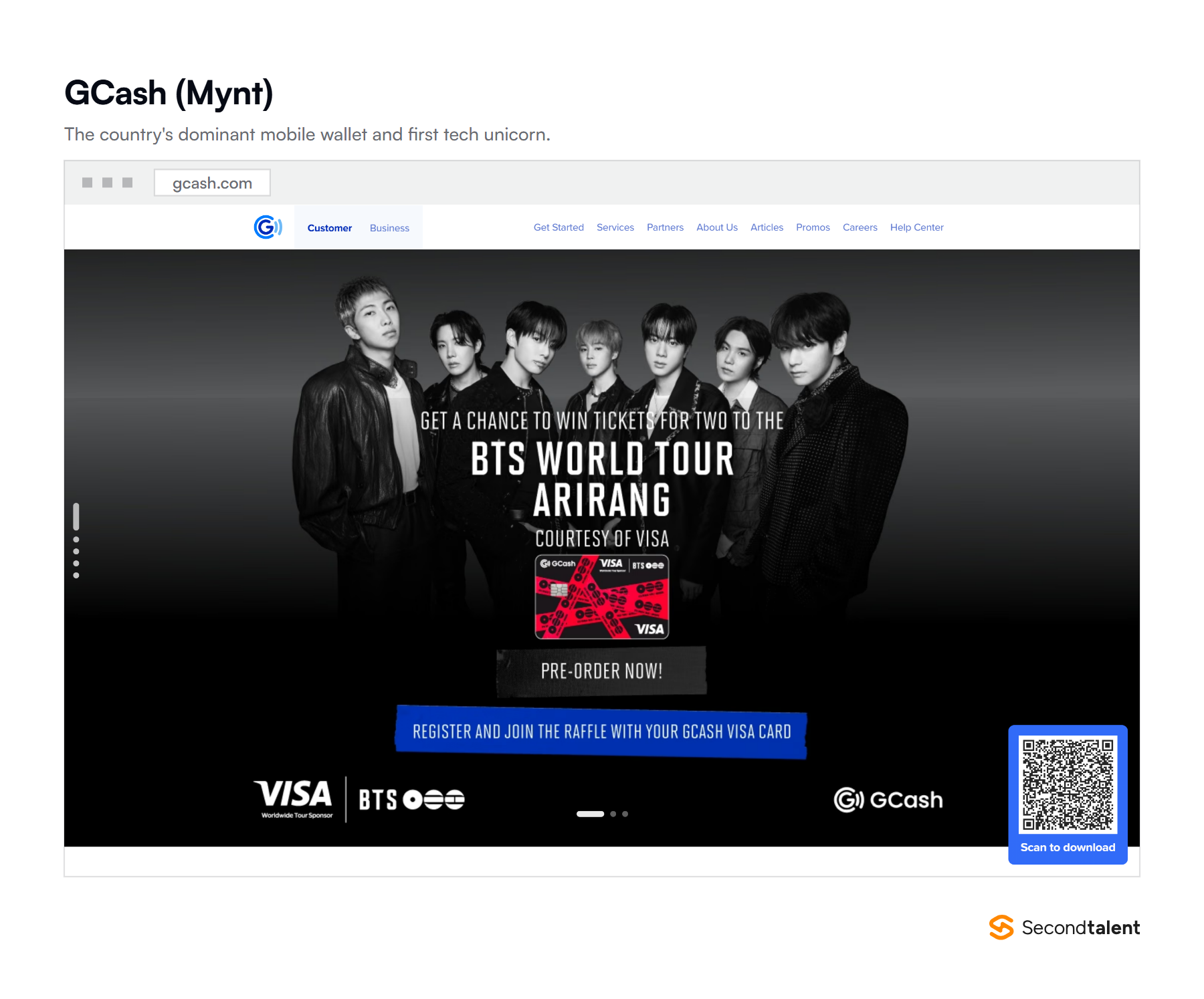
1. GCash (Mynt)
GCash is the default financial interface for a very large share of the country. Operated by Mynt, it grew from a mobile top-up service into a full financial platform covering payments, savings, credit, insurance and investments.
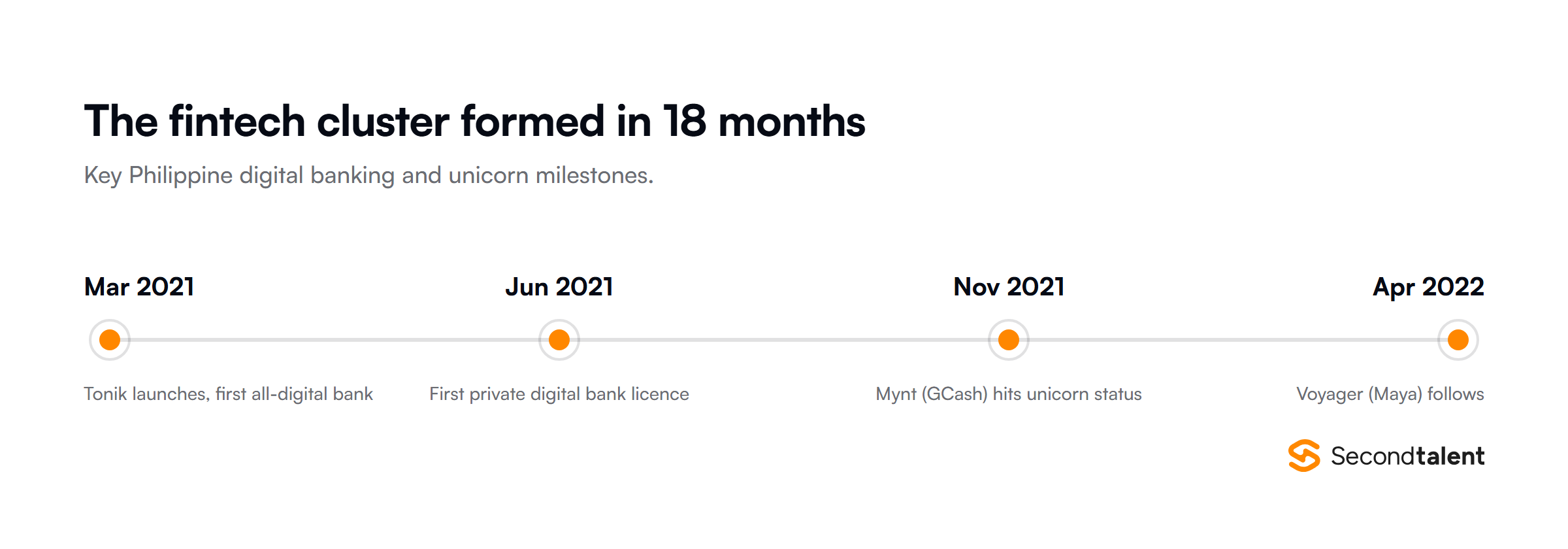
It became the Philippines’ first tech unicorn in November 2021 and remains the largest technology company in the market by users.
Sector: Fintech. Why it matters: GCash is the distribution layer other Philippine startups build on top of.
2. Maya (Voyager Innovations)
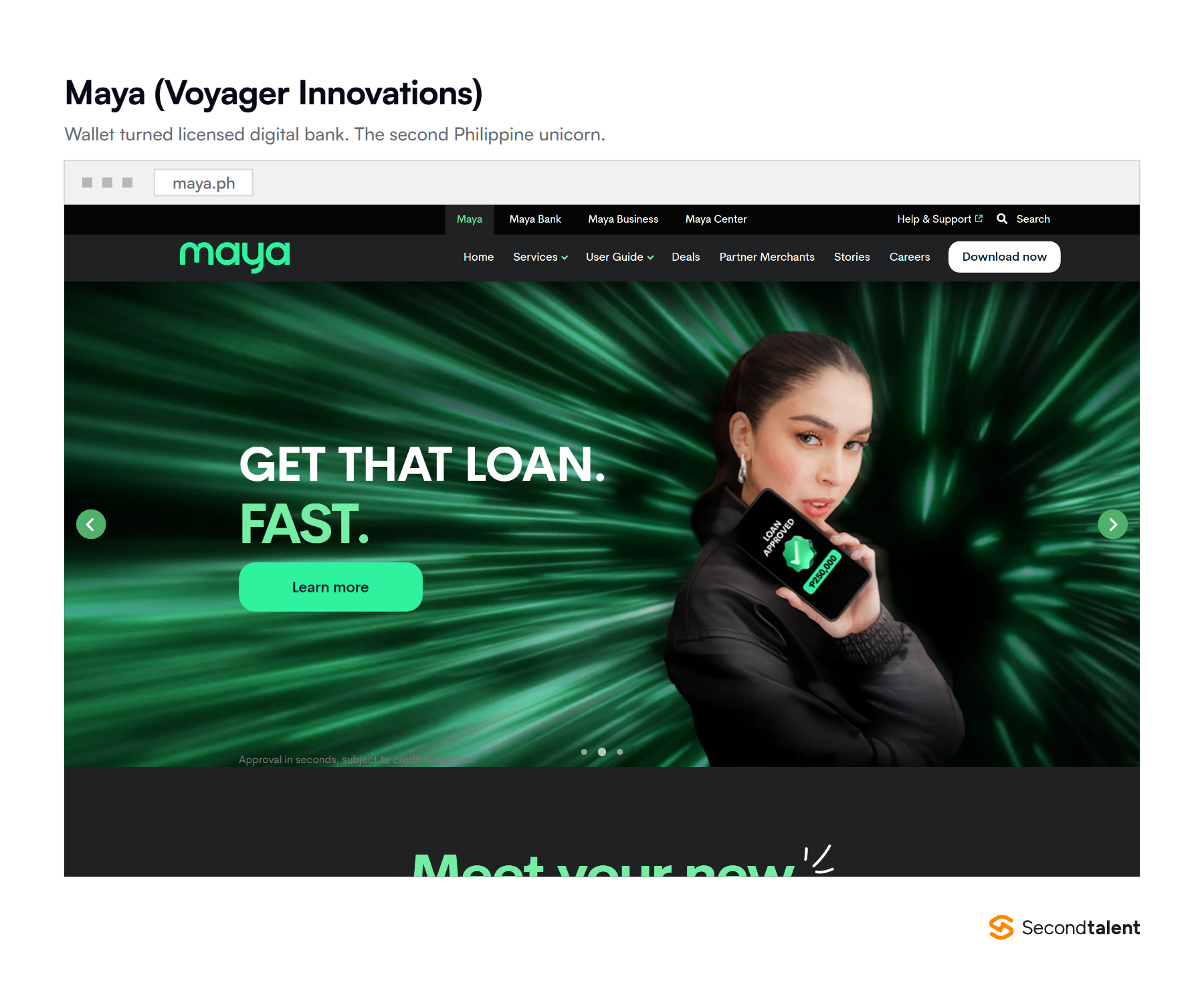
Maya, previously PayMaya, is the country’s other fintech giant and the sharpest strategic contrast to GCash.
Rather than remaining a wallet, it pursued a full digital banking licence and now operates as a digital bank offering savings, credit and merchant payments alongside the consumer wallet.
It became the second Philippine unicorn in April 2022.
Sector: Fintech and digital banking. Why it matters: the clearest test of whether a wallet can become a bank.
3. Tonik
Tonik launched in March 2021 as the first all-digital bank in the Philippines and, according to the company, took in one billion pesos in deposits in under a month.
It secured the first private digital bank licence in June 2021 and raised a 131 million dollar Series B led by Mizuho Bank, following a 21 million dollar Series A in 2020.
Sector: Digital banking. Why it matters: proved deposit demand existed, which triggered the whole licensed neobank cohort.

4. UNO Digital Bank
UNO Digital Bank is one of the licensed digital banks operating under the Bangko Sentral regime, offering deposits, loans and payments through a mobile-first product.
It represents the second wave of Philippine neobanking: entering after Tonik proved the category, with a broader product set from launch.
Sector: Digital banking.
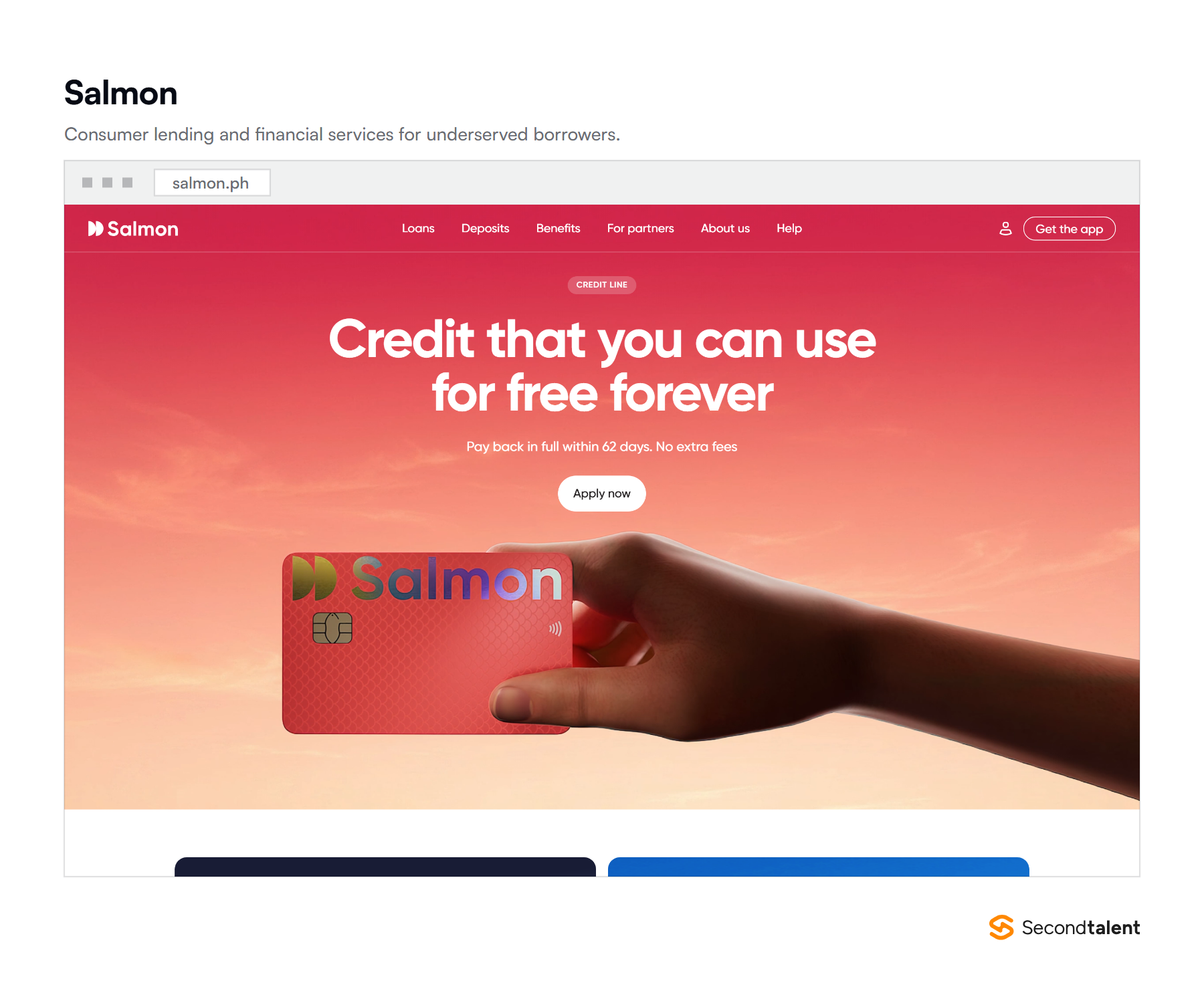
5. Salmon
Salmon is a consumer lending and financial services company founded by former senior operators from international fintech and banking, targeting credit for customers underserved by traditional banks.
It is one of the more heavily capitalised newer entrants and has been building both lending and banking capability.
Sector: Consumer lending.
6. PDAX
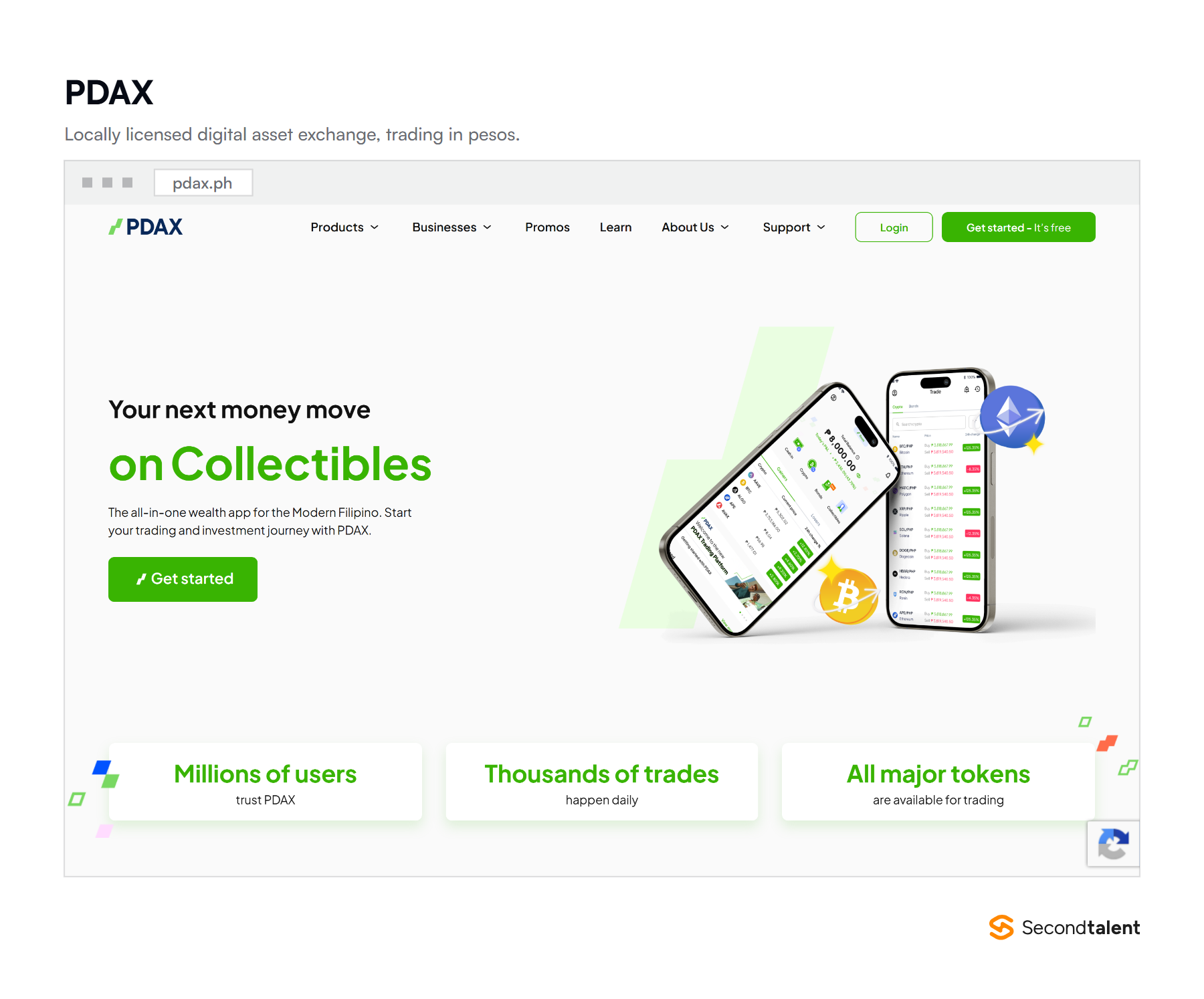
PDAX is the leading locally licensed cryptocurrency exchange, letting Filipino customers trade digital assets in pesos under Bangko Sentral oversight.
Its relevance is less about crypto speculation than about remittances and cross-border value transfer, which matter enormously in a country with a very large overseas workforce.
Sector: Digital assets.
7. First Circle
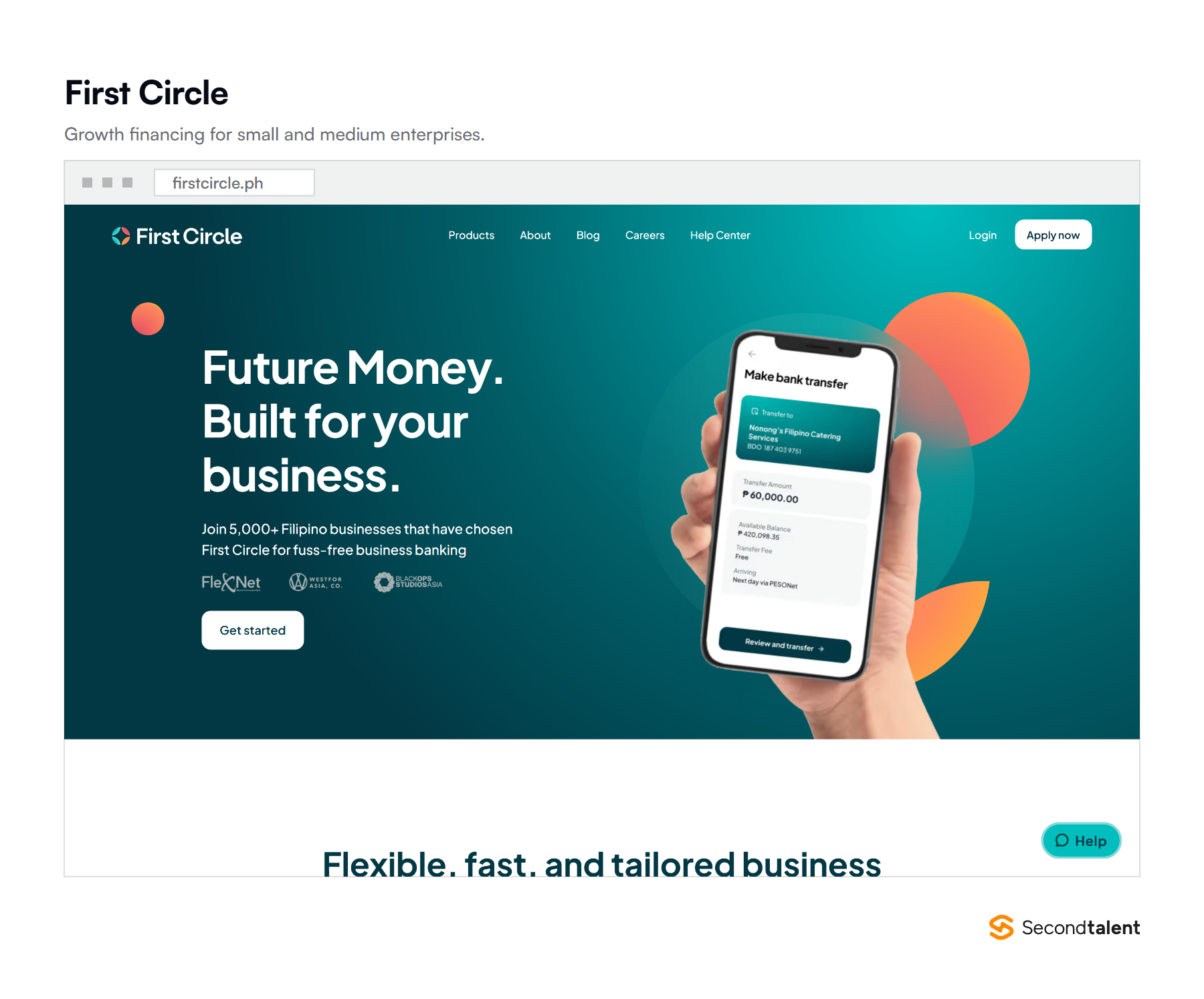
First Circle provides growth financing to small and medium enterprises, a segment traditional Philippine banks have served poorly because of collateral requirements and paperwork.
It underwrites using transaction and invoice data rather than property collateral.
Sector: SME lending.
8. SAVii
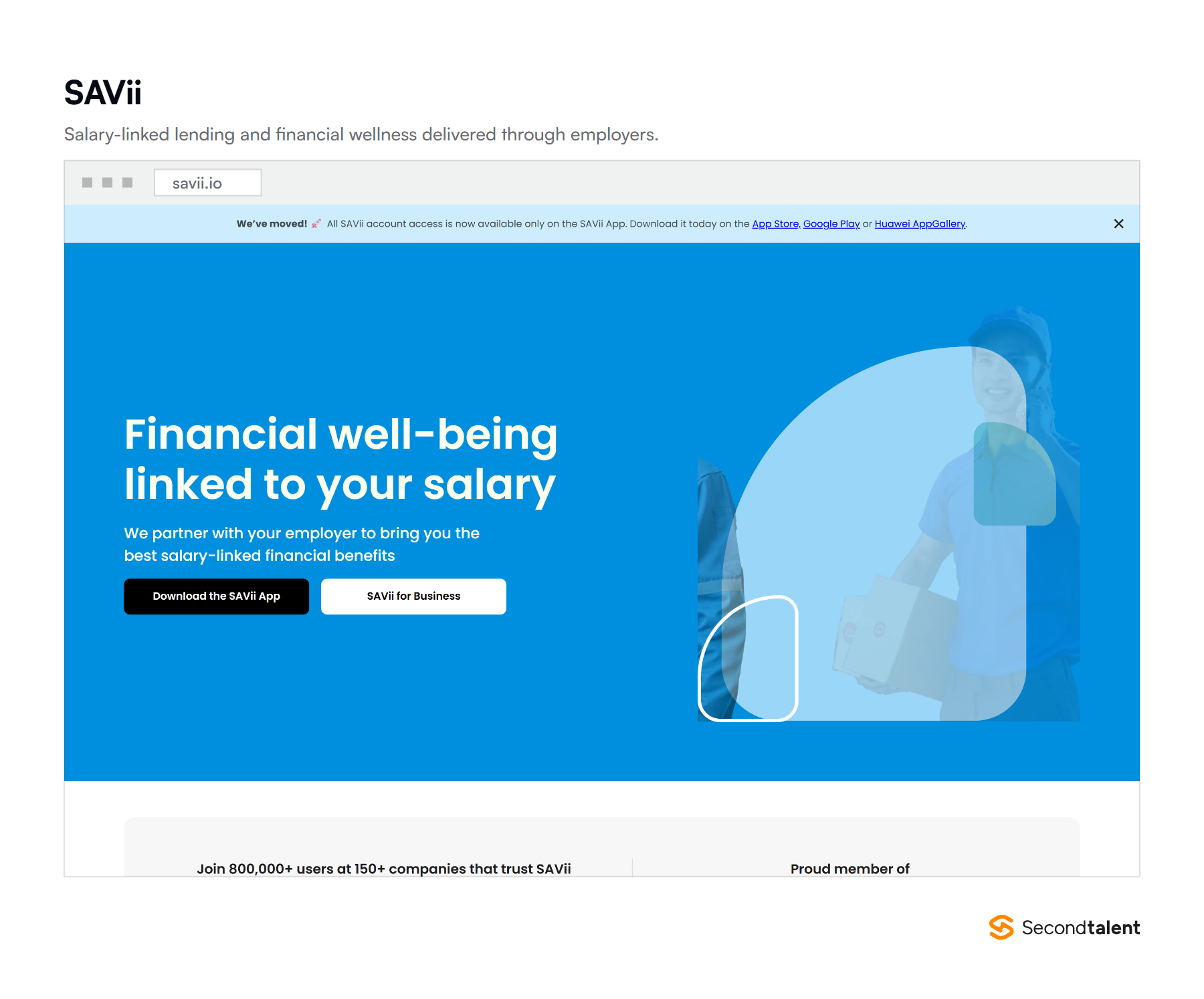
SAVii provides salary-linked lending and financial wellness benefits delivered through employers, giving staff access to credit at rates well below informal lenders.
It is a good example of a company built around a specifically Philippine problem: payday lending and informal debt are widespread, and employer-linked distribution solves the underwriting problem.
Sector: Employee financial benefits.
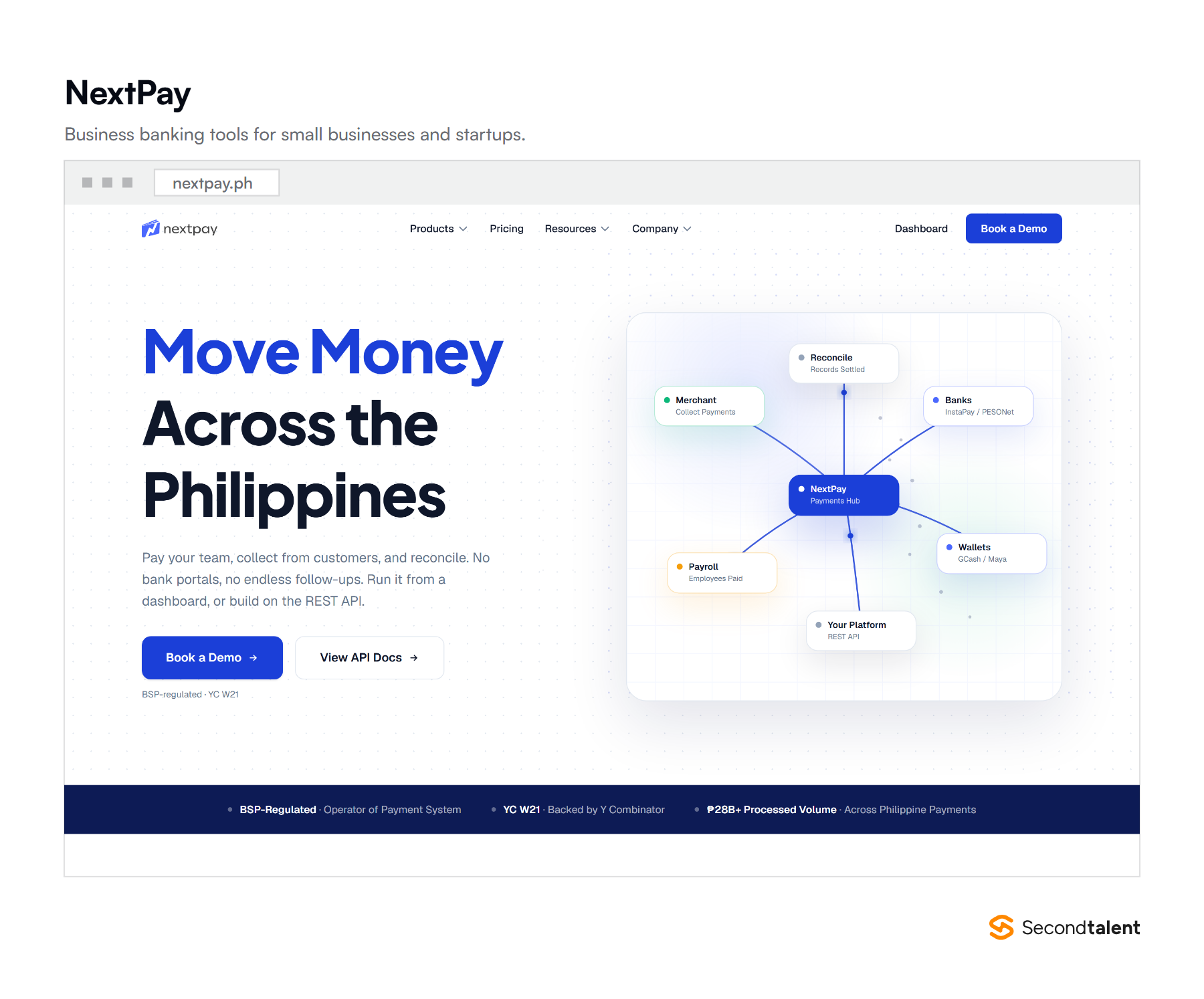
9. NextPay
NextPay offers business banking tools for small businesses and startups, covering disbursements, payroll payments and collections without a traditional corporate banking relationship.
It targets the long tail of businesses too small for corporate bank onboarding.
Sector: SME fintech.
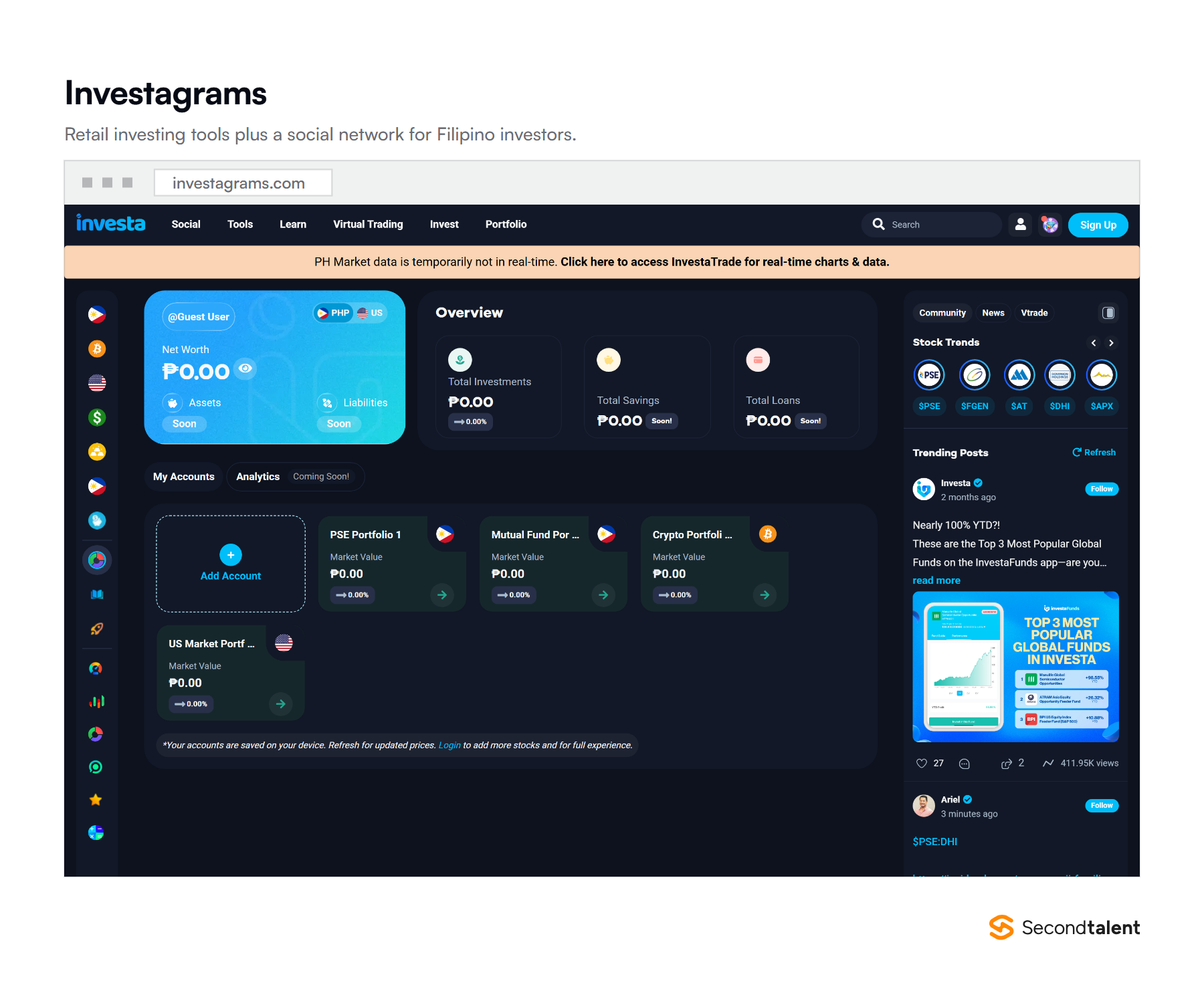
10. Investagrams
Investagrams combines retail investing tools with a social network for Filipino investors, covering market data, virtual trading and community discussion.
It captured a wave of first-time retail investors and built the community layer around it rather than only the brokerage layer.
Sector: Retail investing.
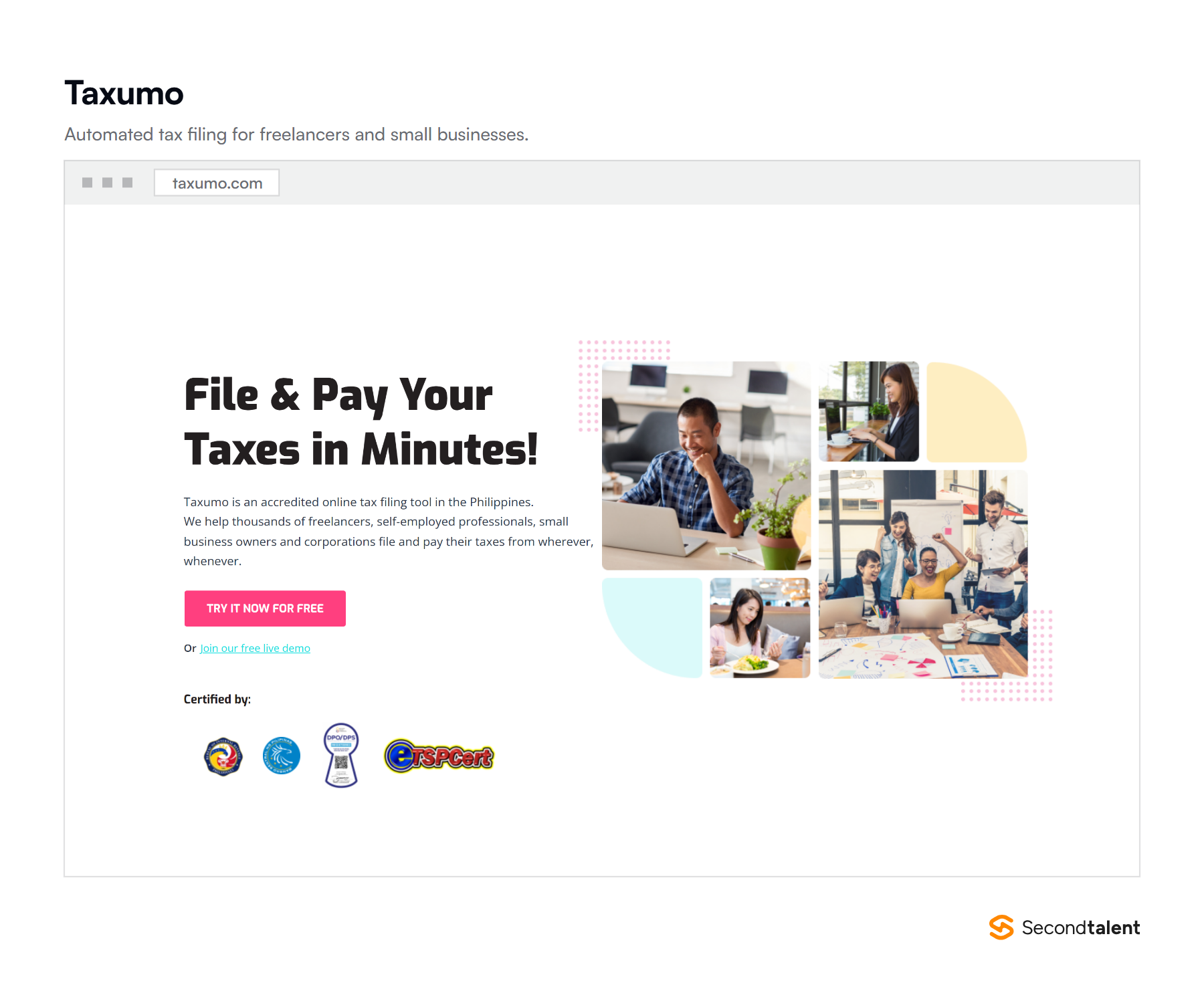
11. Taxumo
Taxumo automates tax filing and payment for freelancers, professionals and small businesses, an unglamorous category that solves a real and recurring problem.
With a very large freelance and remote workforce, compliance tooling has a natural market here.
Sector: Tax and compliance software.
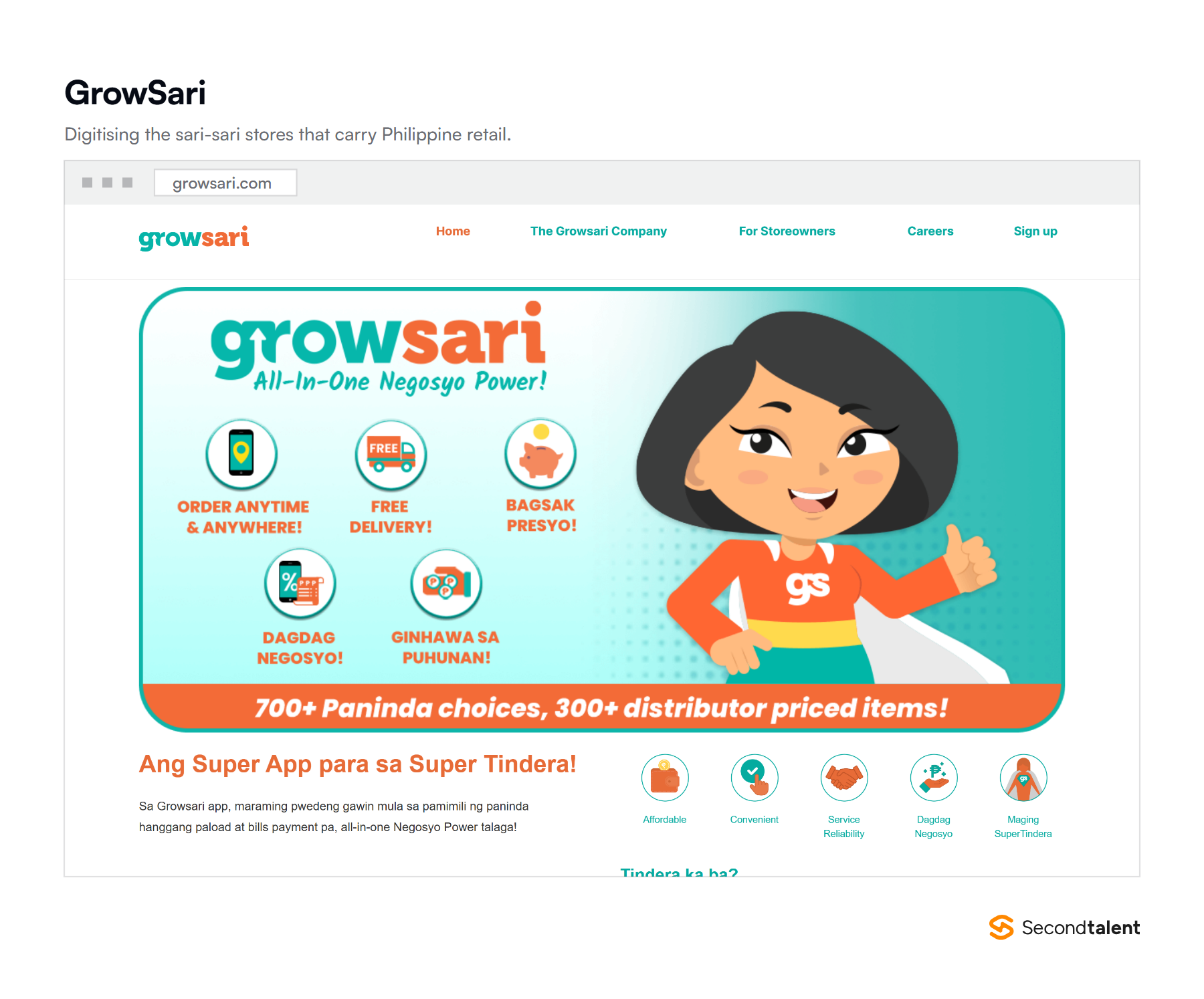
12. GrowSari
GrowSari digitises sari-sari stores, the neighbourhood shops that form the backbone of Philippine retail, giving owners better pricing, inventory access, credit and digital services.
It is arguably the most structurally important non-fintech company in the country, because it attacks distribution economics for hundreds of thousands of micro-retailers.
Sector: B2B commerce.
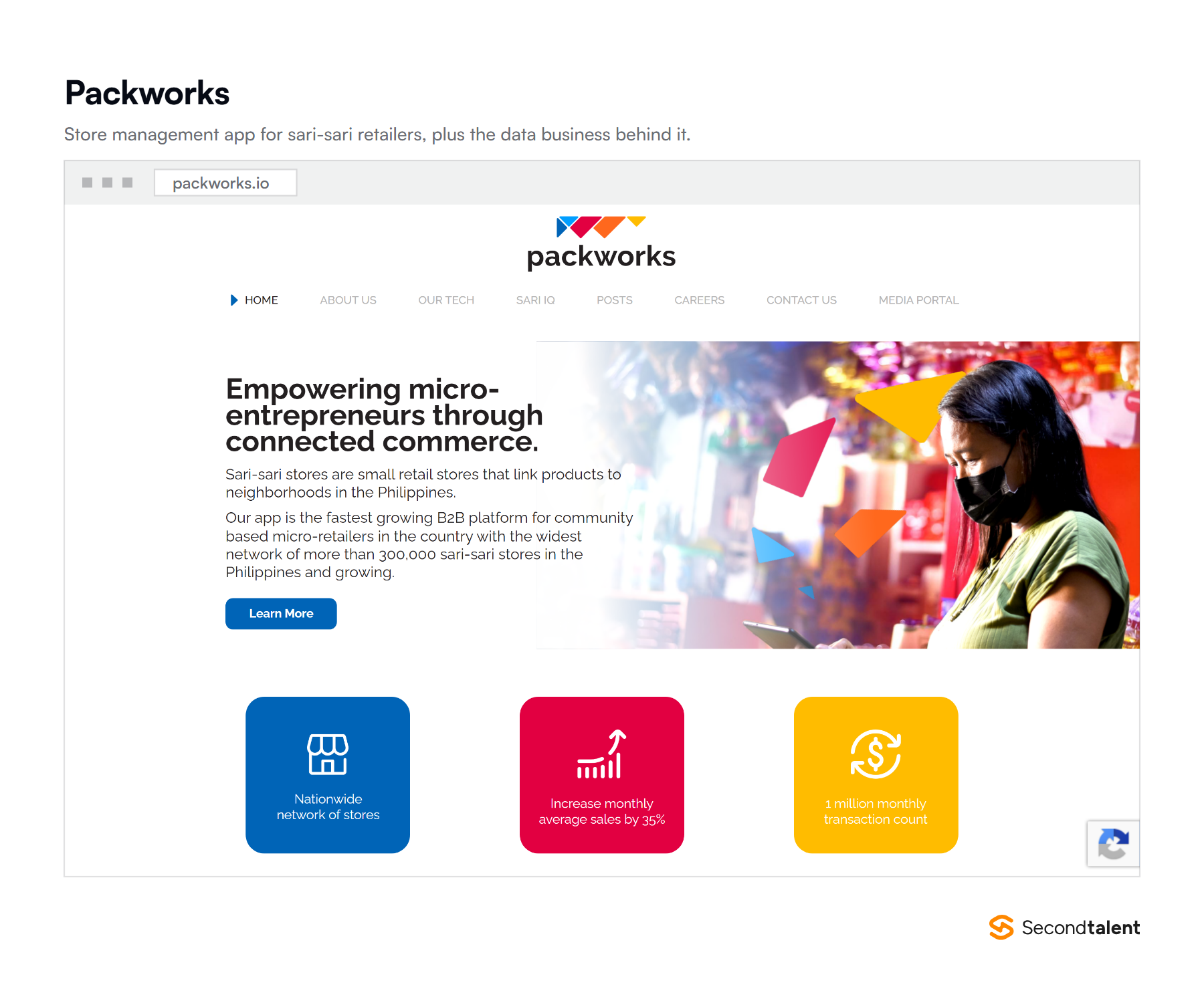
13. Packworks
Packworks serves the same sari-sari network with a business management app, and has turned the resulting transaction data into a genuinely valuable asset for consumer goods companies that previously had almost no visibility into micro-retail demand.
The data business is the interesting part.
Sector: Retail technology and data.
14. Locad
Locad runs a logistics and fulfilment network for e-commerce brands across Asia Pacific, connecting warehousing, inventory and delivery through a single platform.
It is one of the more regionally minded companies on this list, operating well beyond the Philippines.
Sector: Logistics technology.

15. edamama
edamama is an e-commerce and content platform for mothers and families, combining curated commerce with editorial and community. It is a focused demographic play in a market where generalist marketplaces dominate.
Sector: E-commerce.

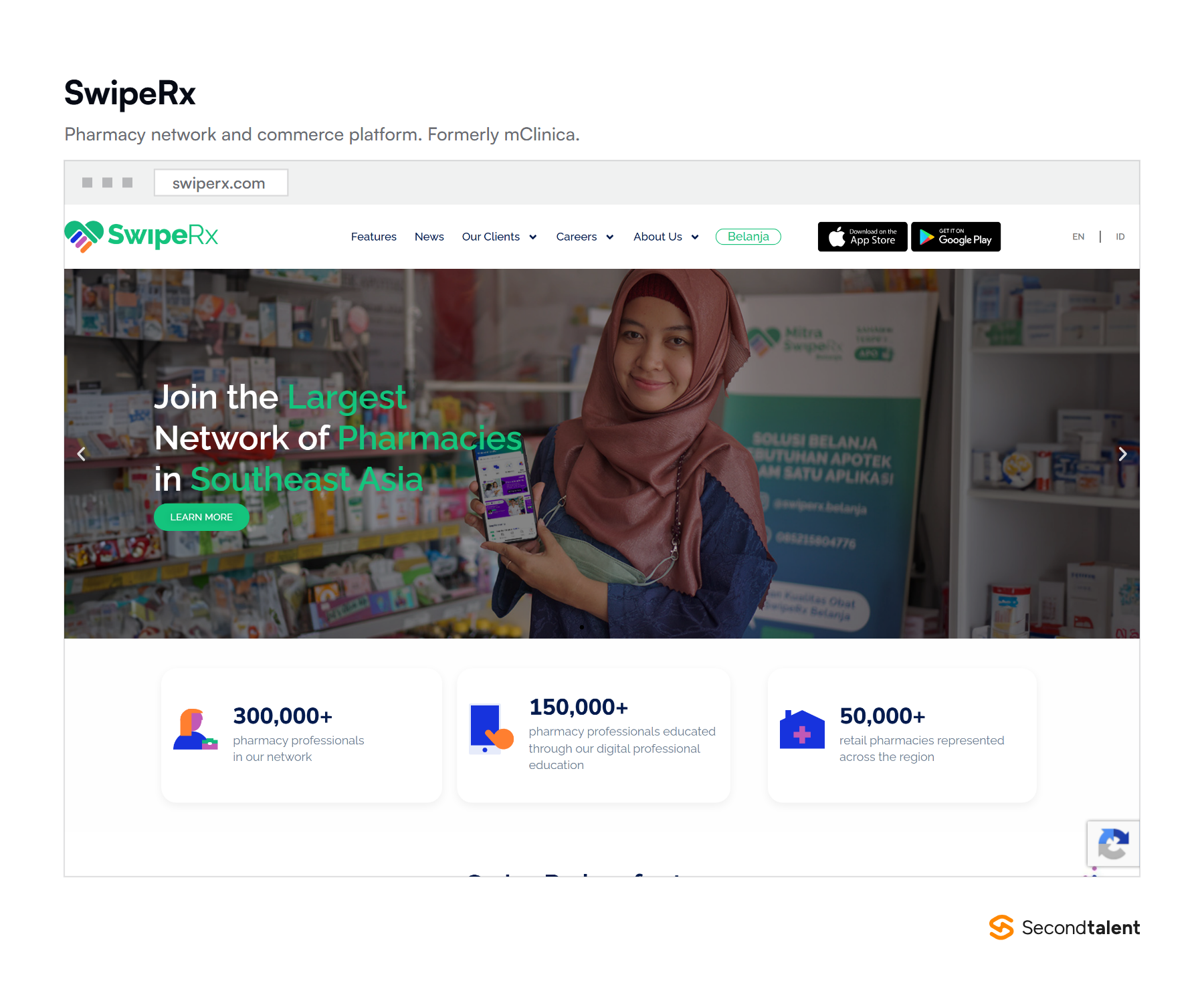
16. SwipeRx
SwipeRx, which grew out of mClinica, is a professional network and commerce platform for pharmacies and pharmacists across Southeast Asia, covering training, purchasing and market data.
Note the rebrand: the mClinica domain now redirects to SwipeRx, and older listicles still cite the former name as though it were a separate company.
Sector: Health technology.
17. MedGrocer
MedGrocer runs digital pharmacy and corporate health services, including medicine delivery, vaccination programmes and employee health benefits administration.
Its corporate health business grew substantially through the period when employers took on far more direct responsibility for staff healthcare.
Sector: Health technology.

18. Zennya
Zennya delivers on-demand health services to the home, including diagnostics, therapy and nursing care, dispatched much like a ride-hailing service.
It is a logistics answer to a healthcare access problem in a country where clinic capacity is unevenly distributed.
Sector: Health services.

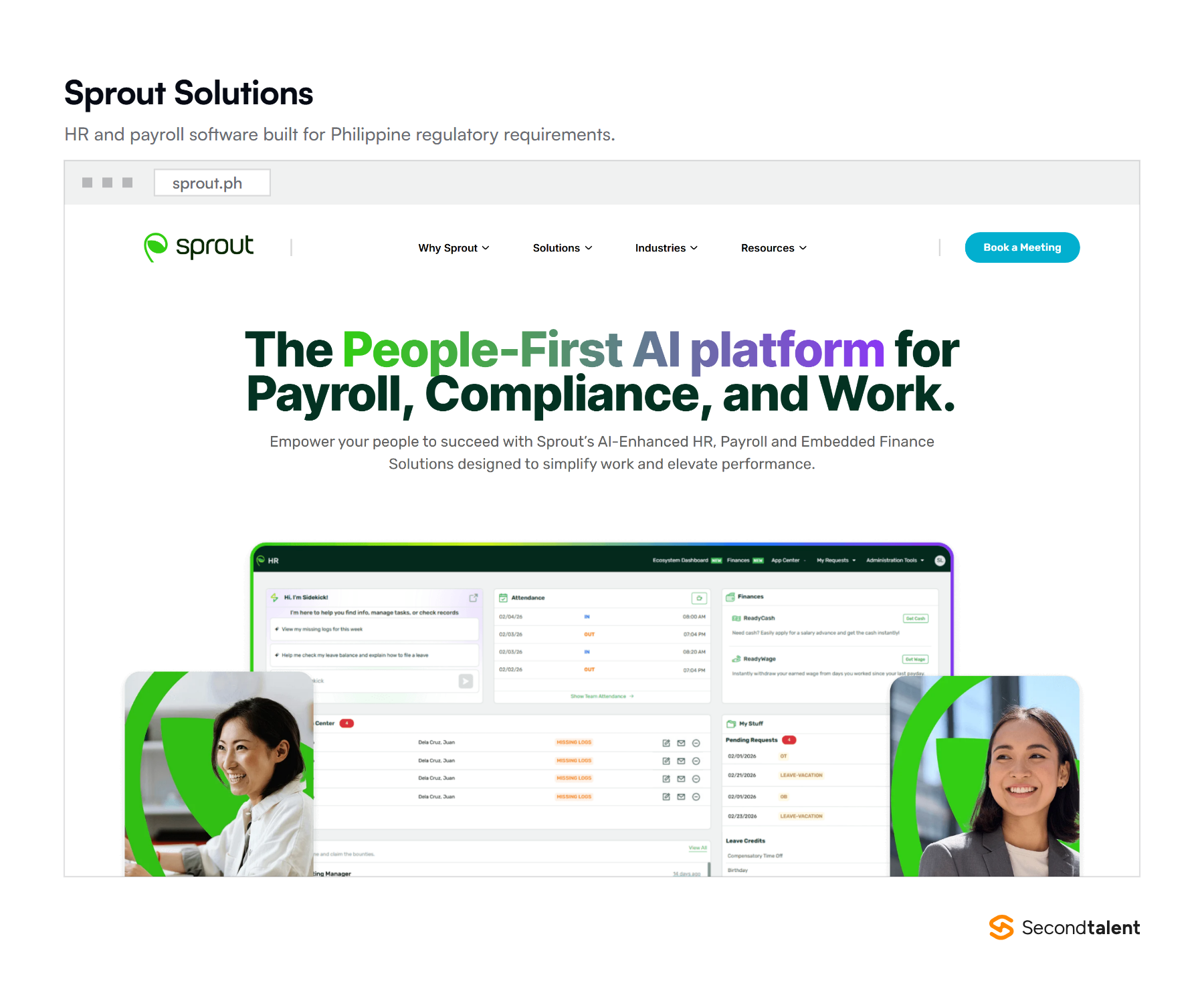
19. Sprout Solutions
Founded in 2015 by Patrick Gentry and based in Makati, Sprout Solutions builds HR, payroll and workforce management software tailored to Philippine regulatory requirements.
That localisation is the moat: Philippine payroll involves statutory contributions, 13th-month pay and government reporting that generic international HR software handles badly. Investors include Kickstart Ventures and ADB Ventures.
Sector: HR technology. Why it matters: if you employ staff in the Philippines, this is the category you will eventually deal with.
20. Kalibrr
Kalibrr, founded in January 2012 by Paul Rivera and Dexter Ligot-Gordon, is a recruitment platform combining a jobs marketplace with applicant tracking, employer branding and assessments.
It passed through Y Combinator and drew early backing from Kickstart Ventures among others, and remains the most established Philippine-built recruitment technology company.
Sector: Recruitment technology.

How We Selected These Startups
Every company on this list was checked against its own live website in August 2026, not against a startup directory.
Directories are the main reason these lists go stale: they keep listing companies for years after they wind down, and they miss rebrands entirely. One company we originally shortlisted had no working domain at all and was removed.
We favoured companies with a verifiable product in market over those with funding announcements and nothing shipped.
We also weighted toward companies that matter to an international audience, either because you might use them, compete with them, or hire the engineers who built them.
Funding Landscape
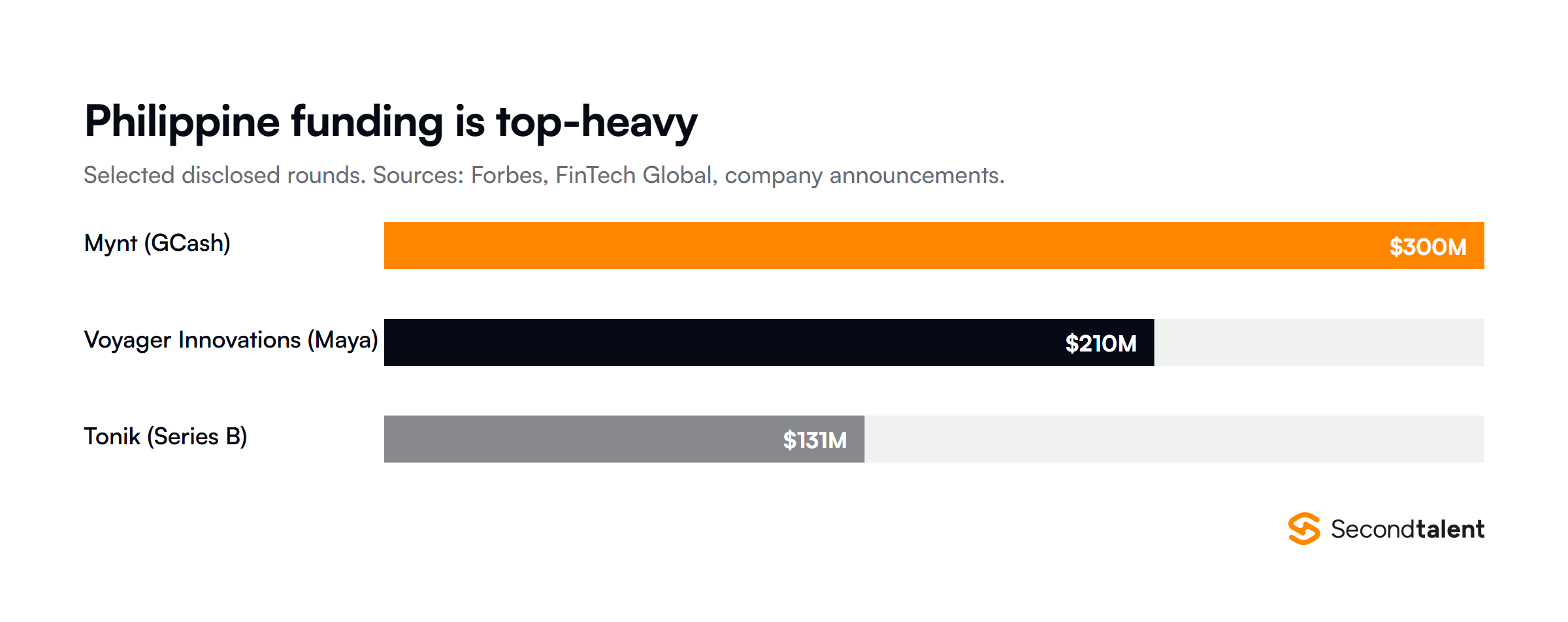
Philippine funding is top-heavy. A small number of very large fintech rounds account for most of the capital, while the rest of the ecosystem operates on comparatively modest cheques.
The gap between a 300 million dollar unicorn round and a typical local seed round is wider here than in Singapore or Indonesia.
A note on ecosystem statistics: aggregate figures for the Philippine startup scene vary widely between data providers, including the count of unicorns and total capital raised. We have cited only company-level figures that trace back to a named round or an official announcement, and left the aggregates out.
What This Means If You Are Hiring in the Philippines
A funded local startup scene changes the hiring market in ways worth planning for.
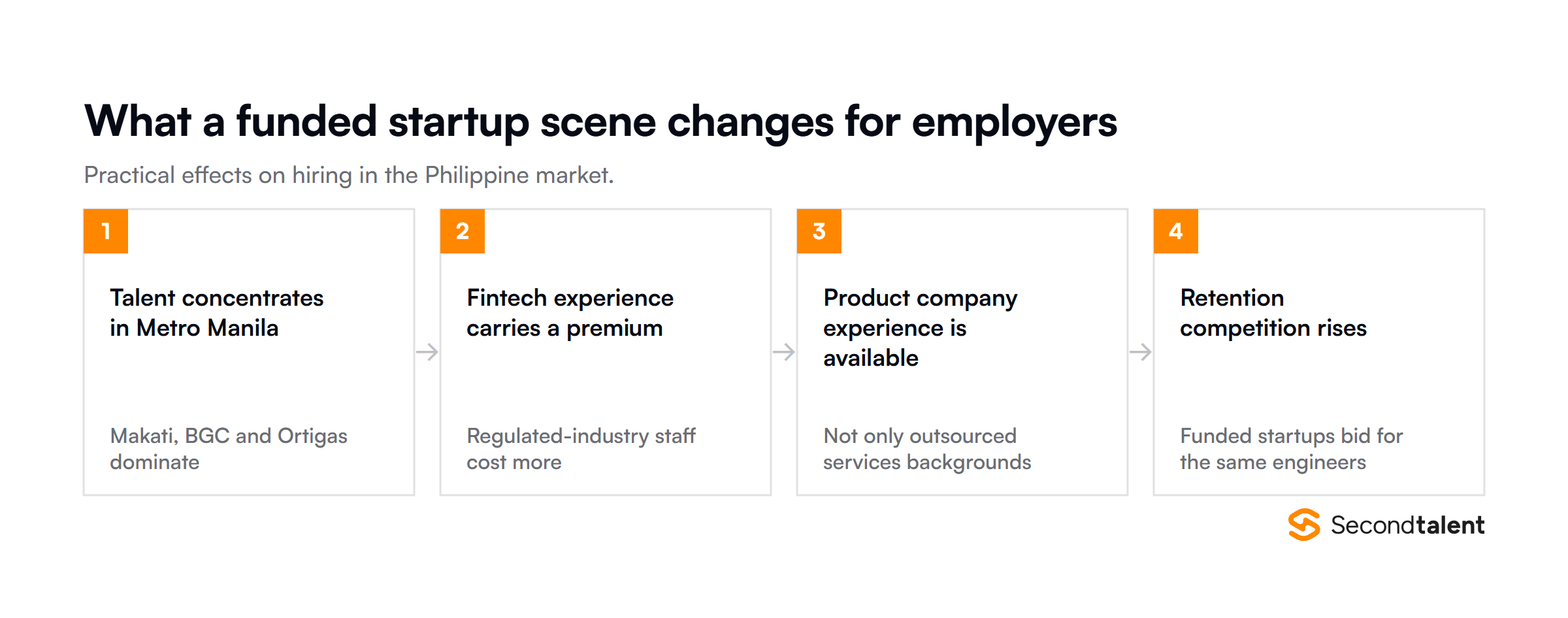
It concentrates senior engineering talent in Metro Manila, it raises compensation expectations for staff with fintech and regulated-industry experience, and it creates a pool of employees who have worked at genuine product companies rather than only in outsourced services.
That last point is the most valuable and the most competitive to access.
Our guide to engineering talent in the Philippines covers the supply picture in depth, and the Philippines developer rate card sets out current salary and hourly ranges by role.
If you are comparing markets across the region, our Philippines versus Vietnam versus Indonesia breakdown is the place to start, and the companion piece on tech startups in Vietnam covers the neighbouring ecosystem.
To employ staff without setting up a local entity, an employer of record in the Philippines handles payroll, statutory contributions and 13th-month pay while you direct the work.
You can also hire developers in the Philippines through us directly, or review the leading IT recruitment agencies in the Philippines if you prefer a local agency route.
Key takeaways
- Philippine tech is fintech-first because of a young, mobile, historically underbanked population, not by coincidence.
- Both unicorns are payments companies: Mynt, which runs GCash, and Voyager Innovations, which runs Maya.
- A licensed digital bank regime produced a regulated neobank cohort rather than an unlicensed grey market.
- The most structurally interesting non-fintech companies attack sari-sari store distribution, which reaches hundreds of thousands of micro-retailers.
- Watch for rebrands when researching this market. mClinica now trades as SwipeRx, and stale directory listings treat them as separate companies.
Frequently Asked Questions
How many unicorns does the Philippines have?
Two are consistently recognised: Mynt, the operator of GCash, which reached the milestone in November 2021, and Voyager Innovations, the operator of Maya, in April 2022.
Counts differ between data providers depending on how private valuations are treated.
Why is the Philippine startup scene so fintech-heavy?
A young population, high mobile penetration, a large overseas workforce sending remittances home, and historically low traditional banking coverage.
That combination makes mobile financial services the largest addressable problem in the country.
Where are most Philippine startups based?
Overwhelmingly in Metro Manila, particularly the business districts of Makati, Bonifacio Global City and Ortigas, with Cebu as the main secondary hub.
Can I employ staff at or from these companies without a local entity?
Yes. An employer of record legally employs staff on your behalf and handles Philippine payroll, statutory contributions and 13th-month pay, which removes the need to incorporate locally for a small team.
Hiring in the Philippines? Second Talent sources and employs engineers, designers and support staff across the Philippines and the wider region, with no upfront fees. Tell us what you are building and we will show you who is available.



![Programming Languages by Usage Statistics. Top 15 Programming Languages by Usage Statistics [2026], by Second Talent.](https://www.secondtalent.com/wp-content/uploads/2026/09/top-programming-usage-statistics-featured-v2-768x403.jpg)
![How to Download and Install Google's Antigravity. How to Download and Install Google's Antigravity IDE [2026], by Second Talent.](https://www.secondtalent.com/wp-content/uploads/2026/09/how-to-download-and-install-googles-antigravity-ide-featured-v2-768x403.jpg)