TL;DR: OpenAI, Anthropic and Google DeepMind lead the companies developing proprietary AI in 2026, with GPT-6, Claude 5.5 and Gemini 4 all shipped since September. Anthropic is the most valuable private lab at $965 billion, ahead of OpenAI at $852 billion. Microsoft, xAI, Meta, Amazon, Mistral, Cohere and Palantir round out the ten.
Meta, the company that made open weights mainstream with Llama, now sells its strongest model only inside a $200-a-month coding subscription. The ten below each build and sell their own models or AI platform.
Most still publish some open weights on the side, and each entry below names them.
Quick comparison
| Company | Flagship in 2026 | Open weights | Headline figure |
|---|---|---|---|
| OpenAI | GPT-6 Astra | gpt-oss (2025) | $852B valuation |
| Anthropic | Claude Opus 5.5 | None | $965B valuation |
| Google DeepMind | Gemini 4 Carbon | Gemma 4 | 1B Gemini app users |
| Microsoft AI | MAI-Thinking-1 | Phi | 30M paid Copilot seats |
| xAI (SpaceX) | Grok 4.7 | Grok-1, Grok-2.5 | $250B in SpaceX deal |
| Meta | Muse Wonder Full | Muse Spark Open | $135B to $145B capex |
| Amazon | Nova 2 | None | $184B AWS run rate |
| Mistral AI | Mistral Large 4 | Most models | Over €21B valuation |
| Cohere | North 2 | Command A+ | $240M ARR in 2025 |
| Palantir | AIP | None | 96% revenue growth |
- 1Anthropic filed to list on Nasdaq on October 26, 2026, under the ticker ANT.
- 2Among the nine model builders, only Anthropic and Amazon have never released open weights.
- 3Anthropic trains on xAI's Colossus cluster, rented from a direct rival.
- 4Amazon is winding down four Nova models to fund a single new frontier effort.
1. OpenAI
OpenAI shipped four GPT-6 models between September 3 and October 26, 2026, and scrapped a fifth. TechCrunch reported, citing the Wall Street Journal, that OpenAI dropped a planned GPT-6.1 Astra over safety concerns.
The tiers released instead now span the whole price range.
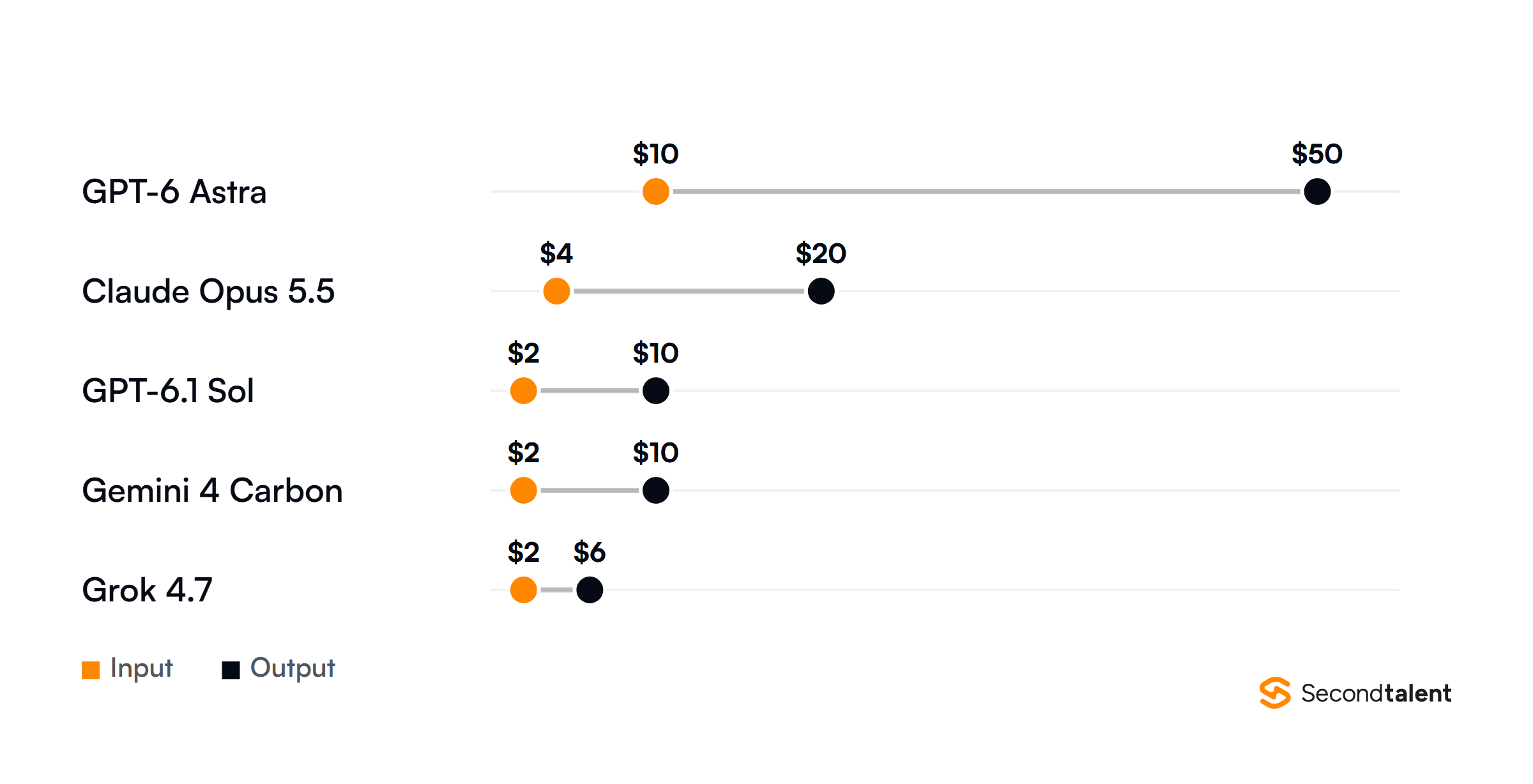
GPT-6 Astra lists at $10 per million input tokens and $50 per million output. GPT-6.1 Sol costs $2 and $10, which is where most API traffic is likely to move.
The money behind it closed on March 31: a $122 billion round at an $852 billion post-money valuation, with Amazon putting in $50 billion.
Revenue figures need care. OpenAI told investors it was at about $50 billion annualized at the end of September, CNBC confirmed. A $68 billion figure that circulated the same month reportedly counted partners' gross sales.
On staffing, the FT reported a plan to grow from about 4,500 people to about 8,000 by the end of 2026, as Engadget summarised.
- Flagship: GPT-6 Astra in ChatGPT and the API, with GPT-6.1 Sol as the price-performance tier.
- Open weights: gpt-oss-120b and gpt-oss-20b, from August 2025. Nothing new in 2026.
- Use it when: you want the widest distribution, with the same models on ChatGPT, Azure and Bedrock.
2. Anthropic
Anthropic's S-1 shows revenue of about $16.3 billion in the first half of 2026, against about $4.6 billion for all of 2025, Fortune reported.
The same filing shows an $80.7 billion first-half net loss, of which $72.4 billion is a non-cash charge. The company announced the filing on October 26 and has not yet set a price range.
The Claude 5.5 family arrived in three weeks. Claude Opus 5.5 launched on September 22 at $4 and $20 per million tokens, followed by Sonnet 5.5 on September 28 and Haiku 5.5 on October 7. All three run on AWS, Google Cloud and Azure.
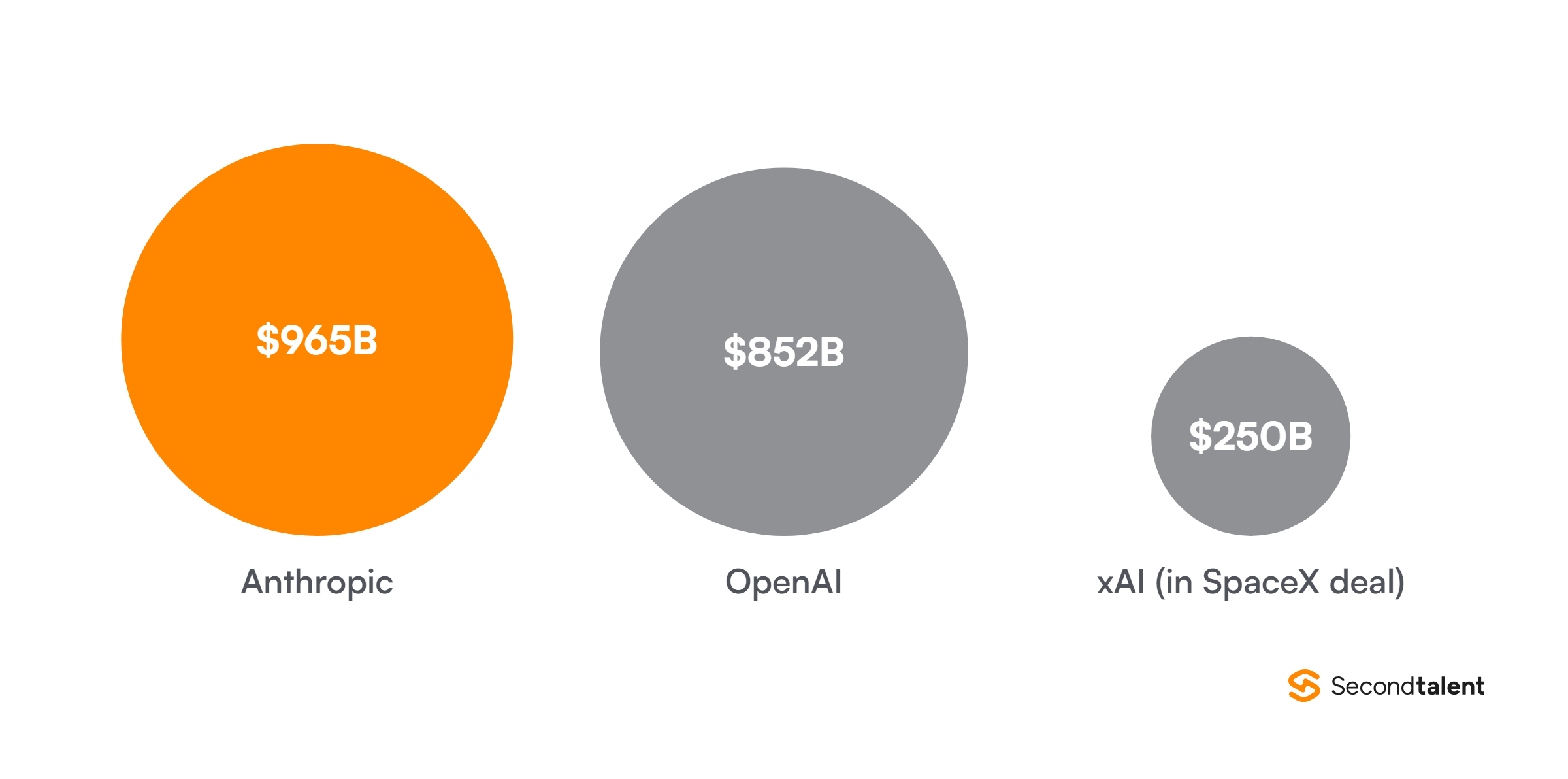
The $965 billion figure comes from a $65 billion Series H on May 28, led by Altimeter, Dragoneer, Greenoaks and Sequoia, according to counsel Orrick.
Headcount grew from about 940 at the end of 2024 to about 5,300 by September 30, 2026, Business Insider reported from the S-1. Anthropic is also spending $100 million to train 10,000 engineers on its tools.
- Flagship: Claude Opus 5.5, with Sonnet 5.5 and Haiku 5.5 below it.
- Open weights: none. Anthropic is the only frontier lab here that has never released model weights.
- Use it when: you need one model family available on whichever cloud you already pay for.
3. Google DeepMind
Google's strongest model in 2026 is one most developers cannot use yet. Gemini 4 Carbon, announced October 28, ranks first on the Artificial Analysis Intelligence Index v5.0 with a score of 59.
Access is limited to cyber defenders and Fairwind partners, at an introductory $2 and $10 per million tokens. Gemini 4 Argon, from September 30, followed the same path before reaching Google AI Pro and Ultra subscribers.
Distribution is Google's advantage. On the Q3 2026 earnings call, Sundar Pichai said the Gemini app had passed 1 billion users and called it the fastest-growing product in Google's history.
First-party APIs now process nearly 32 billion tokens a minute.
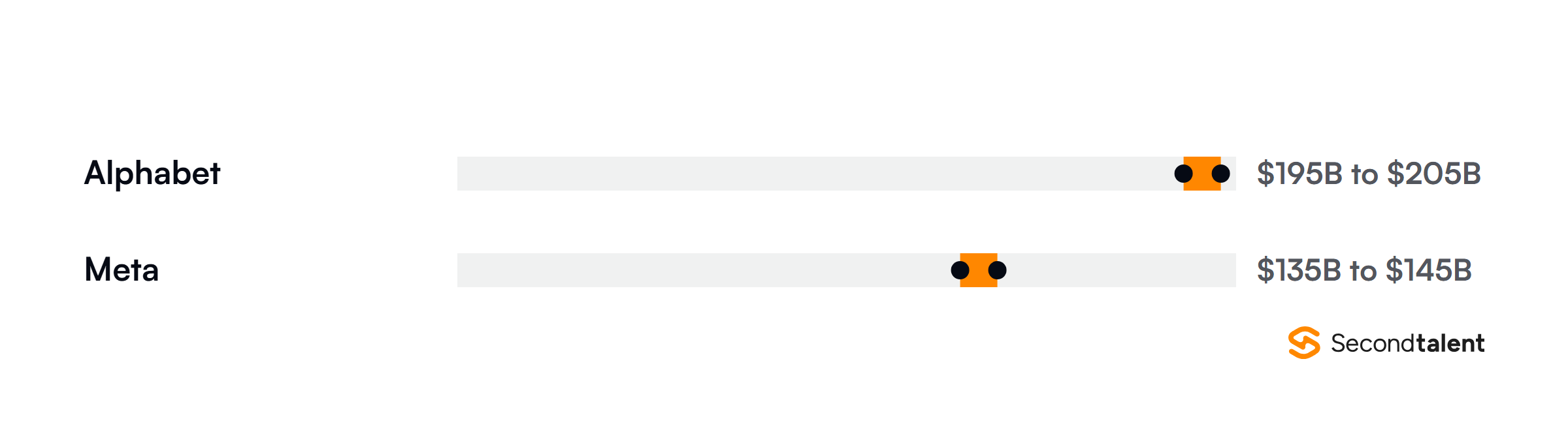
Alphabet held its 2026 capex guidance at $195 billion to $205 billion, against Meta's $135 billion to $145 billion. Its headcount reached 204,757 on September 30, up from 190,167 a year earlier.
Google publishes no separate count for DeepMind.
- Flagship: Gemini 4 Carbon (restricted) and Gemini 4 Argon (in paid Gemini plans).
- Open weights: Gemma 4, released April 2, 2026 under Apache 2.0, in sizes up to a 31B dense model.
- Use it when: your users already live in Google Workspace, Android or Google Cloud.
4. Microsoft AI
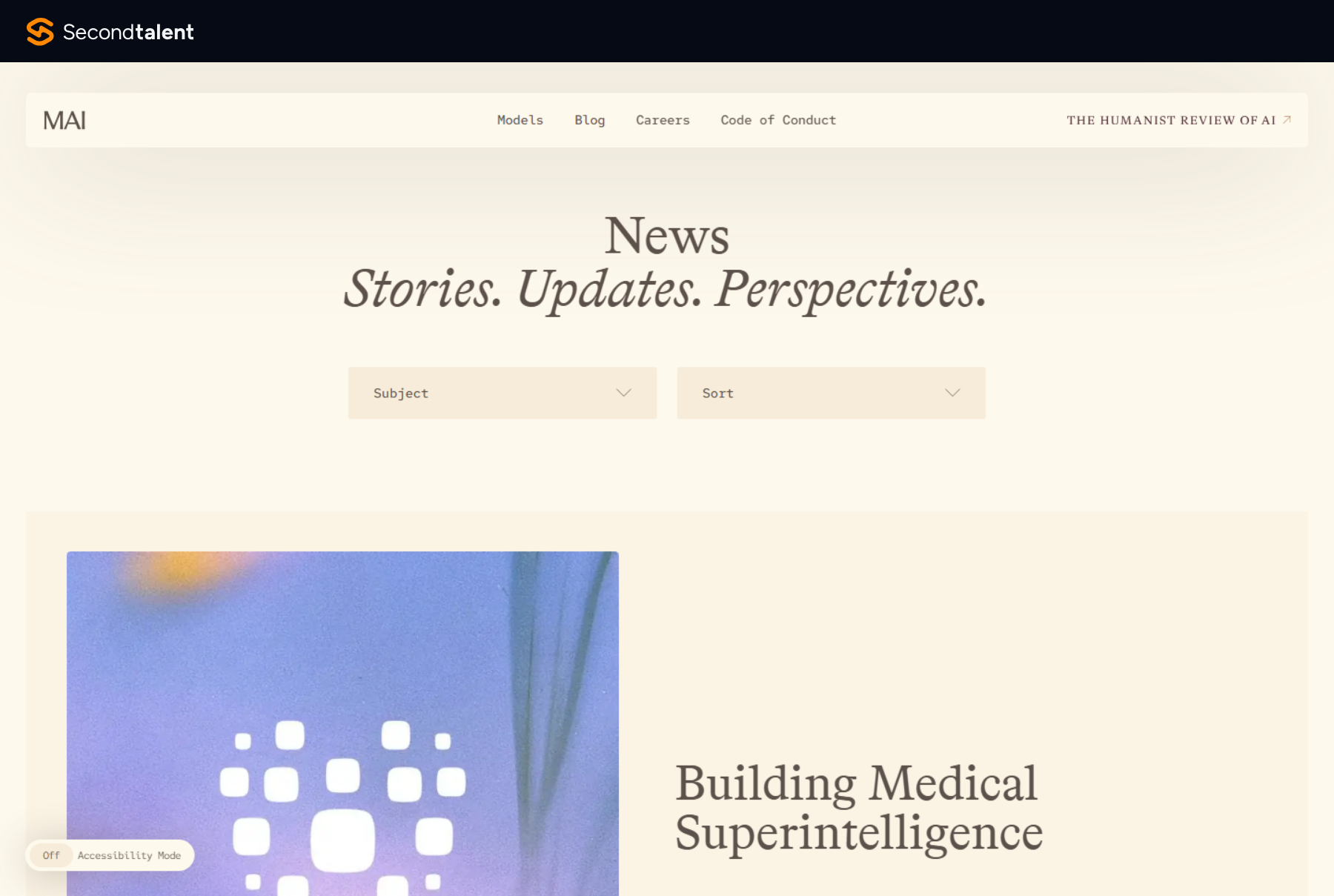
Microsoft spent 2026 building models it does not have to license from OpenAI. Its first three MAI models, for transcription, voice and images, arrived on April 2.
On August 12 came MAI-Thinking-1, a reasoning model with about a trillion total parameters and about 35 billion active. Microsoft says it trained the model without distilling any third-party model. It is in public preview on Foundry.
The products are where the MAI models get their reach. On the October 28 earnings call, Satya Nadella said MAI Code Flash had 3 million users inside GitHub Copilot in a single month. Azure grew 48% and quarterly capex was $45.2 billion.
Microsoft 365 Copilot passed 30 million paid seats in fiscal 2026, according to the company's proxy statement.
The staffing picture is split. Microsoft offered voluntary exits to about 60,000 employees on October 26, even as the MAI team ships a new model roughly every month.
- Flagship: MAI-Thinking-1, plus the MAI image, voice, code and cyber models.
- Open weights: the Phi family of small models, most recently Phi-4-reasoning-vision-15B under MIT.
- Use it when: you are standardised on Microsoft 365, GitHub and Azure Foundry.
5. xAI
xAI is no longer a standalone company. SpaceX acquired it on February 2, 2026, in a deal Reuters said valued xAI at $250 billion and SpaceX at $1 trillion.
SpaceX then listed in June at $135 a share, raising about $75 billion, CBS News reported. The prospectus put xAI's 2025 revenue at $3.2 billion against a $6.4 billion operating loss, as TechCrunch detailed.
Compute is the asset that sets xAI apart. Under a deal announced on May 6, Anthropic rents capacity on the Colossus cluster, so a rival lab now pays xAI to train its models.
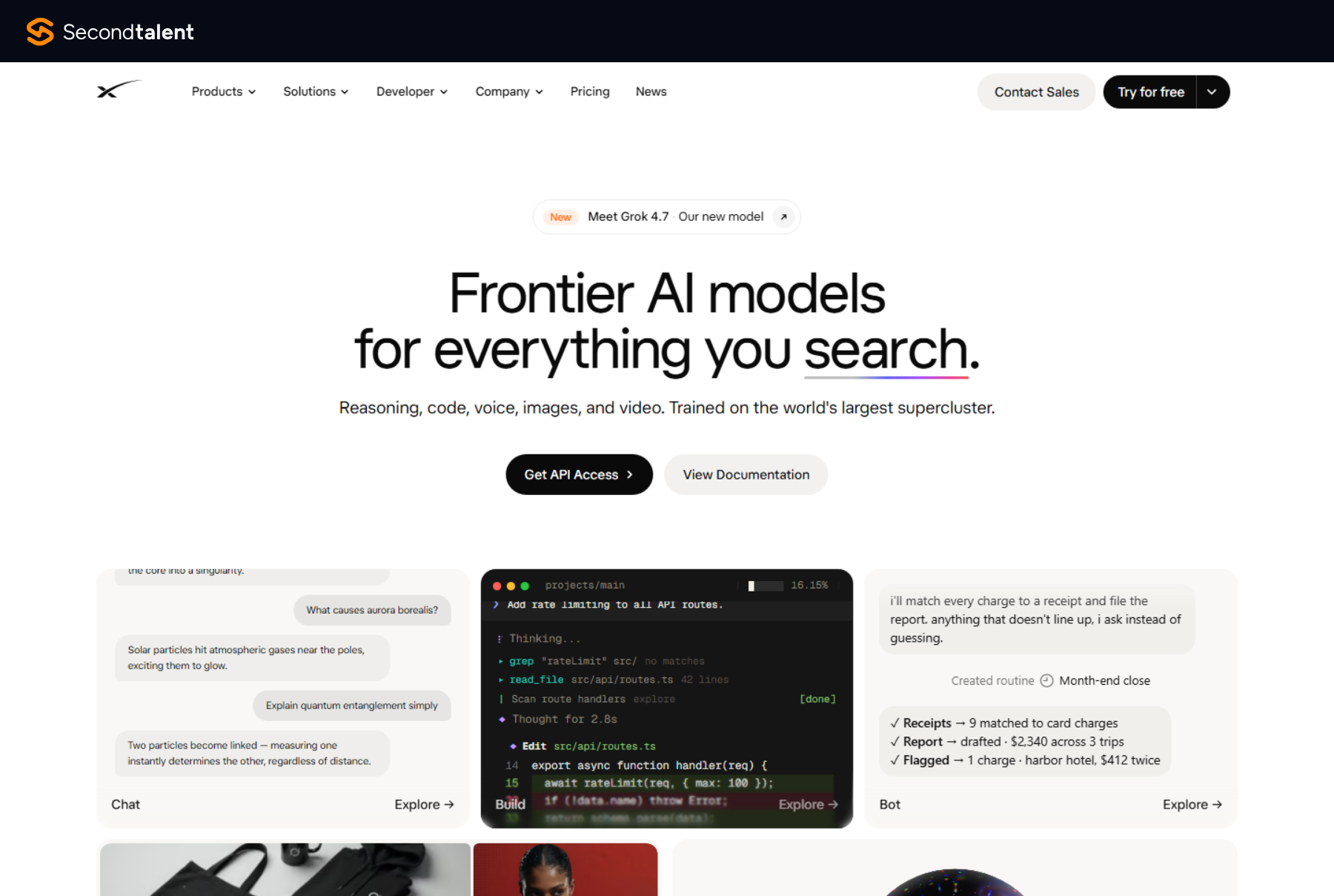
The current flagship, Grok 4.7, launched September 21 at $2 and $6 per million tokens, the lowest output price of the five flagships below.
Grok 4.7 is available in the Grok app, Cursor, the Grok Build coding agent and the API. xAI open-sourced Grok Build itself in July, but that release was code, not model weights.
- Flagship: Grok 4.7, with Grok 5 still in training on Colossus II.
- Open weights: Grok-1 under Apache 2.0, and Grok-2 and 2.5 under xAI's community licence. Grok 3 weights are still closed.
- Use it when: output token cost drives your bill, or you want Grok inside X.
6. Meta
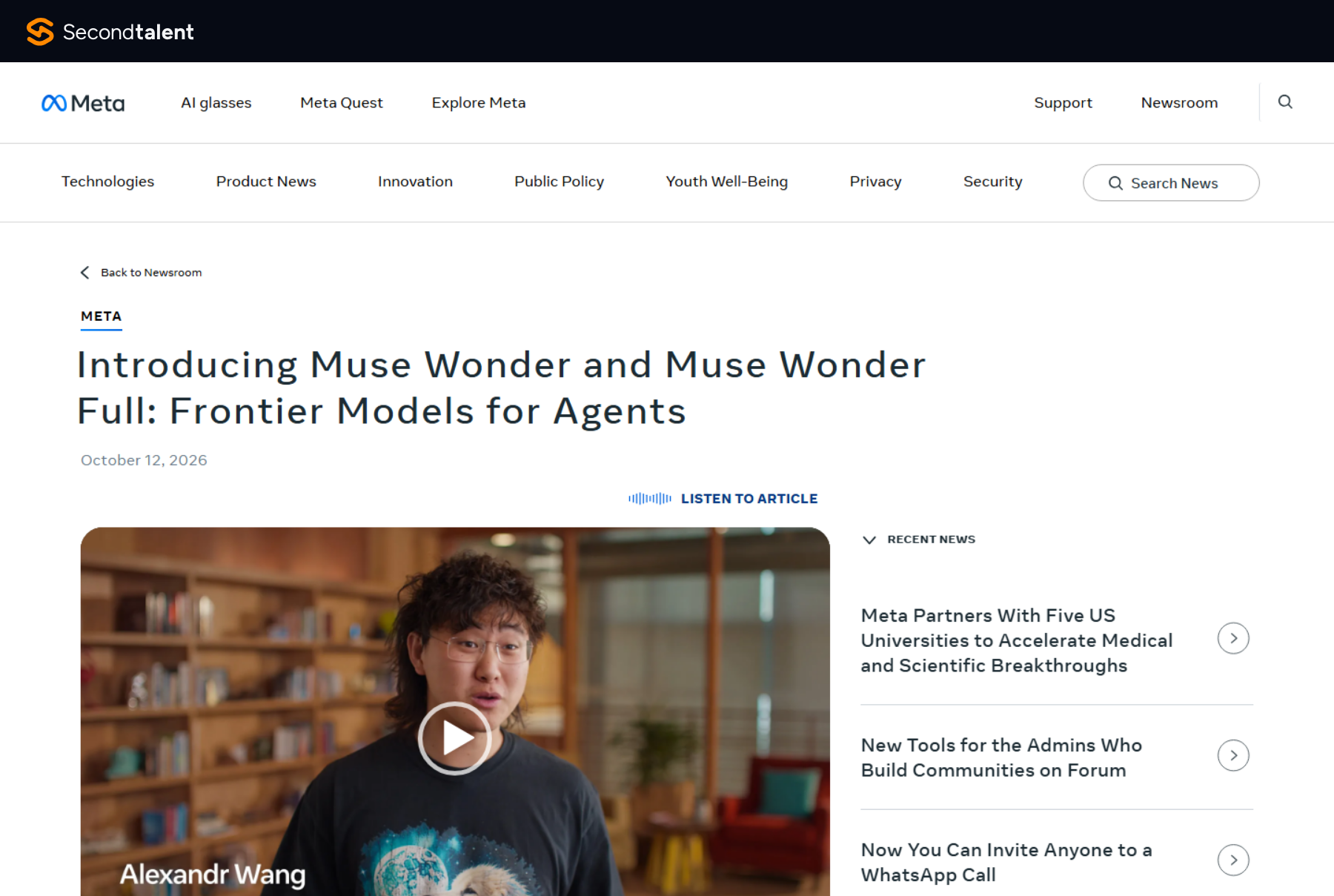
Meta Superintelligence Labs released its first model, Muse Spark, on April 8, 2026, and kept the weights closed. By October the line had grown into Muse Wonder and Muse Wonder Full, which Meta calls its most capable models yet.
Mark Zuckerberg called Muse Wonder Meta's "first frontier model" on the Q3 call.
Meta sells these models in a way no other lab here does. Wonder Full has no per-token price at all: CNBC reported it ships only inside Muse Code at $50 or $200 a month, while the Muse app costs $20 or $100.
Three days after Wonder, Meta published an open model as well.
- Released October 12, 2026
- Only in Muse Code, $50 or $200 a month
- Released October 15, 2026
- 816B parameters, 42B active, 1M-token context
Muse Spark Open comes under the Muse Model License, whose commercial terms are narrower than Apache 2.0.
The spending sits behind both lines: 2026 capex guidance of $135 billion to $145 billion, while headcount fell 15% after a cut of about 8,000 roles in May.
- Flagship: Muse Wonder on the Meta Model API; Wonder Full inside Muse Code.
- Open weights: Muse Spark Open, plus the older Llama line.
- Use it when: you build for Meta's apps, or want an open model from a frontier lab.
7. Amazon
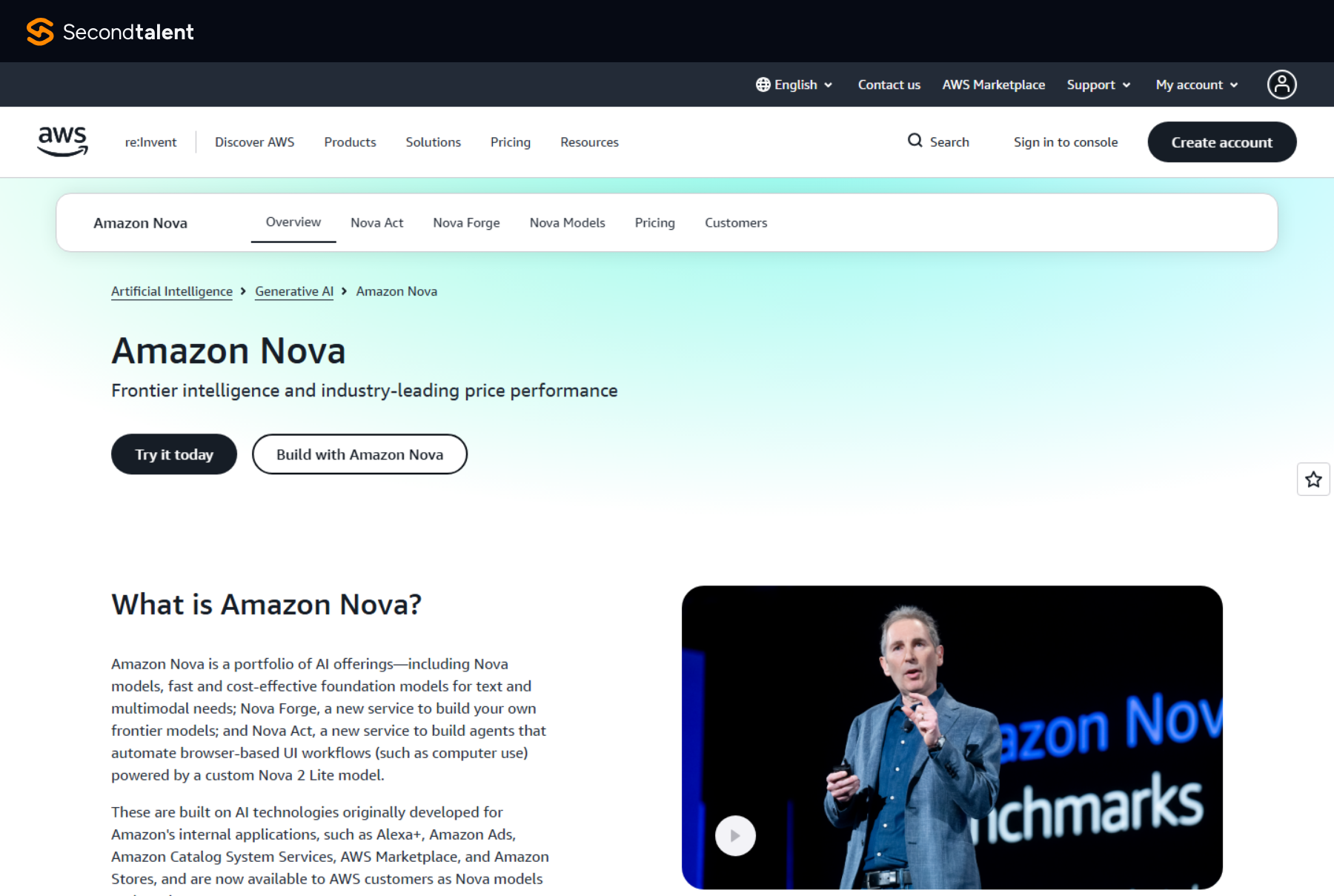
Amazon has scaled back its own model line this year. Reuters reported on July 28 that it was winding down Nova Premier, Omni, Reel and Canvas and closing its AGI Lab. The freed resources go to a single frontier-model effort.
Amazon says it is "continuing to invest in and support the Nova models our customers rely on today."
The current Amazon Nova page lists Nova 2 Lite and Nova 2 Sonic, launched at re:Invent in December 2025.
Two services sit alongside them: Nova Forge, which lets customers build their own frontier models from Nova, and Nova Act, a browser agent. Reuters' sources expect the new model at re:Invent, which opens November 30.
Amazon has not confirmed that date.
The business growing fastest is the marketplace for other companies' models. In its Q3 2026 results, AWS reported $45.98 billion in sales, up 39%.
Bedrock token volume rose nearly 17 times year over year, and Fortune 500 spending on Bedrock rose nearly 7 times. Amazon is also an investor in both OpenAI and Anthropic.
- Flagship: Nova 2 Lite and Nova 2 Sonic, with a new frontier model expected.
- Open weights: none.
- Use it when: you run on AWS and want first-party models beside Claude and GPT in Bedrock.
8. Mistral AI
Mistral is the only lab on this list that trains its flagship in its own data centres in Europe. Mistral Large 4, in API preview since October 6, has about a trillion parameters with 52 billion active.
Mistral trained it on 3,800 NVIDIA Grace Blackwell GPUs in its own facilities. The pitch targets European governments and banks that want frontier AI without a US cloud in the middle.
It is also the most open company in the ten. Mistral published Large 4's weights on October 29 under a modified MIT licence. That licence requires a commercial agreement from anyone who sells the model as a hosted service.
The proprietary layer is Le Chat, Mistral OCR 4, the Voxtral 3 speech models and enterprise deployment.
Investors priced that layer at more than €21 billion. The €3 billion Series D on September 8 had Samsung as lead investor, with EQT's Scaleup Europe Fund and PSG Equity co-leading.
Mistral's careers page lists more than 900 employees from more than 30 nationalities.
- Flagship: Mistral Large 4 in the API and Le Chat.
- Open weights: most of the lineup, including Large 4 and Small 4.
- Use it when: data residency in Europe is a hard requirement.
9. Cohere
Cohere does not compete on chatbots. It sells to enterprises and governments that need AI running on their own hardware.
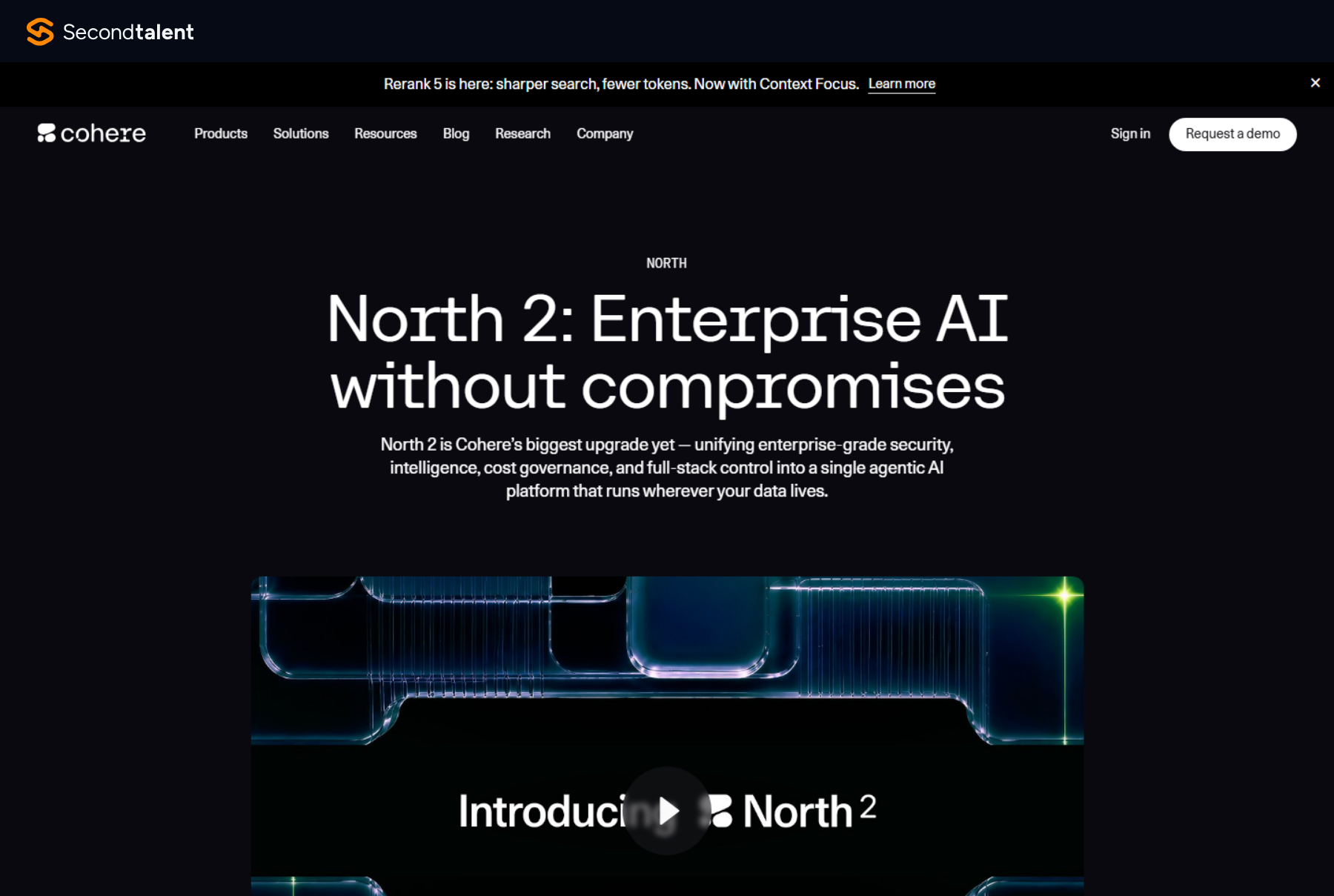
North 2, its agent platform launched on October 5, can run self-hosted, in a private cloud, on premises or fully air-gapped.
It carries SOC 2 Type 2, ISO 27001 and ISO 42001 certification, with LG CNS and Bell Cyber among the named customers.
The bigger story is the merger. On September 16, Cohere signed a definitive agreement to combine with Germany's Aleph Alpha, creating a company with headquarters in Toronto and Berlin that keeps the Cohere name.
SiliconANGLE reported a combined value of about $20 billion, with Schwarz Group committing $600 million to the Series E. Neither the merger nor the round has closed, and the last valuation Cohere closed was about $7 billion in 2025.
Revenue is smaller than the hype around it. Cohere ended 2025 at $240 million in annual recurring revenue, according to an investor memo covered by TechCrunch. Its search models, Embed 5 and Rerank 5, shipped in September and October.
- Flagship: North 2, with the Command, Embed and Rerank models underneath.
- Open weights: Command A+, released May 20, 2026 under Apache 2.0.
- Use it when: the model has to run inside your own network.
10. Palantir
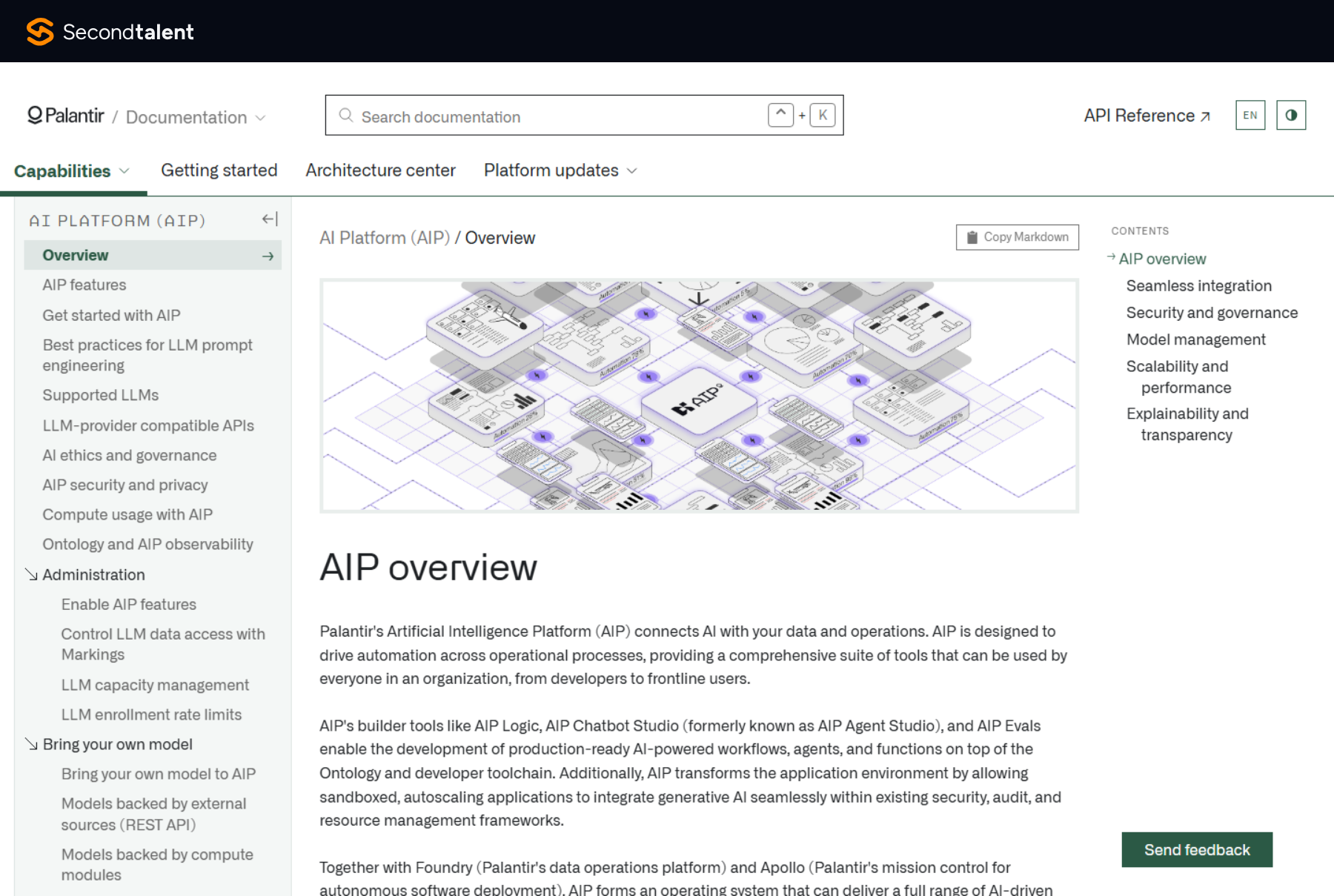
Palantir is the only company here that builds no frontier model. Its proprietary product is the AI Platform (AIP).
AIP connects models from OpenAI, Anthropic, Google and others to a customer's data through Palantir's Ontology, then runs agents and workflows on top.
Q3 2026 was the first quarter in Palantir's history in which US commercial revenue passed US government revenue. Alex Karp said so in the results. The company raised full-year guidance to $8.530 billion to $8.534 billion.
It expects US commercial revenue of at least $3.559 billion, growth of at least 143%.
The delivery model is people as much as software. About 72 of the roughly 300 openings on Palantir's Lever board on November 4 were forward deployed roles: engineers who sit with customers and build on AIP.
We cover where companies find them in our guide to FDE hiring platforms.
- Flagship: AIP, on top of Foundry and Apollo.
- Open weights: none. Palantir brings in other labs' models rather than training its own.
- Use it when: the hard part is connecting models to messy operational data, not picking the model.
Building on proprietary AI with a smaller budget
The ten above pay frontier salaries for frontier research. Most companies building on their models need engineers who can wire GPT, Claude or Gemini into a product, and those engineers do not have to sit in San Francisco.
Second Talent places vetted machine learning engineers and forward deployed engineers from Asia, with a shortlist in 24 hours. Our guide on how to hire AI engineers covers the screening, and you can tell us the role to start.
FAQ
What counts as proprietary AI?
A model or AI platform whose weights and code the company keeps private and sells through its own apps or API. Most labs here also release smaller open-weight models, so "proprietary" describes the flagship, not the whole company.
Why are no Chinese companies on the list?
China's leading labs mostly ship open weights, which takes them outside a proprietary list. We rank them separately in the top 10 Chinese AI companies and compare them with US labs in US vs China AI models.
How was the list ordered?
By the reach of each company's own models and products in 2026: model quality, distribution and revenue. Each figure comes from a company filing, launch page or named outlet, read on November 4, 2026.
For where AI funding is flowing more broadly, see our AI startup funding report.