TL;DR: The five Chinese AI models US companies use most are DeepSeek, Qwen, Kimi, GLM and MiniMax. By mid-July 2026, Chinese models handled a record 58% of the tokens American firms processed on OpenRouter. DeepSeek leads on usage volume, Qwen on self-hosted downloads, and Kimi on named US company deployments.
Cursor launched its Composer 2 coding model in March 2026 without saying what it was built on. Within days, a developer found the model ID in Cursor's API traffic: kimi-k2p5-rl-0317-s515-fast, a tuned version of Moonshot's Kimi K2.5.
That is what most US adoption of Chinese AI looks like: inside a US product, served by a US host, and invisible to the person using it.
Quick comparison
| Rank | Model family (lab) | Strongest US adoption signal | Output price per 1M tokens* | Open-weight licence |
|---|---|---|---|---|
| 1 | DeepSeek (DeepSeek) | 35.1% of tokens on OpenRouter's top 20 | $0.60 (V4.1 Flash) | MIT |
| 2 | Qwen (Alibaba) | 151,448 derivative models; Airbnb | $6.00 (Qwen3.8-Max) | Apache 2.0 on smaller models |
| 3 | Kimi (Moonshot AI) | Cursor, DoorDash, Coinbase | $13.50 (K3) | Custom |
| 4 | GLM (Z.ai) | OpenRouter's #2 model; Coinbase | $4.80 (GLM-5.3) | Custom |
| 5 | MiniMax (MiniMax) | Amazon Bedrock; individual US developers | $1.20 (M3) | Custom |
- 1Amazon added models from all five labs to Bedrock in a single update on February 10, 2026.
- 2Two House committee chairs wrote to Airbnb and Cursor's parent on April 29, 2026 about their use of Chinese models.
- 3Kimi K3's output price is higher than Claude Sonnet 5.5's, so "Chinese" no longer means "cheapest".
- 4Defense contractors have been barred from using DeepSeek on Pentagon work since January 17, 2026.
1. DeepSeek
DeepSeek V4.1 Flash was the busiest model on OpenRouter in the week to October 12, 2026.
It processed 29.4% of all tokens across the platform's 20 busiest models on its own, and DeepSeek's older V4 Flash versions added almost six points more.
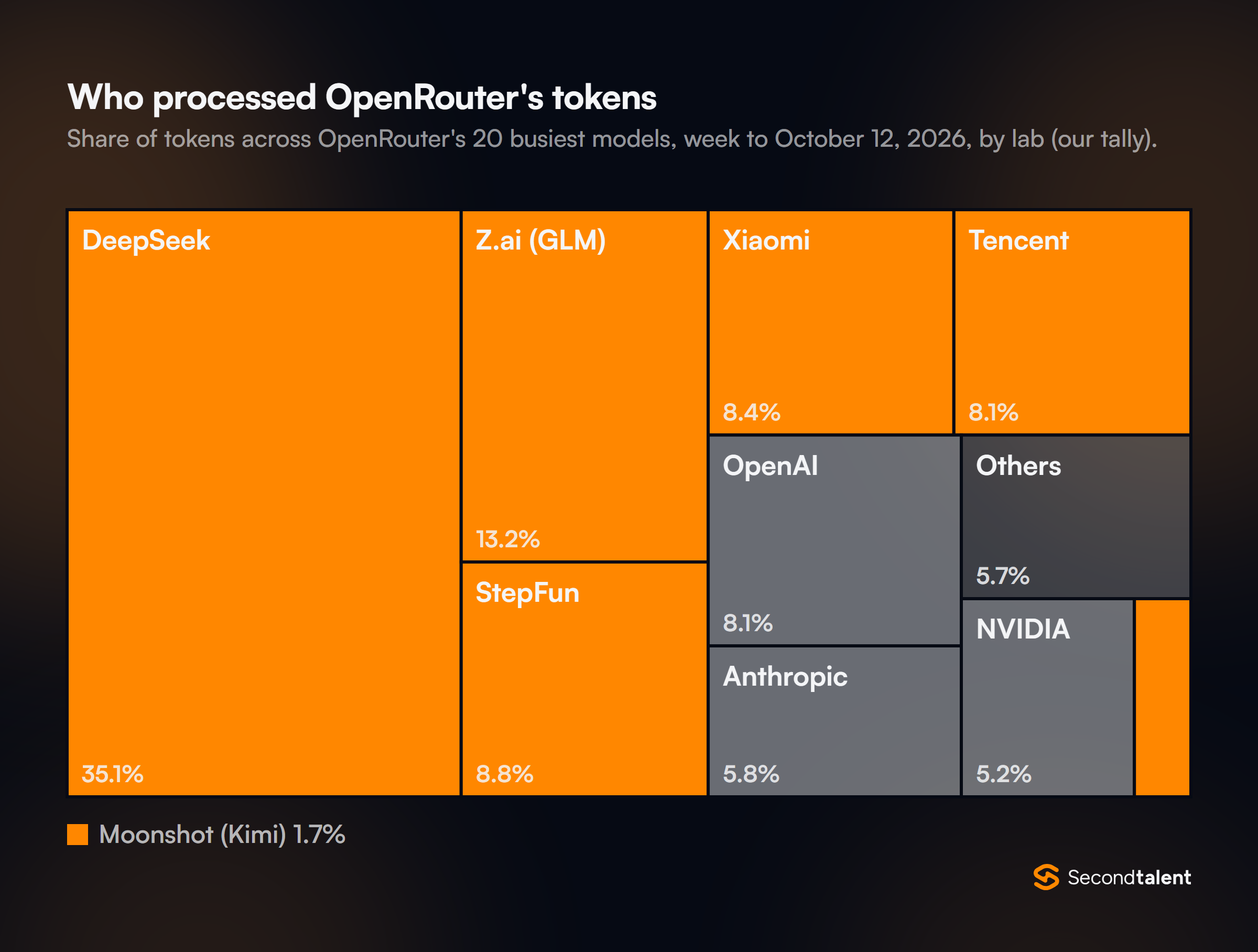
OpenRouter is global, but its US customers lean the same way. Chinese models handled a record 58% of the tokens American firms processed on the platform by mid-July, Fortune reported.
A year earlier, US models carried about 70% of all OpenRouter traffic.
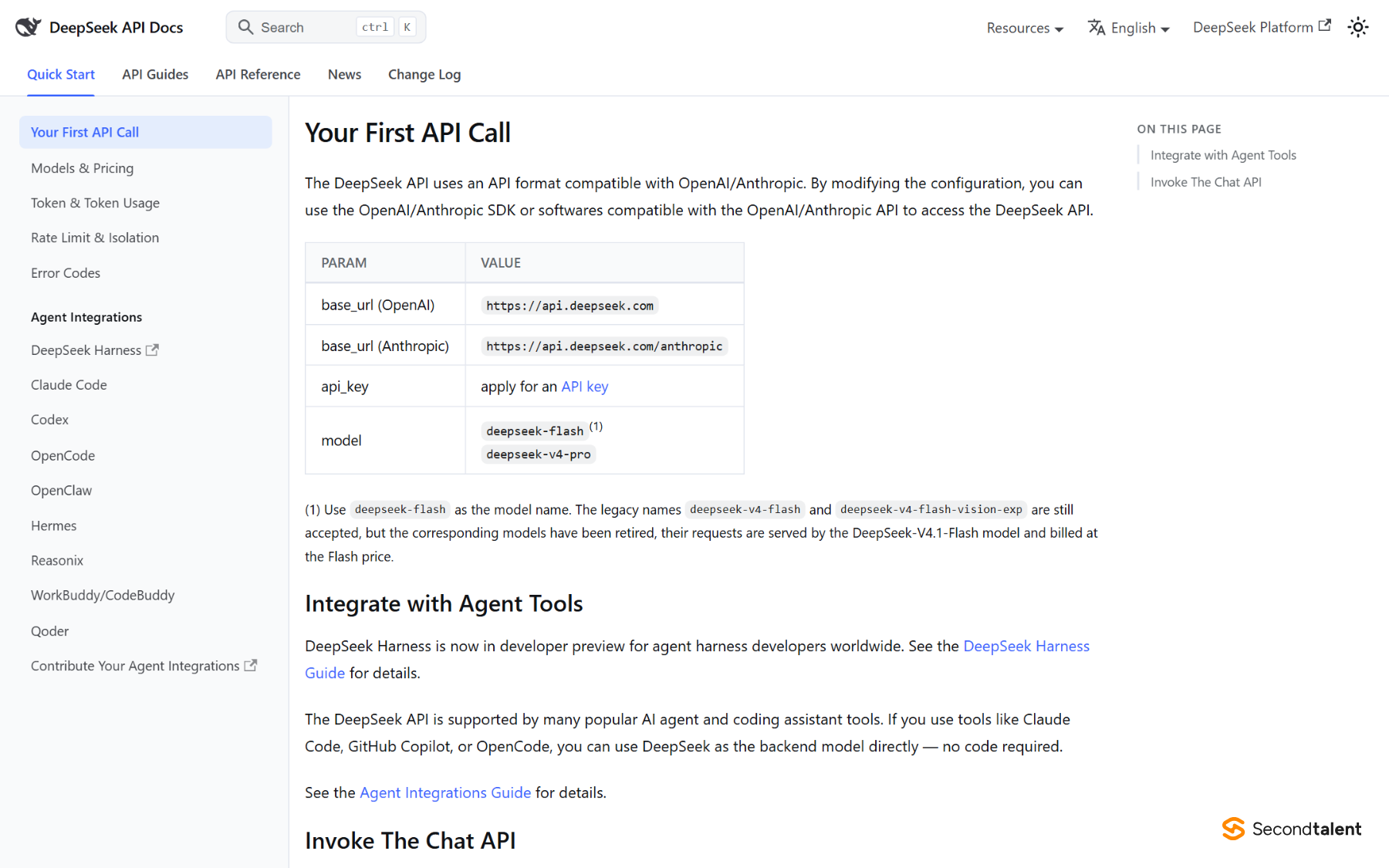
The pull is price. DeepSeek's API docs (above) accept the OpenAI and Anthropic request formats. A team can point an existing app, or Claude Code, at DeepSeek by changing one base URL. Rest of World found US teams doing just that:
- Lindy, a San Francisco AI assistant startup, moved from Anthropic models to DeepSeek and saved "millions of dollars", according to founder Flo Crivello. It reaches DeepSeek through an American provider.
- Vercel saw DeepSeek's share of token usage on its platform jump from under 1% to 17% in May, while DeepSeek's share of revenue stayed near 1%.
- Microsoft is exploring DeepSeek or another open model as a lower-cost option for Copilot Cowork, which runs on Anthropic and OpenAI models today.
DeepSeek is also the only lab here whose current flagship weights carry a plain MIT licence, which avoids the custom terms attached to the other labs' largest models. That openness has a limit in Washington.
Section 1532 of the FY2026 defense bill bars Pentagon contractors from using DeepSeek on defense work. It took effect for contractors on January 17, 2026. Our DeepSeek statistics page tracks users, prices and the other restrictions.
2. Qwen (Alibaba)
Qwen does not appear in OpenRouter's top 20 at all, yet by downloads it is the most used Chinese model family anywhere. The difference is where it runs.
Teams download Qwen's open weights and serve them on their own hardware or a cloud provider, so the usage never touches a public router.
Airbnb is the best-known case. In October 2025 its chief executive, Brian Chesky, said the company was "relying a lot" on Qwen for its customer service agent, calling it "very good" and "fast and cheap", Fortune reported.
Airbnb later said it uses "a limited number" of Chinese models, all open source and run through "approved U.S.-based service providers".
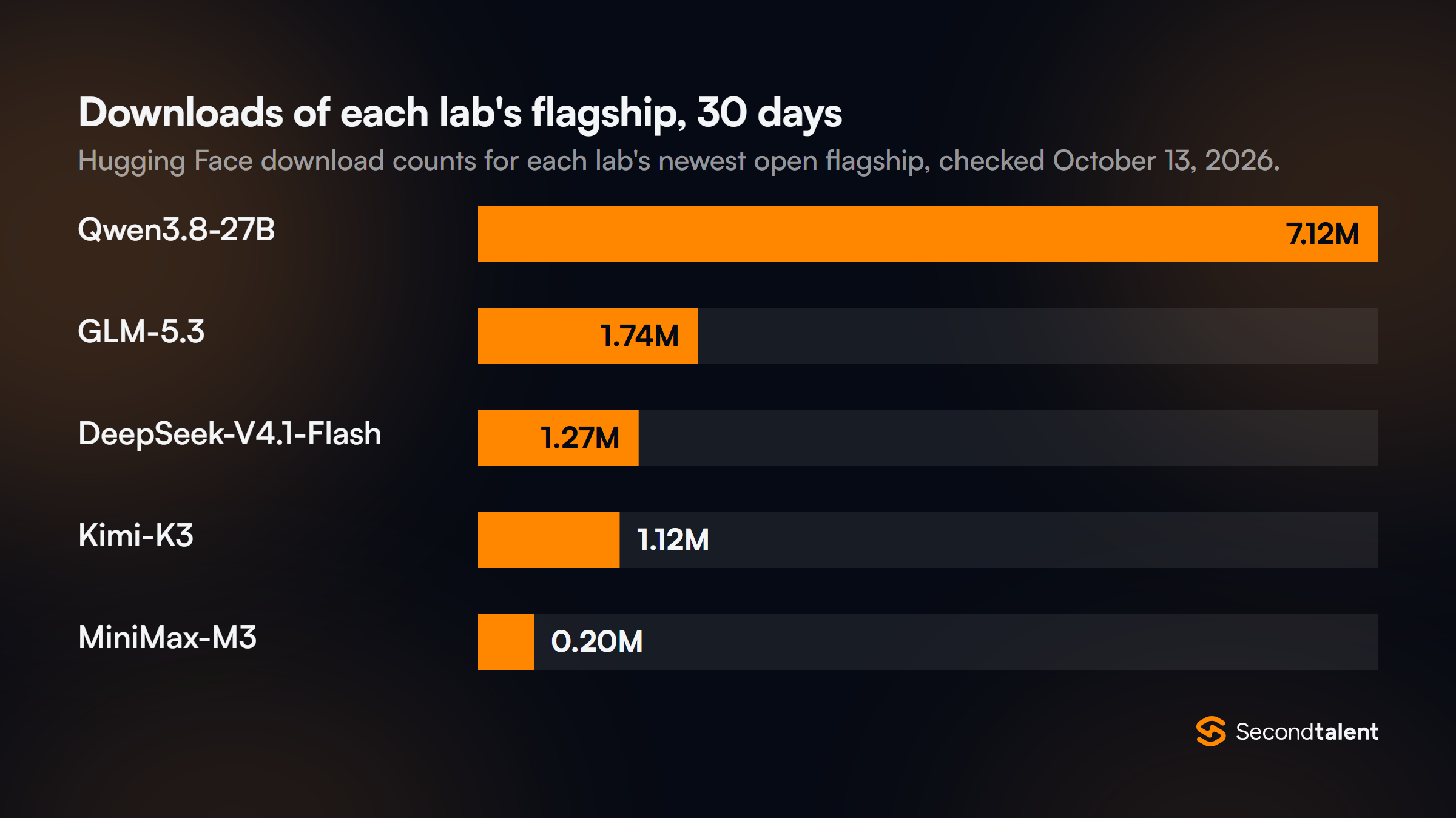
The download numbers show how far ahead Qwen is. Hugging Face's summer 2026 review counts 151,448 Qwen-based derivative models, 2.6 times Meta's total.
Qwen GGUF files, the format used to run a model on a laptop or local server, drew 39.6 million downloads a month, against 20.8 million for Google's Gemma and 7.5 million for Llama.
The ATOM report by Nathan Lambert and Florian Brand found Qwen's share of new fine-tunes rose from 1% in January 2024 to 69% by February 2026. For a US startup building its own model, Qwen is now the default starting point.
The licence depends on the size. Qwen3.8-27B ships under Apache 2.0, while Hugging Face notes that Qwen's largest 2.4-trillion-parameter release added non-commercial and revenue-share terms.
The hosted Qwen3.8-Max costs $6 per million output tokens on OpenRouter. Our review of Qwen for coding covers how it performs on real code.
3. Kimi (Moonshot AI)
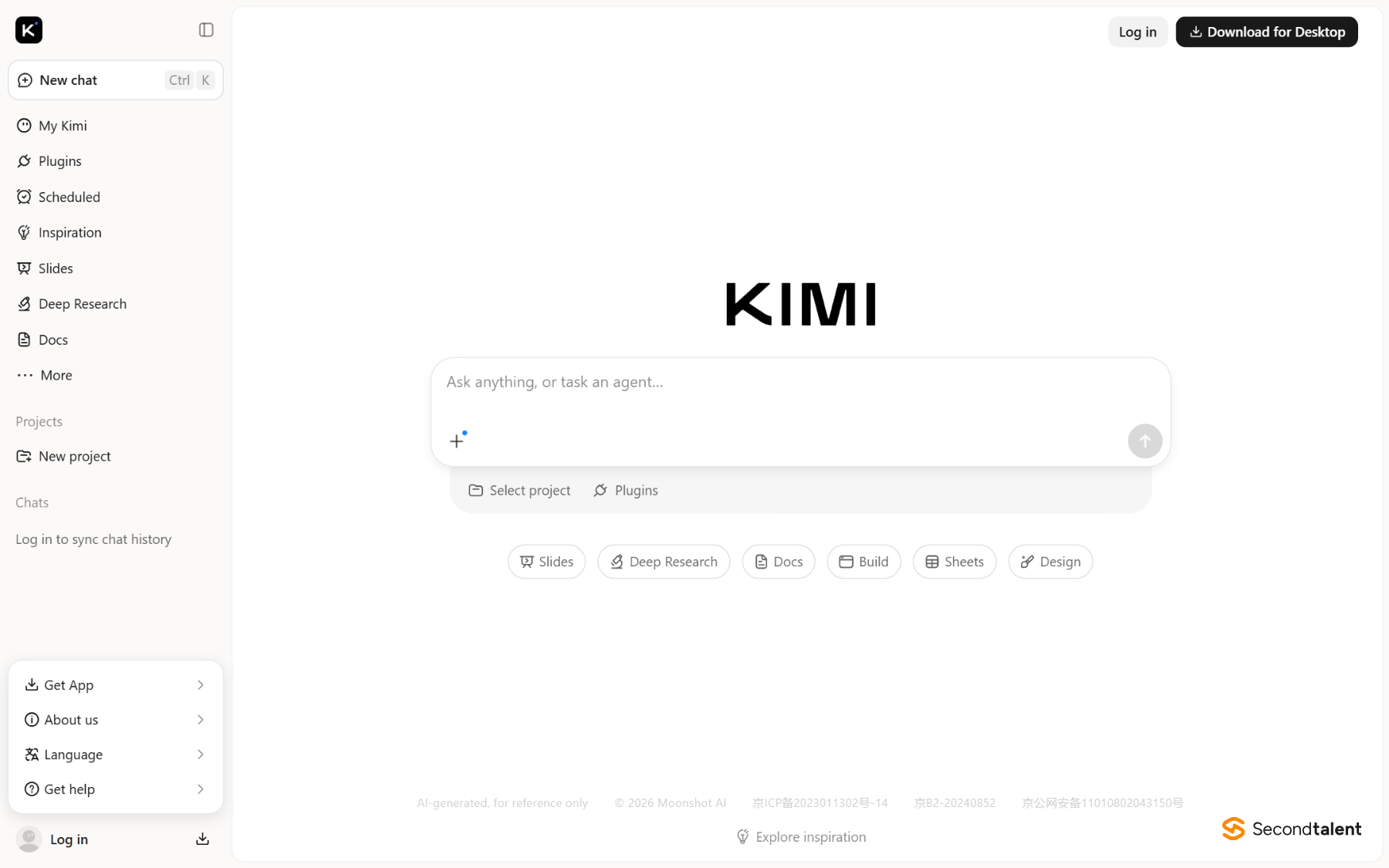
Kimi has the longest list of named US business users of any Chinese model, and most of them are engineering-led companies.
- Cursor built Composer 2 on Kimi K2.5. After a developer found the model ID, co-founder Aman Sanger acknowledged that leaving the Kimi base out of Cursor's launch post was a mistake, VentureBeat reported. Moonshot said Cursor used Kimi through an authorized commercial partnership with Fireworks AI.
- DoorDash hands "lower-level work" to Kimi, chief technology officer Andy Fang said, crediting it with "better quality [at] cheaper cost", per Fortune.
- Coinbase chief executive Brian Armstrong wrote in June that the company had cut its AI spending by half, by getting more employees to use Kimi and Z.ai's GLM models, Fortune reported.
Kimi is also the one model on this list that does not compete on price. On OpenRouter, Kimi K3's output tokens cost more than both Claude Sonnet 5.5 and GPT-6.1 Sol.
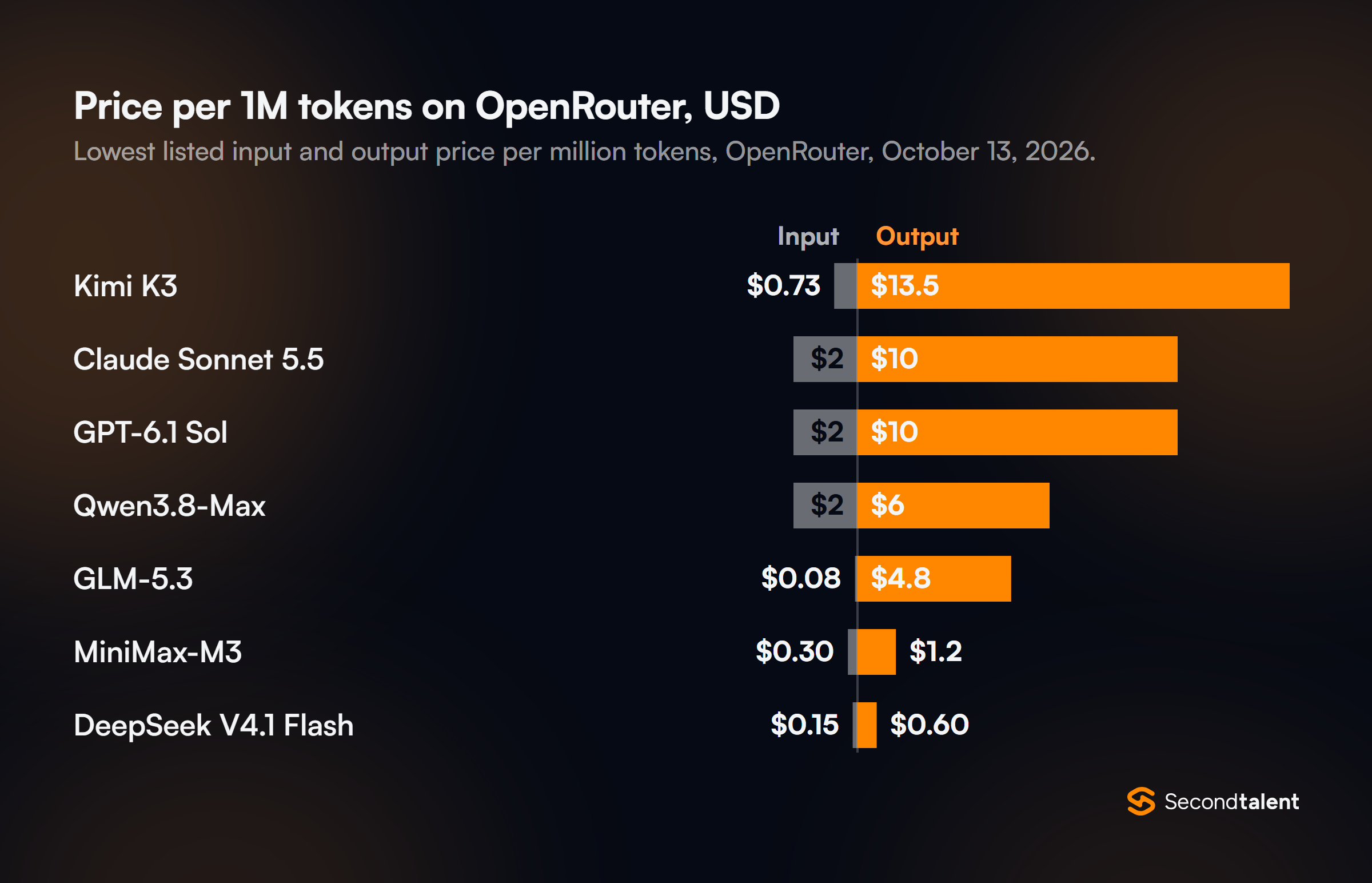
Moonshot pitches K3 as "built for agentic coding", which is the work Cursor and DoorDash describe using Kimi for. The catch is the licence.
Hugging Face's review notes that Kimi K3 began adding non-commercial restrictions and revenue-share requirements, so a company fine-tuning it, as Cursor did with K2.5, needs to read the terms before building on it.
Amazon Bedrock offers Kimi K2.5 as a managed model.
4. GLM (Z.ai)
GLM-5.3 Flash was OpenRouter's second-busiest model in the week to October 12, with 9.2% of tokens across the top 20. Counting GLM-5.3 and GLM-5.2, Z.ai's models took 13.2%, second only to DeepSeek.
Z.ai, the international brand of Beijing's Zhipu AI, sells GLM to the same developer audience as Kimi, at a lower price. Coinbase credited GLM, alongside Kimi, for halving its AI spend.
Amazon added GLM 4.7 and GLM 4.7 Flash to Bedrock in its February 10, 2026 update, which lets a US company run GLM inside its existing AWS account and contracts.
On Hugging Face, GLM-5.3 drew 1.74 million downloads in the past 30 days, more than DeepSeek's or Kimi's newest flagship. That puts GLM second to Qwen for teams that self-host.
The weights ship under a custom licence rather than MIT or Apache, so a large US company should check its terms before production use.
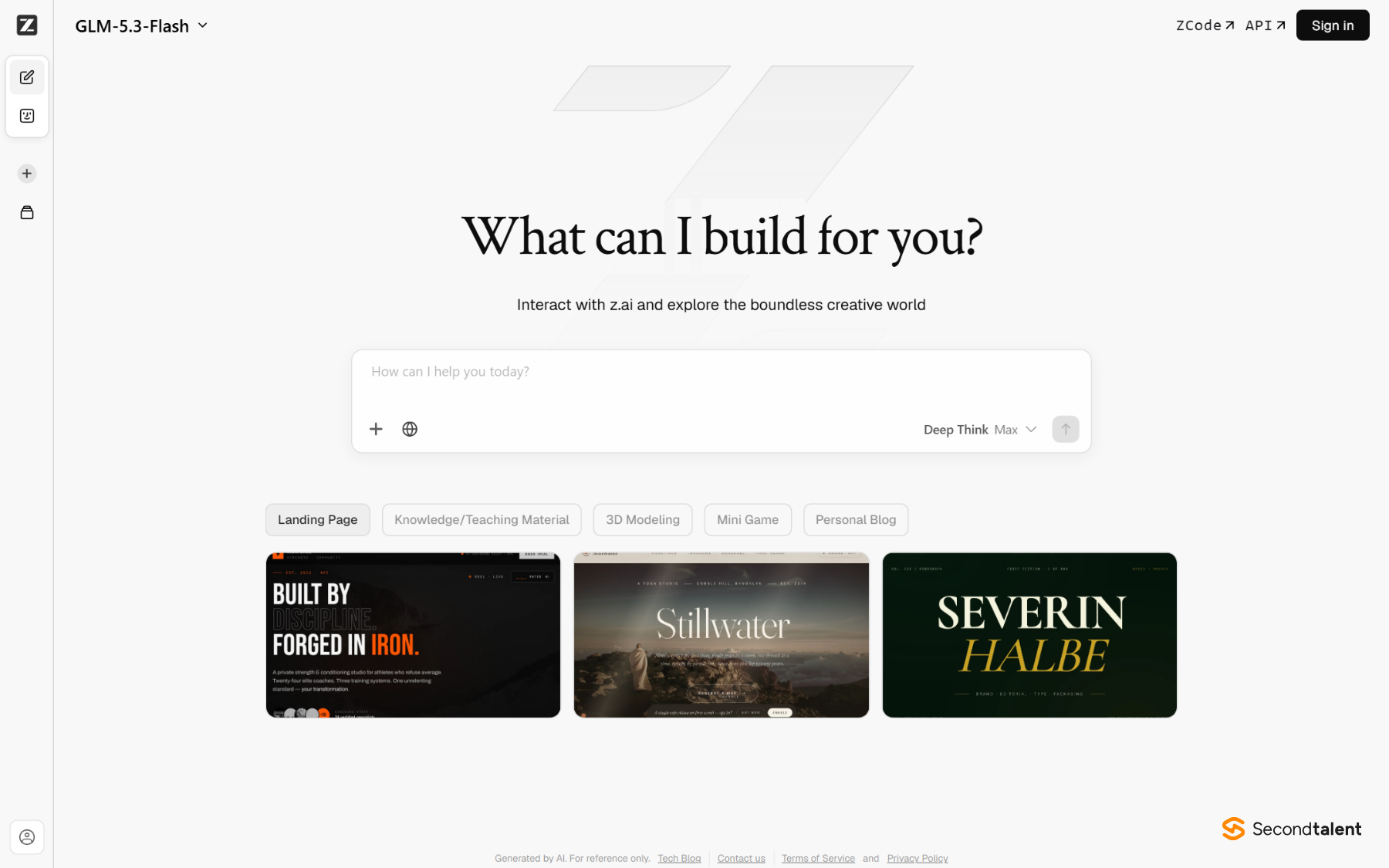
GLM-5.3 Flash is the model Z.ai's own chat app (above) runs by default, and its fast, cheap tier is where most of the OpenRouter volume sits. Our post on Chinese open-source LLMs compares GLM with the others on benchmarks.
5. MiniMax
In the US, MiniMax's users on the record are individual developers, not companies. In June, Rest of World counted it among the four most popular models on OpenRouter, with DeepSeek, Tencent and Xiaomi.
It profiled Ruben Garcia Jr., a Dallas developer who pays $200 a month for MiniMax, Kimi and Xiaomi MiMo and says they handle "90%" of his tasks.
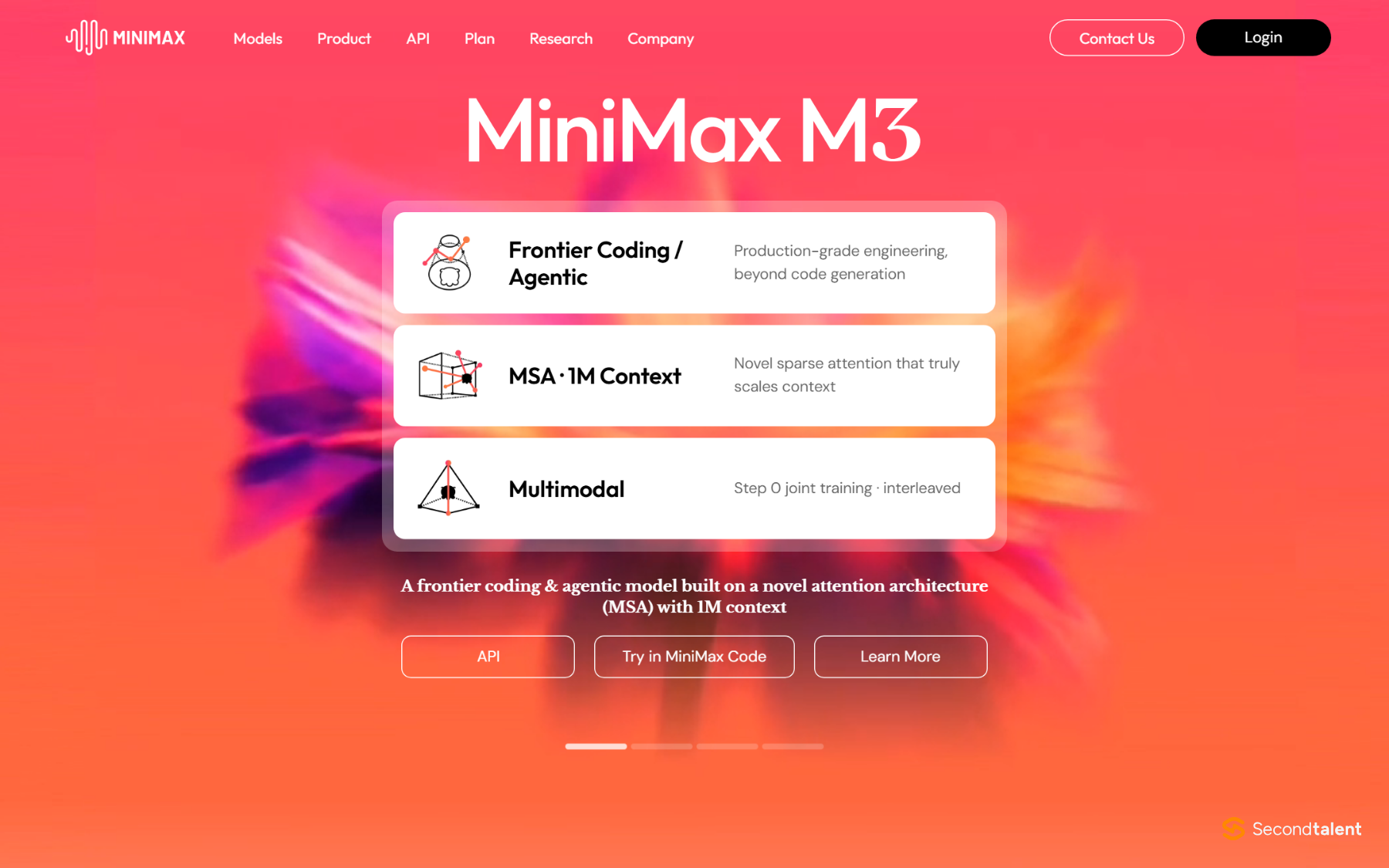
MiniMax M3 sits at the low end on price, at $1.20 per million output tokens on OpenRouter, with a 1-million-token context window. Amazon added MiniMax M2.1 to Bedrock in February, the main enterprise route into the US.
The weaker signals keep it at fifth.
MiniMax was outside OpenRouter's top 20 in the week to October 12, and MiniMax-M3 drew about 197,000 Hugging Face downloads in 30 days, under a fifth of Kimi K3's. Hugging Face found that nearly all of MiniMax's 2026 downloads were models above 70 billion parameters.
Models that size need serious GPU capacity to self-host.
Three other Chinese labs moved more OpenRouter tokens than MiniMax that week: StepFun (8.8%, with a preview model launched October 8), Xiaomi (8.4%) and Tencent (8.1%).
None has a named US company customer on the record yet, which is why they sit outside the five.
How the five compare, and the scrutiny that came with them
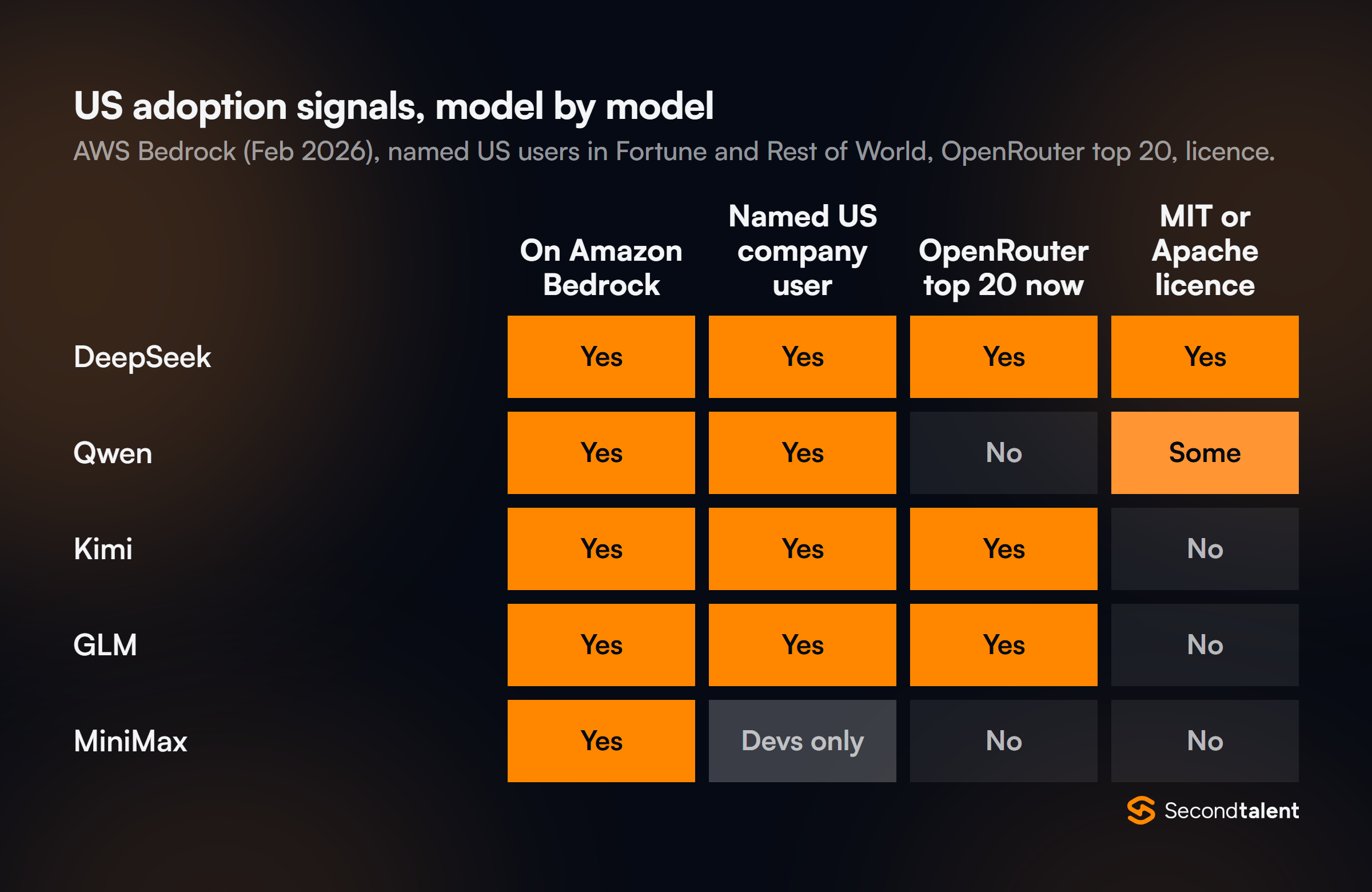
US adoption has brought scrutiny with it. All five labs sit on the Texas prohibited technologies list for state devices and networks, and Congress has started asking companies about them.
The letters from the House Homeland Security and China select committee chairs asked both companies for the "rationale behind those choices and any communications the firms have had with the model providers", Nextgov reported.
None of these rules bans the models for a private US company outside defense work. They do mean the choice may need explaining later. Document where each model runs and what data it sees.
Engineers who can run a mixed-model stack
Using Chinese models well means routing work by cost and risk. A frontier US model handles planning, a cheaper open model handles volume, and evals behind one gateway catch regressions.
Second Talent places LLM engineers from Asia who build that kind of stack, at $29 to $39 an hour, billed monthly, with a 90-day, one-time replacement guarantee. Tell us the role you need to fill.
Frequently Asked Questions
Is it legal for US companies to use Chinese AI models?
Yes, for most private companies. The restrictions we found cover defense contractors using DeepSeek on Pentagon work, and state agencies in Texas. Companies in regulated industries should still check their own compliance rules.
Does my data go to China if I use these models?
Not if a US host serves the model. Open weights run wherever you deploy them, so a call to Qwen on Amazon Bedrock or on your own servers goes to that host, not to Alibaba.
Calling a lab's own API, such as api.deepseek.com, is different, because the request goes to the lab.
Which Chinese AI model is the cheapest?
Of these five, DeepSeek V4.1 Flash, at $0.60 per million output tokens on OpenRouter. The cheapest US models have caught up: OpenAI's GPT-6 Luna lists at $0.50, so compare on your own workload before switching.
Our US vs China AI model cost comparison has the full price table.