
TL;DR: Moonshot AI ($35 billion in July 2026), PhonePe ($14.5 billion) and StepFun (about $12 billion, as reported) are the most valuable private tech startups in Asia. The 20 below span China, India, Japan, South Korea and Southeast Asia, and every one of them was still private on 24 September 2026.
Zepto sold new shares at about $4.5 billion in August 2026, ten months after raising at $7 billion, once public-market investors had signalled they would pay only $2.5 billion to $3 billion for it.
Moonshot AI went the other way: $35 billion in July, then a confidential Hong Kong IPO filing in September. Between those two sits most of Asia's startup story this year.
The 20 Startups Compared
| # | Startup | Base | What it does | Latest valuation |
|---|---|---|---|---|
| 1 | Moonshot AI | Beijing | Kimi models and assistant | $35B (Jul 2026) |
| 2 | PhonePe | Bengaluru | UPI payments | $14.5B (Oct 2025) |
| 3 | StepFun | Shanghai | Foundation models | About $12B (reported, Jun 2026) |
| 4 | Zepto | India | Quick commerce | About $4.5B (Aug 2026) |
| 5 | Rapido | Bengaluru | Bike taxis and delivery | $3B (May 2026) |
| 6 | Galbot | Beijing | Humanoid robots | $3B (Dec 2025) |
| 7 | Sakana AI | Tokyo | AI research and agents | ¥432B, about $2.7B (Nov 2025) |
| 8 | Rebellions | Seongnam | AI inference chips | KRW 3.4T (Mar 2026) |
| 9 | MoMo | Ho Chi Minh City | E-wallet | Above $2B (Dec 2021) |
| 10 | Flash Express | Bangkok | Parcel delivery | About THB 70B (Dec 2022) |
| 11 | Sarvam AI | Bengaluru | Indian-language AI | $1.5B (Jun 2026) |
| 12 | Upstage | South Korea | Enterprise LLMs | KRW 1.3T to 1.6T (pre-IPO talks, 2026) |
| 13 | Juspay | Bengaluru | Payment infrastructure | $1.2B (Jan 2026) |
| 14 | Porter | Bengaluru | Intra-city logistics | About $1.2B (Sep 2025) |
| 15 | Carousell | Singapore | Recommerce marketplace | $1.1B (Sep 2021) |
| 16 | Xendit | Jakarta | Payment gateway | Above $1B (Sep 2021) |
| 17 | VNPAY | Hanoi | QR payments | Above $1B (Jul 2021) |
| 18 | Traveloka | Jakarta | Travel booking | Not disclosed |
| 19 | Kredivo Group | Singapore and Jakarta | Consumer credit and digital banks | Not disclosed |
| 20 | Thunes | Singapore | Cross-border payments network | Not disclosed |
- 1Six of the eight Southeast Asian startups last raised a priced equity round in 2021 or 2022; the big rounds of 2026 went to AI labs, chipmakers, robots and Indian startups.
- 2Porter earned a net profit of Rs 229 crore in FY26, and Juspay, Flash Express and MoMo are profitable too, so size and losses no longer travel together.
- 3Seven of the 20 have an IPO filed, approved, paused or scheduled, from Hong Kong to Seoul, so this list will look different by mid-2027.
The 20 Tech Startups in Asia, Ranked
1. Moonshot AI (China)
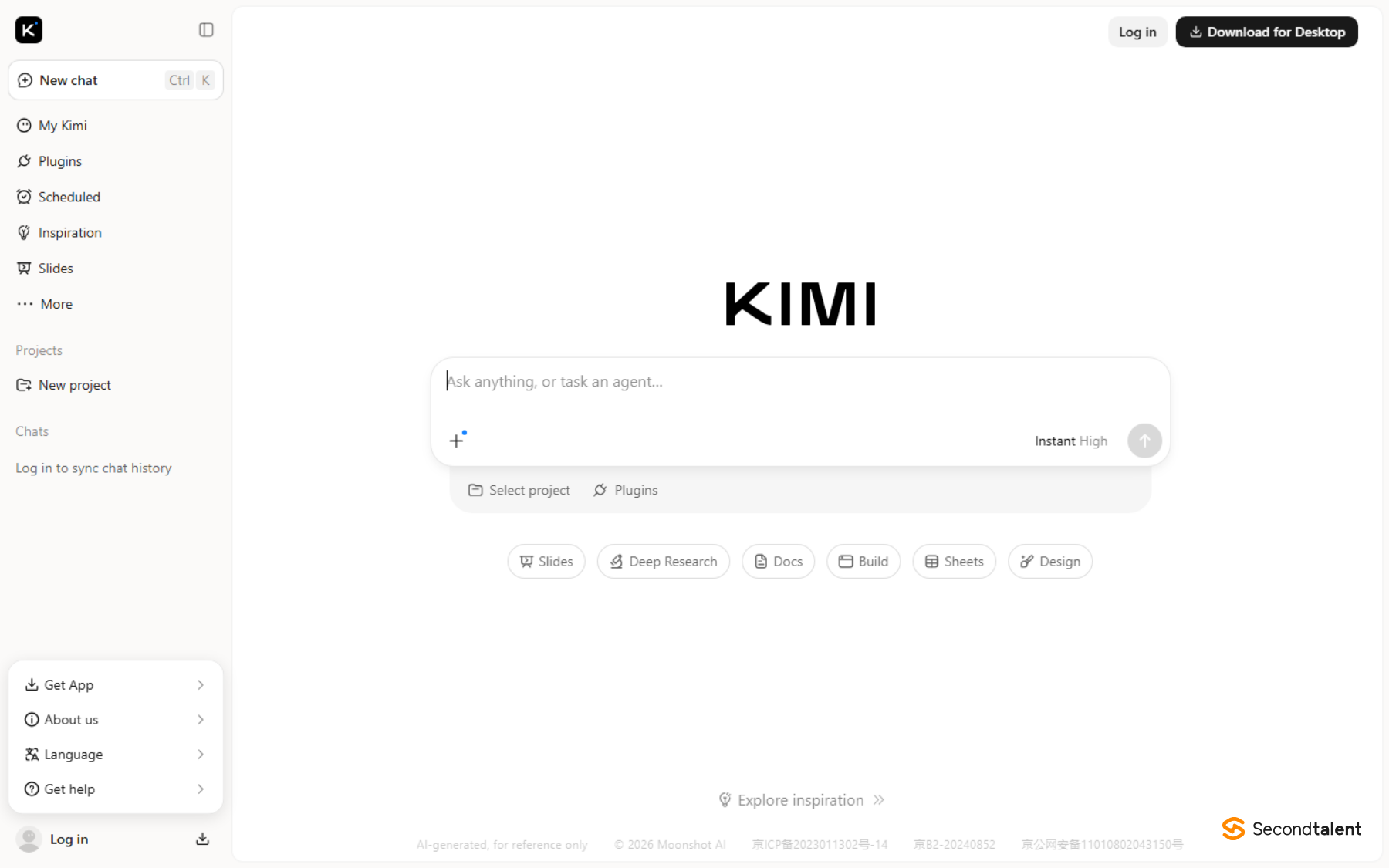
Moonshot AI builds the Kimi models and the Kimi assistant, and it is the most valuable private tech company on this list by a wide margin. Yang Zhilin founded it in Beijing in 2023.
Its July 2026 round closed at $3.5 billion, well past the $1 billion to $2 billion it first set out to raise, and the National AI Industry Investment Fund was among the leads.
Kimi K3 shipped on 16 July 2026 with 2.8 trillion parameters, native multimodal input and a 1,048,576-token context window.
Moonshot's API price list charges $3 per million input tokens, $0.30 when the input is cached and $15 per million output tokens. Our guide to every Kimi model tracks the releases before it.
The company reportedly filed confidentially for a Hong Kong IPO in early September.
It carries political risk on both sides: on 22 July the White House accused it of distilling Anthropic's models, and the US Treasury said sanctions were on the table.
In September China's internet regulator opened a data-security probe into Moonshot and DeepSeek.
- Business: the Kimi assistant and a paid model API.
- Latest money: $3.5 billion at $35 billion, July 2026.
- Watch: a pending Hong Kong listing, a US sanctions threat and a Chinese regulatory probe.
2. PhonePe (India)
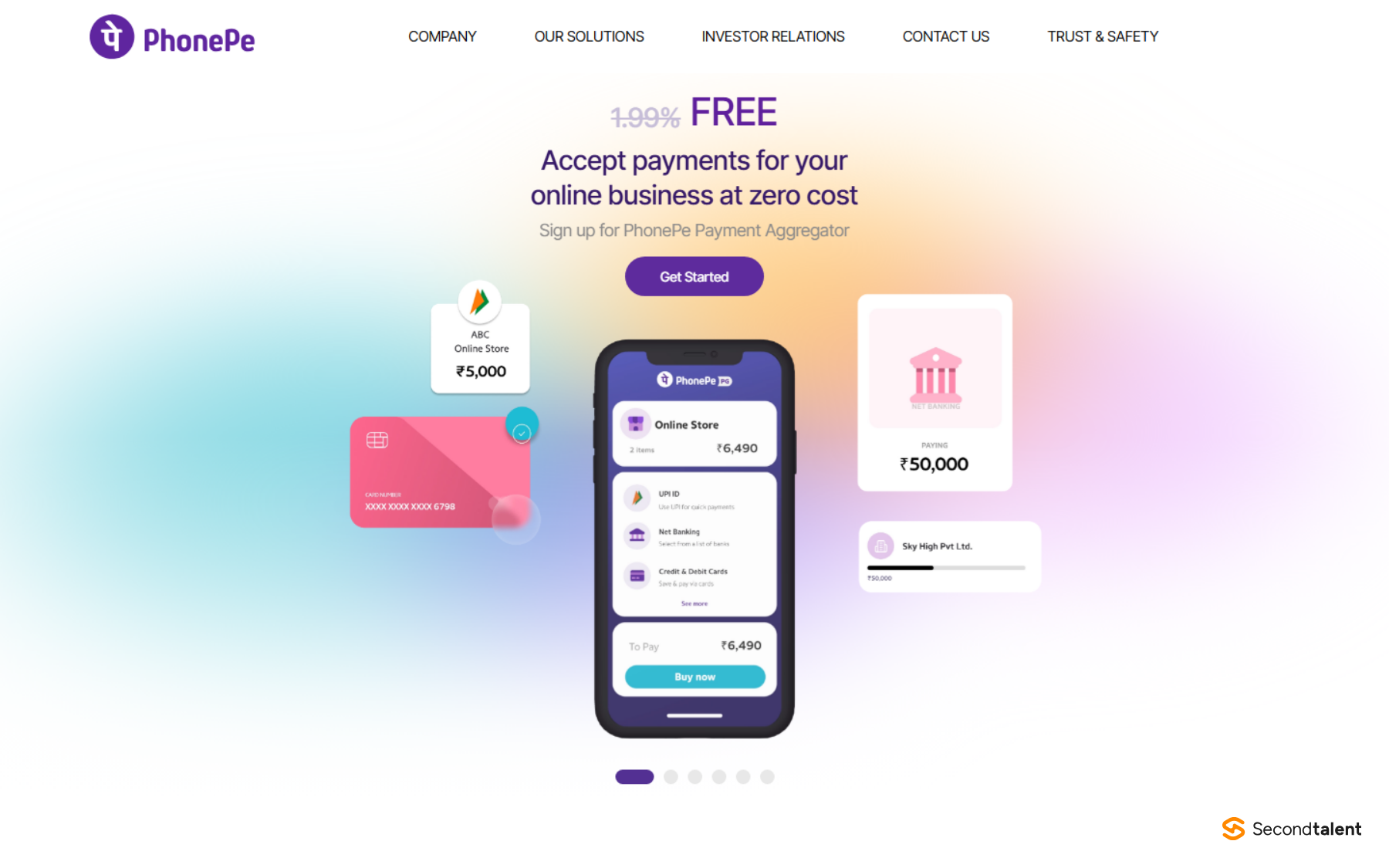
PhonePe is the app most Indians use to pay each other over UPI, the national real-time payments rail.
In August 2026 it processed 11.25 billion UPI transactions worth Rs 14.26 lakh crore, a 45.9% share of volume against Google Pay's 32.4%, according to NPCI figures compiled by Inc42.
Sameer Nigam, Rahul Chari and Burzin Engineer founded it in Bengaluru in 2015, and Walmart holds a majority stake.
Scale has not yet brought profit. FY26 operating revenue rose 11.5% to Rs 7,920 crore while the net loss widened to Rs 2,792 crore from Rs 1,727 crore.
The $14.5 billion price tag comes from General Atlantic's $600 million in October 2025, which mostly bought out employee stock rather than adding new capital.
PhonePe filed an updated IPO prospectus in January 2026 and then shelved the listing on 16 March as markets fell. Inc42 reports that it plans to refile before the end of 2026 and list in early 2027.
Its own site now sells a merchant payment gateway and Pulse, a public dashboard of its transaction data.
- Business: consumer UPI payments, a merchant payment gateway, insurance and investing.
- Latest money: $600 million from General Atlantic at $14.5 billion, October 2025.
- Watch: losses grew in FY26, and the IPO has been pulled once.
3. StepFun (China)
StepFun is the Shanghai model lab that hardware makers chose to back. Its pre-IPO round of nearly $2.5 billion, reported by Yicai in May 2026, drew phone and chip suppliers Huaqin, Longcheer, OmniVision and ZTE.
Jiang Daxin, a former Microsoft vice president, founded it in April 2023, and Megvii founder Yin Qi became chairman in January 2026.
The company unwound its offshore holding structure in April and filed confidentially in Hong Kong around 8 June, according to DigiTimes.
Chinese press reports based on unnamed sources put the valuation at about $12 billion, 2025 revenue at nearly RMB 500 million and the 2026 target at about RMB 1.2 billion. Treat those three as reported, not filed.
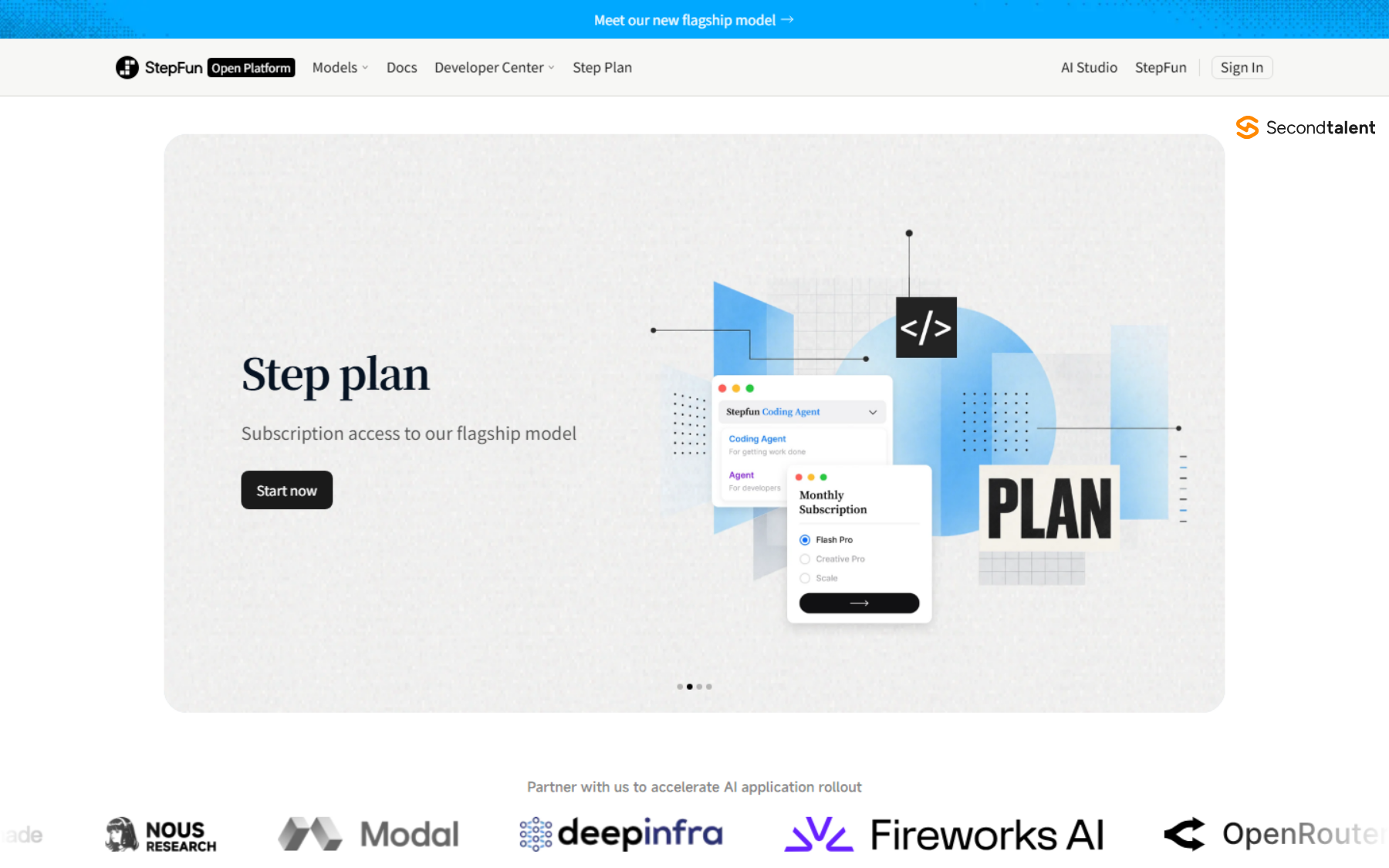
Step 5 Preview is the current flagship on its developer platform, alongside Step 3.7 Flash and the StepAudio 3 speech models.
The published price for Step 5 Preview is CNY 7 per million input tokens, CNY 0.35 on a cache hit and CNY 20 per million output tokens. We cover its peers in our list of Chinese AI startups to watch.
- Business: foundation models for text, vision and speech, sold by API and to device makers.
- Latest money: nearly $2.5 billion pre-IPO, May 2026.
- Watch: the Hong Kong filing, which would take it off this list.
4. Zepto (India)
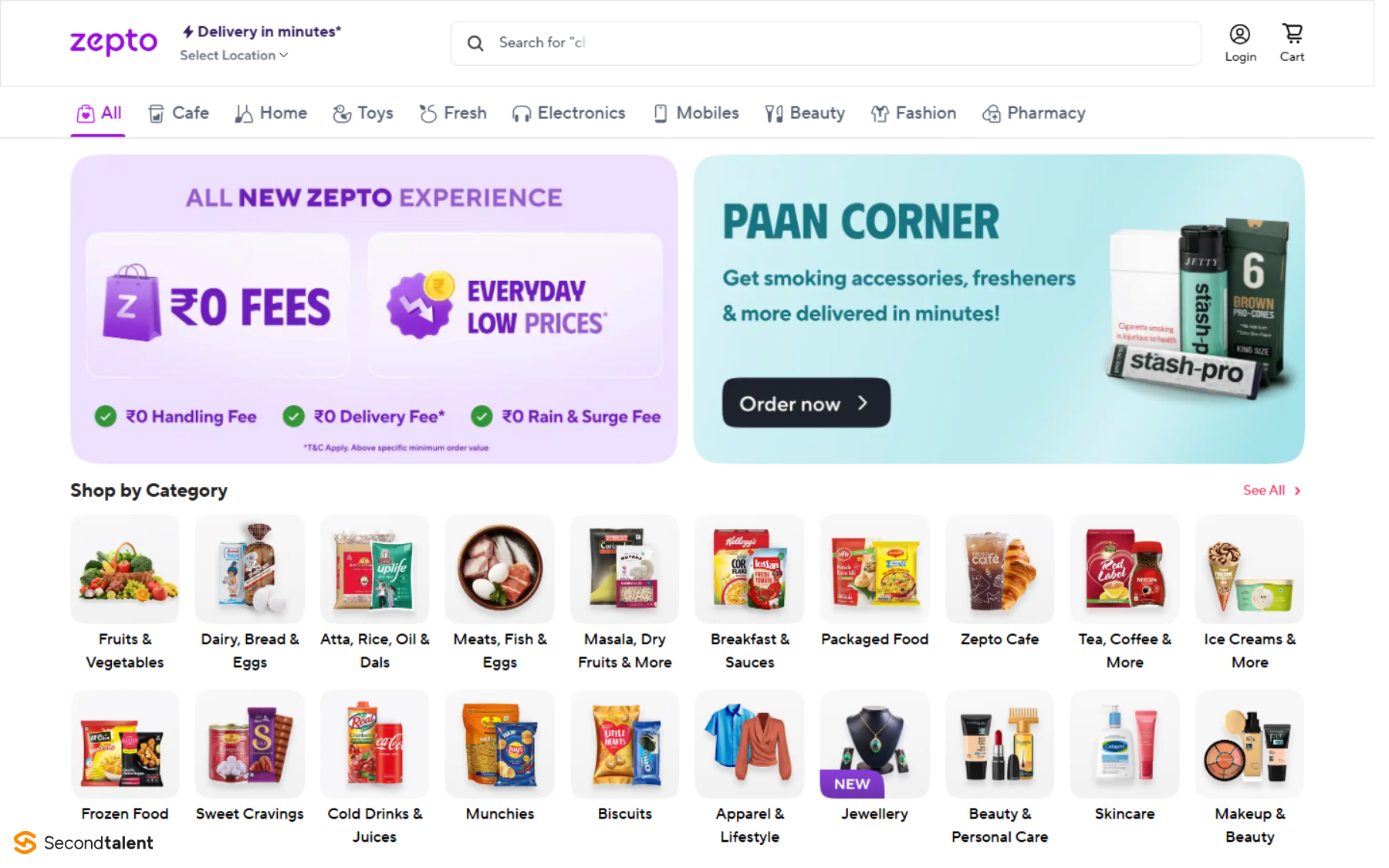
Zepto delivers groceries in about ten minutes from small warehouses called dark stores, and it doubled revenue in FY26 to Rs 22,624 crore.
The same filings show a net loss of Rs 5,905 crore, up 26%, across 1,139 dark stores handling 1.75 million orders a day.
Aadit Palicha and Kaivalya Vohra founded it in 2021, and its prospectus counted 47.97 million transacting users in the year to March 2026.
Its IPO ran further than any other on this list before it stopped. Zepto filed confidentially in December 2025, won SEBI approval in May 2026 and published its prospectus in June.
In August it delayed the listing by one to two quarters after public-market investors valued it at $2.5 billion to $3 billion, and it raised privately at about $4.5 billion instead.
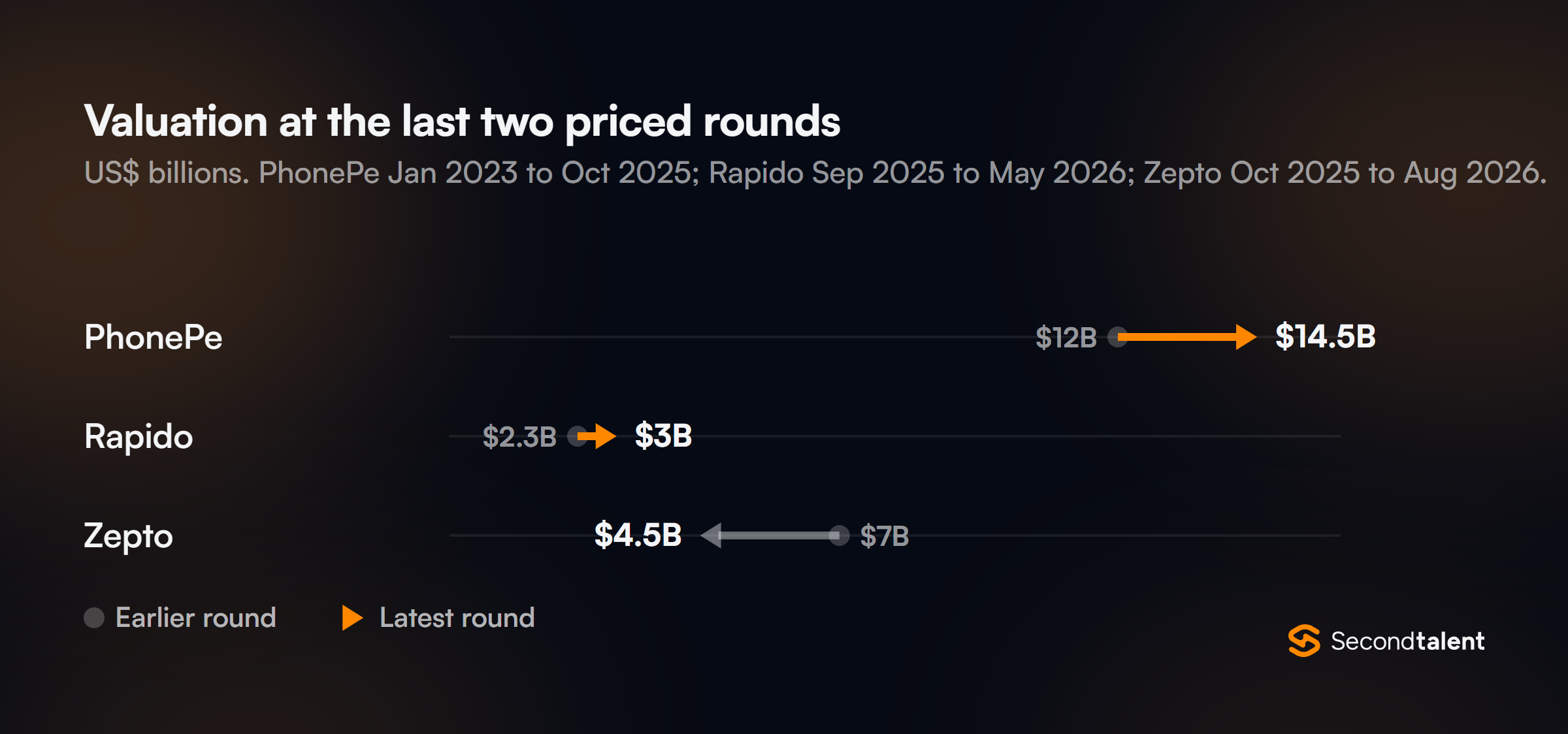
Zepto is the only company on this list with a reported down round in 2026. PhonePe and Rapido, the other Indian consumer companies with two disclosed prices, both moved up.
- Business: ten-minute grocery and household delivery in Indian cities.
- Latest money: a private placement at about $4.5 billion, August 2026, down from $7 billion.
- Watch: the delayed IPO and a loss that grew with revenue.
5. Rapido (India)
Rapido started as a bike-taxi app and now earns more from moving parcels than people.
Delivery was its biggest revenue line in FY25 at Rs 340 crore, out of Rs 934 crore in total, up from Rs 648 crore, while the net loss fell to Rs 258 crore from Rs 371 crore.
Pavan Guntupalli, Rishikesh SR and Aravind Sanka founded it in Bengaluru in 2015.
Prosus led a $240 million equity round in May 2026 at a $3 billion post-money valuation, with WestBridge and Accel, as part of $730 million in primary and secondary deals. The valuation was $2.3 billion in September 2025.
Rapido operates in more than 400 cities and launched Ownly, a food delivery app, in August 2025.
Its riders, which Rapido calls captains, get accident cover and medical benefits of up to Rs 5 lakh for themselves and their families, according to its site.
The legal ground is still moving: the Karnataka High Court lifted the state's bike-taxi ban in January 2026, and the state appealed to the Supreme Court in April.
- Business: bike taxis, autos, cabs, parcel delivery and food.
- Latest money: $240 million led by Prosus at $3 billion, May 2026.
- Watch: Karnataka's Supreme Court appeal over bike taxis.
6. Galbot (China)
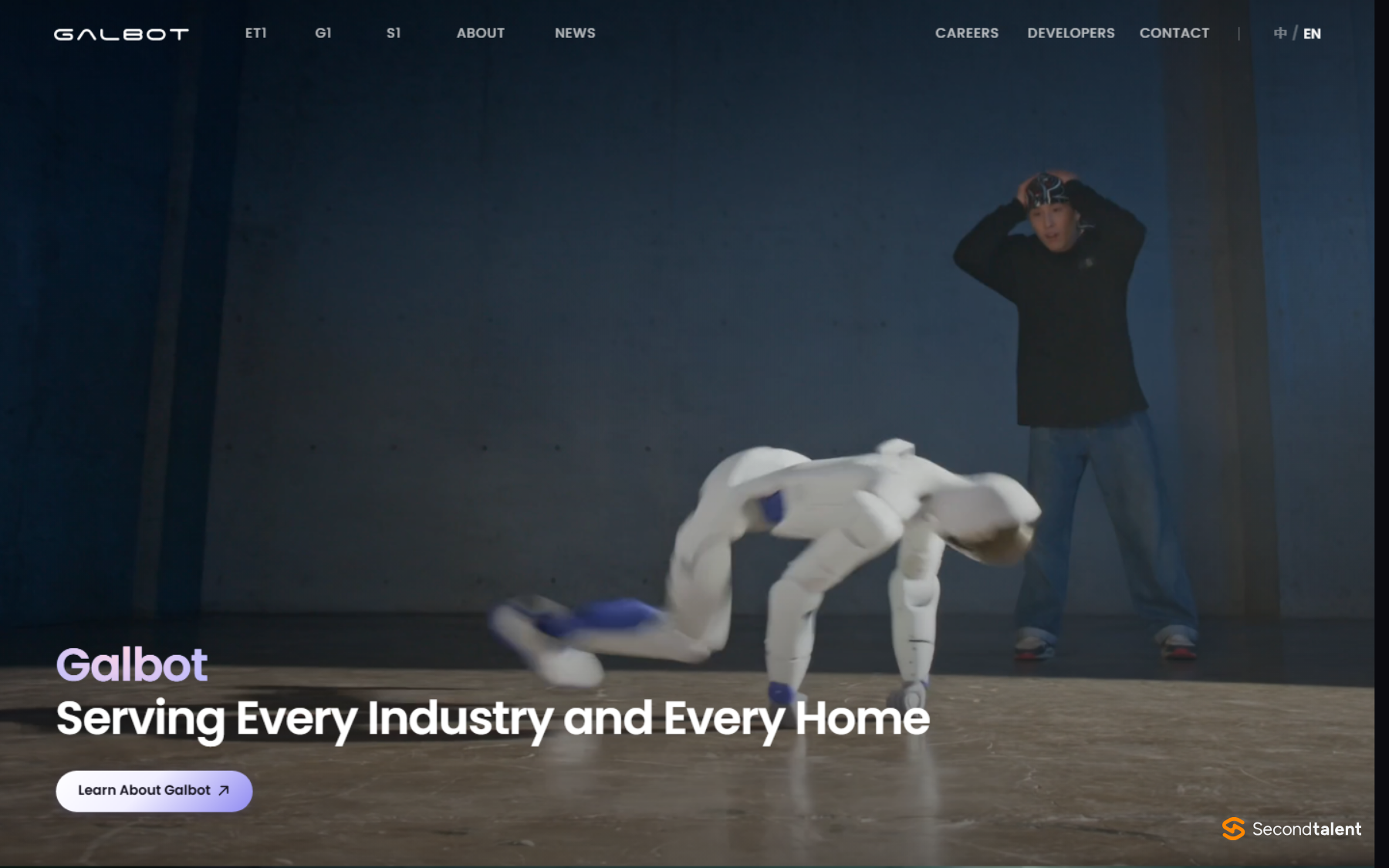
Galbot builds humanoid robots for factory and retail work, and Caixin calls it the highest-valued unlisted company in humanoid robotics.
That title opened up on 19 August 2026, when rival Unitree listed on Shanghai's STAR Market and closed its first day up about 460%. Wang He, a Peking University researcher, founded Galbot in Beijing in 2023.
Its March 2026 round of CNY 2.5 billion ($362 million) came from state-linked investors: the National AI Industry Investment Fund, a China Mobile fund, Citic, Bank of China, SAIC Motor and Sinopec.
The previous round in December 2025 set a $3 billion post-money valuation. Caixin reports that partnerships with CATL, Bosch, Toyota, Hyundai, BAIC, Zeekr and Great Wall Motor have produced thousands of orders.
Its site lists the G1, S1 and ET1 robots. Galbot is preparing for a Hong Kong listing and took pre-orders for a new model in September 2026.
- Business: humanoid robots for picking, retail and factory work.
- Latest money: CNY 2.5 billion from state-linked investors, March 2026.
- Watch: a Hong Kong IPO, and how many of the orders turn into deployed robots.
7. Sakana AI (Japan)
Sakana AI is a Tokyo research lab backed by banks as much as by venture funds. The ¥32 billion Series B, announced in November 2025 and extended in April 2026, put its post-money value at about ¥432 billion ($2.7 billion).
MUFG, Citi, Khosla Ventures, NEA, Lux, Google and In-Q-Tel are among the investors. David Ha, Llion Jones and Ren Ito founded it in Tokyo in July 2023.
The plan in that announcement is specific: more applied work in finance, and new work in defence and manufacturing. Mitsubishi Electric invested and signed a partnership in March 2026.
On the product side, Sakana released Fugu in June 2026, a system that coordinates several models behind one OpenAI-compatible API.
Marlin, its research agent, went on sale on 15 June after a beta with about 300 professionals. It writes reports of up to 100 pages over several hours.
The Pro plan costs ¥150,000 a month for 2,000 credits, and one run uses 100, VentureBeat reported, so a subscriber gets 20 reports a month.
- Business: AI research, the Fugu orchestration API and the Marlin research agent.
- Latest money: ¥32 billion Series B at about ¥432 billion, extended April 2026.
- Watch: whether finance and defence contracts grow into steady revenue.
8. Rebellions (South Korea)
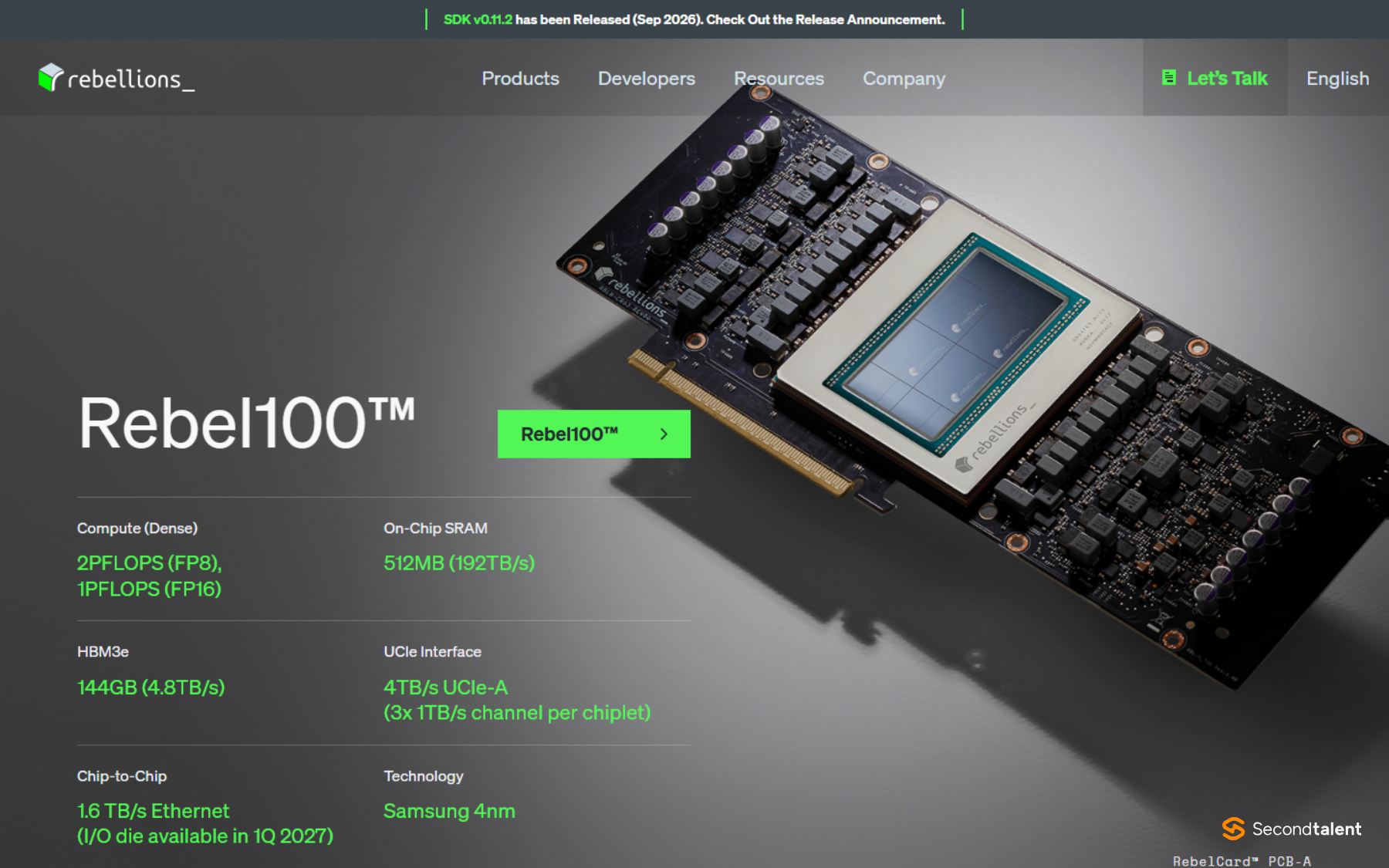
Rebellions designs chips that run AI models once they are trained, and South Korea is funding it like national infrastructure.
Its KRW 640 billion pre-IPO round in March 2026 took KRW 250 billion from the government's National Growth Fund and KRW 50 billion from the state-owned Korea Development Bank, with Mirae Asset putting in KRW 300 billion, the Korea Herald reported.
The round valued the company at KRW 3.4 trillion.
Park Sunghyun and three co-founders started it in 2020, and it merged with SK Telecom's chip unit Sapeon Korea in December 2024.
Its REBEL100 chip, made on Samsung's 4nm process, delivers 2 petaflops at FP8 with 144GB of HBM3e memory running at 4.8TB/s, according to its own specification.
The company has about 300 employees and says 2025 sales were ten times their 2023 level.
The chief executive told CNBC the company is aiming for a KOSPI listing in the first half of 2027, with J.P. Morgan and Samsung Securities as underwriters.
- Business: AI inference chips and the software to run models on them.
- Latest money: KRW 640 billion pre-IPO at KRW 3.4 trillion, March 2026.
- Watch: the KOSPI listing, now aimed at 2027.
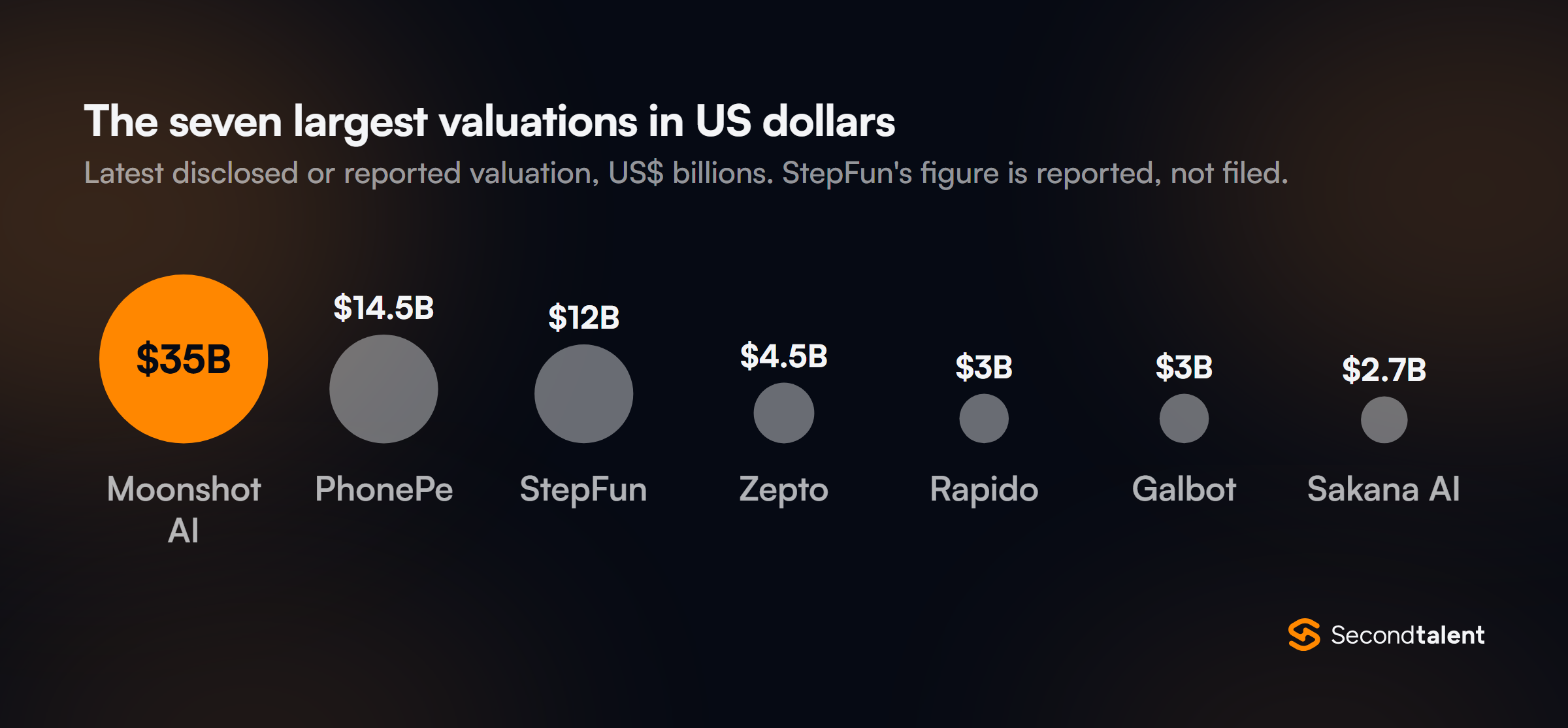
Six of the top eight raised money in 2026. Moonshot's $35 billion is more than twice PhonePe's $14.5 billion, the next valuation on the list.
9. MoMo (Vietnam)

MoMo, the Vietnamese e-wallet, has been profitable since 2024 with more than 30 million users, Reuters reported in April 2026. The same report said an IPO is not on the near-term agenda.
Instead MoMo has hired Jefferies and Morgan Stanley to bring in new investors at a valuation above $2 billion.
The company behind it, M_Service, dates from 2007, and the wallet launched in 2010. Its last priced round was a $200 million Series E in December 2021, led by Mizuho with Ward Ferry, Goodwater and Kora, which valued it above $2 billion.
That makes the 2026 talks the first real price check in almost five years.
On momo.vn the pitch has moved past payments: the app links to more than 36 partner banks, offers a buy-now-pay-later wallet, and uses an AI assistant to sort spending across MoMo and outside transactions.
Our list of tech startups in Vietnam covers the companies growing up around it.
- Business: e-wallet payments, lending partnerships and bill pay.
- Latest money: $200 million Series E led by Mizuho, December 2021.
- Watch: the new investor round, and the price it sets.
10. Flash Express (Thailand)
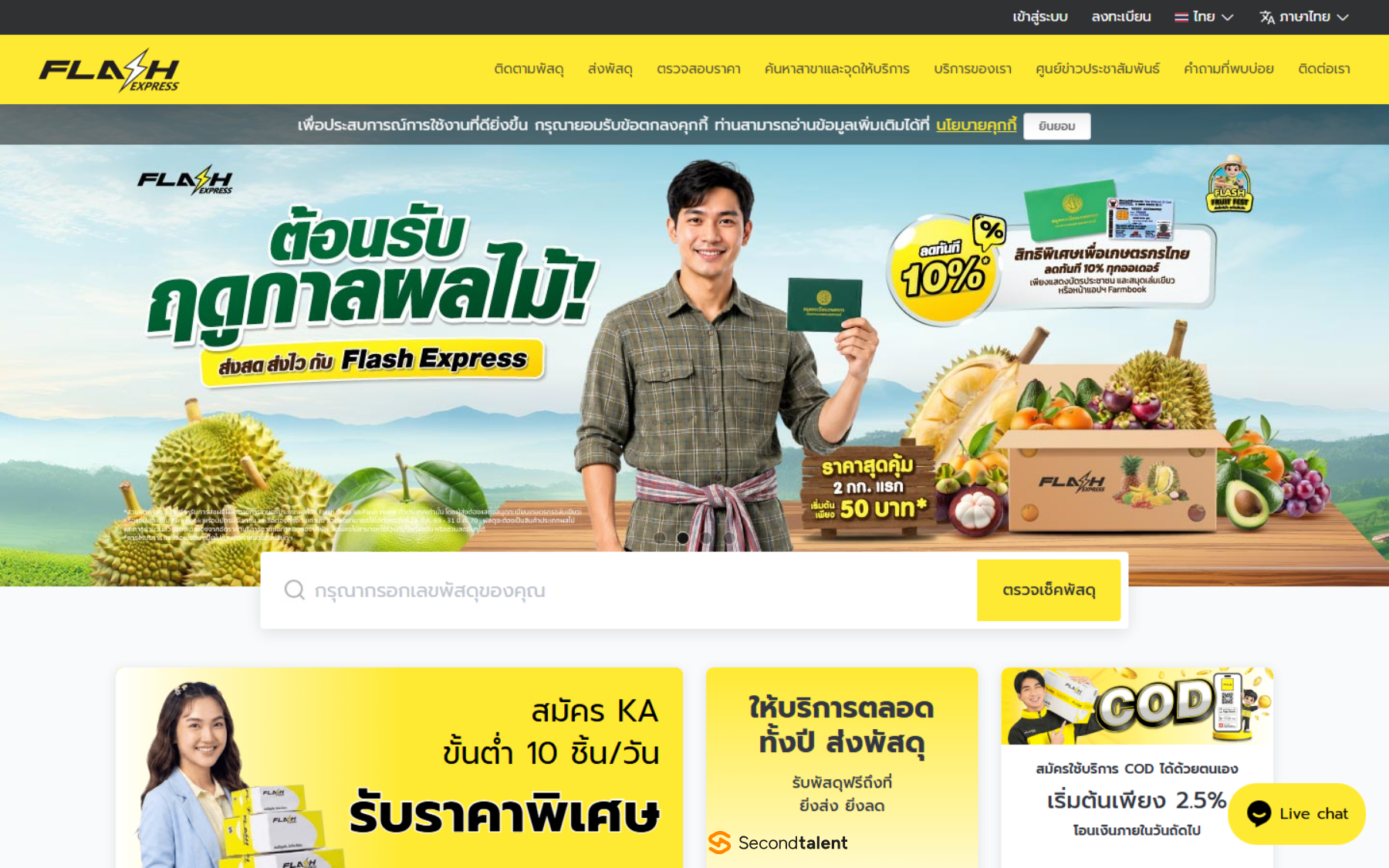
Flash Express turned a THB 559 million loss in 2023 into a THB 940 million net profit in 2024, on revenue of THB 24.7 billion, according to company filings reported by Brand Buffet.
Komsan Lee founded it in Bangkok in 2017, and The Nation ranks it Thailand's second-largest private courier.
Its last round was a THB 15 billion Series F in December 2022, which valued Flash Group at about THB 70 billion.
The profit came partly from pulling back: Flash stopped taking orders in Malaysia on 26 December 2025 and closed the business there on 31 January 2026. It still runs in Thailand and the Philippines.
Cash on delivery is the product that built it. Its Thai site advertises next-day delivery and COD collection from a 2.5% commission. The company once promised an IPO by 2026, a date that has now passed without a filing.
- Business: parcel delivery and cash-on-delivery collection for online sellers.
- Latest money: THB 15 billion Series F, December 2022.
- Watch: the missed IPO date, and whether the Malaysia exit is the last.
11. Sarvam AI (India)
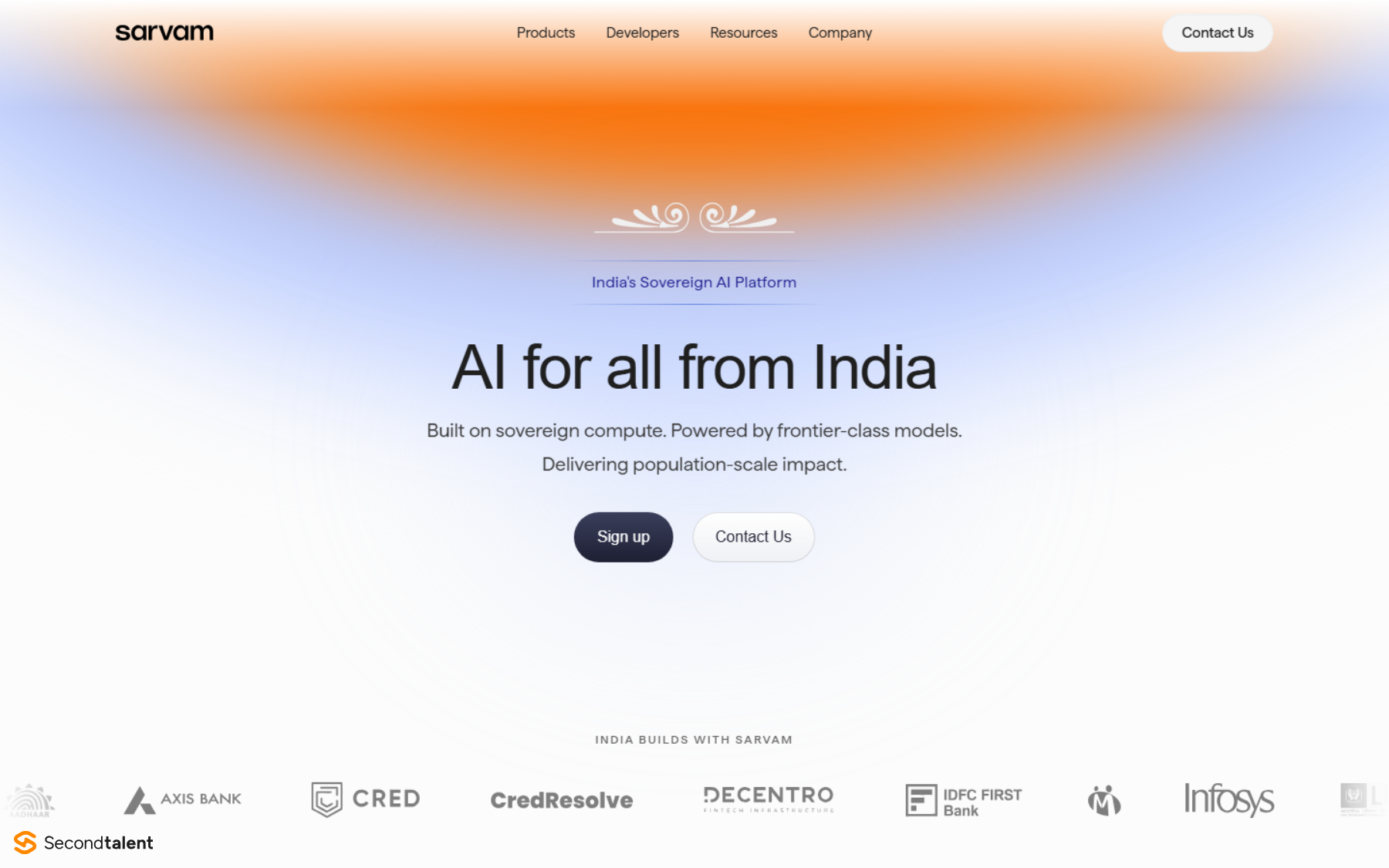
Sarvam AI builds speech and language models for Indian languages, and it became India's newest AI unicorn in June 2026.
HCLTech put in $150 million as lead strategic investor in a $234 million first close of a $300 million Series B at $1.5 billion, co-led by Bessemer with Khosla and Peak XV.
Vivek Raghavan and Pratyush Kumar, both from AI4Bharat at IIT Madras, founded it in Bengaluru in 2023.
Its Series B announcement gives the usage: more than 2 million conversations and 10 million API calls a day, 500,000 hours of audio a month and 35 million pages digitised.
The Sarvam 30B and 105B models were trained from scratch on compute from the government's IndiaAI Mission. The price list charges Rs 30 an hour for speech-to-text and Rs 3 per 1,000 characters for text-to-speech.
The benchmarks are mostly Sarvam's own, and its 2025 Sarvam-M model drew criticism for being a fine-tune of a Mistral model rather than a new one.
- Business: speech, translation and language models for Indian languages.
- Latest money: $234 million first close at $1.5 billion, June 2026.
- Watch: independent benchmarks, and revenue, which it does not disclose.
12. Upstage (South Korea)
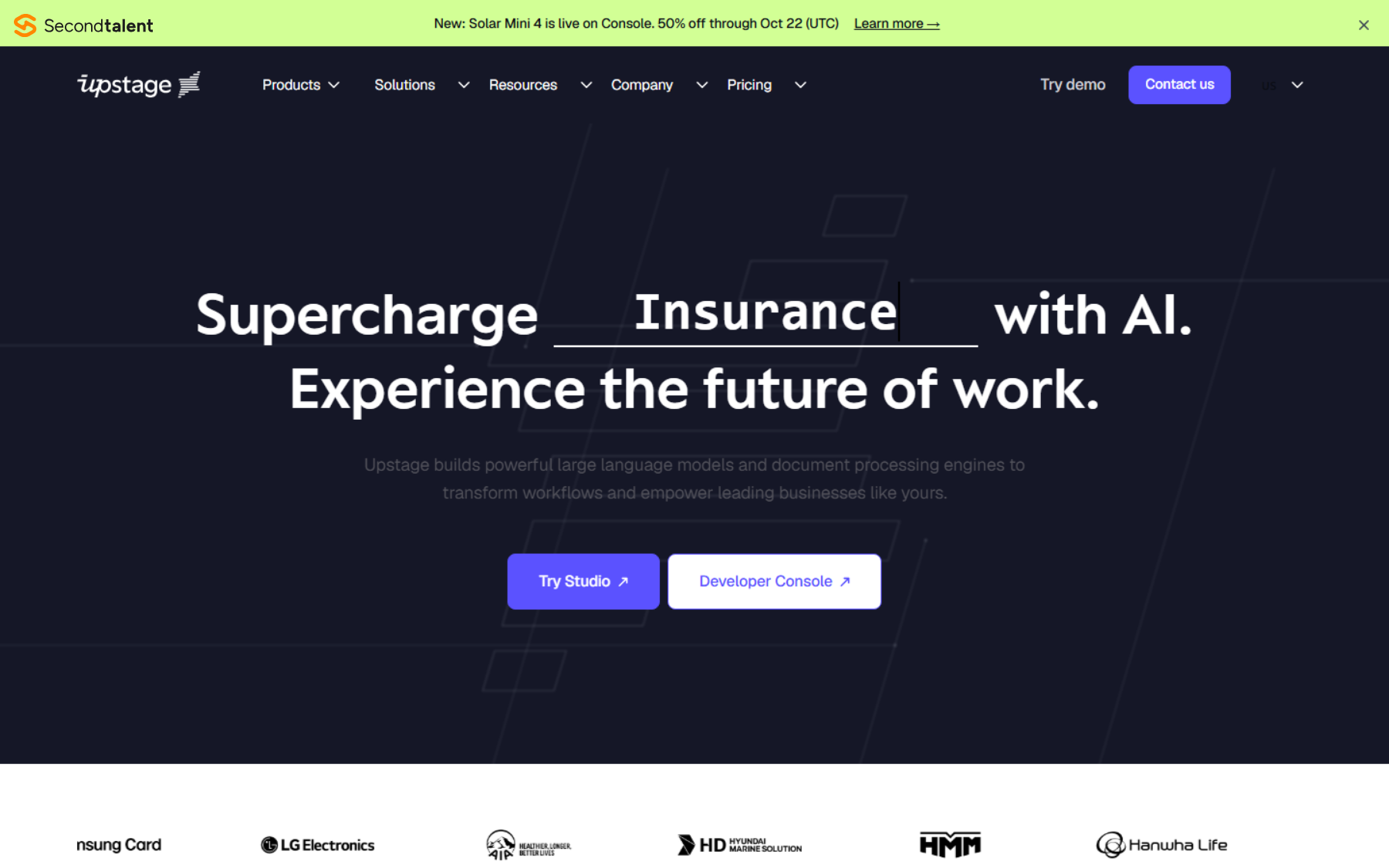
Upstage sells its Solar language models to companies, and in 2026 it bought a web portal to go with them.
It completed the purchase of AXZ, the company that runs Daum, from Kakao through a share swap on 7 May, leaving Kakao a minority shareholder.
DigitalToday reports that Daum brings about KRW 300 billion a year in revenue, against Upstage's own KRW 24.8 billion in 2025.
Sung Kim founded Upstage in October 2020.
Its Series C of KRW 560 billion brought in the National Growth Fund, the Korea Development Bank and AMD as a strategic investor, and pre-IPO talks put the valuation at KRW 1.3 trillion to 1.6 trillion.
The company plans to apply for a KOSDAQ listing review in the second half of 2026, with KB, Mirae Asset and UBS as underwriters, according to the Korea Herald.
The API price list puts Solar Pro 4 at $0.30 per million input tokens and $1.20 per million output tokens, and Document Parse, its tool for turning scanned documents into data, at $0.01 a page.
- Business: Solar models, document AI and, since May 2026, the Daum portal.
- Latest money: KRW 560 billion Series C, with AMD as a strategic investor.
- Watch: the KOSDAQ filing, and how a portal changes its story.
13. Juspay (India)
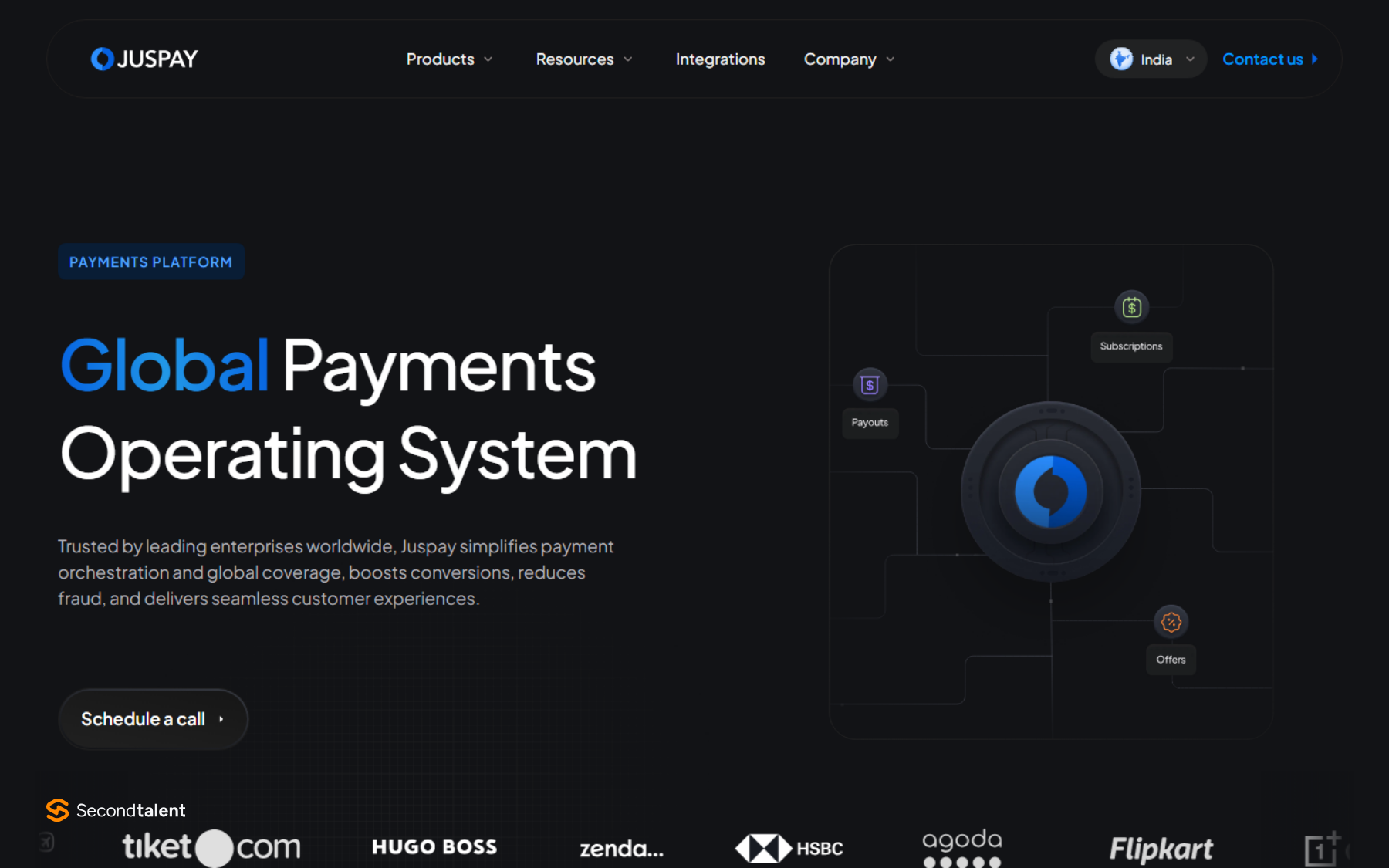
Juspay is a payments layer that shoppers do not see: it sits between a merchant's checkout and the banks, gateways and UPI apps behind it.
Its site claims more than $1 trillion in annual payment volume, over 300 million transactions a day and 99.999% uptime across more than 300 integrations in 50 countries. The company was founded in Bengaluru in 2012.
It became India's first unicorn of 2026 when WestBridge Capital invested $50 million in January at a $1.2 billion valuation, part new shares and part bought from existing holders. Kedaara had led a $60 million round nine months earlier.
Juspay is also profitable. FY25 revenue grew 61% to Rs 514 crore, and its filings show a net profit of Rs 62.3 crore after a Rs 97.5 crore loss the year before.
Its Hyperswitch payment router is open source, so a merchant can run it without a Juspay contract.
- Business: checkout, payment routing and the open-source Hyperswitch.
- Latest money: $50 million from WestBridge at $1.2 billion, January 2026.
- Watch: FY26 results, which were not public in September 2026.
14. Porter (India)
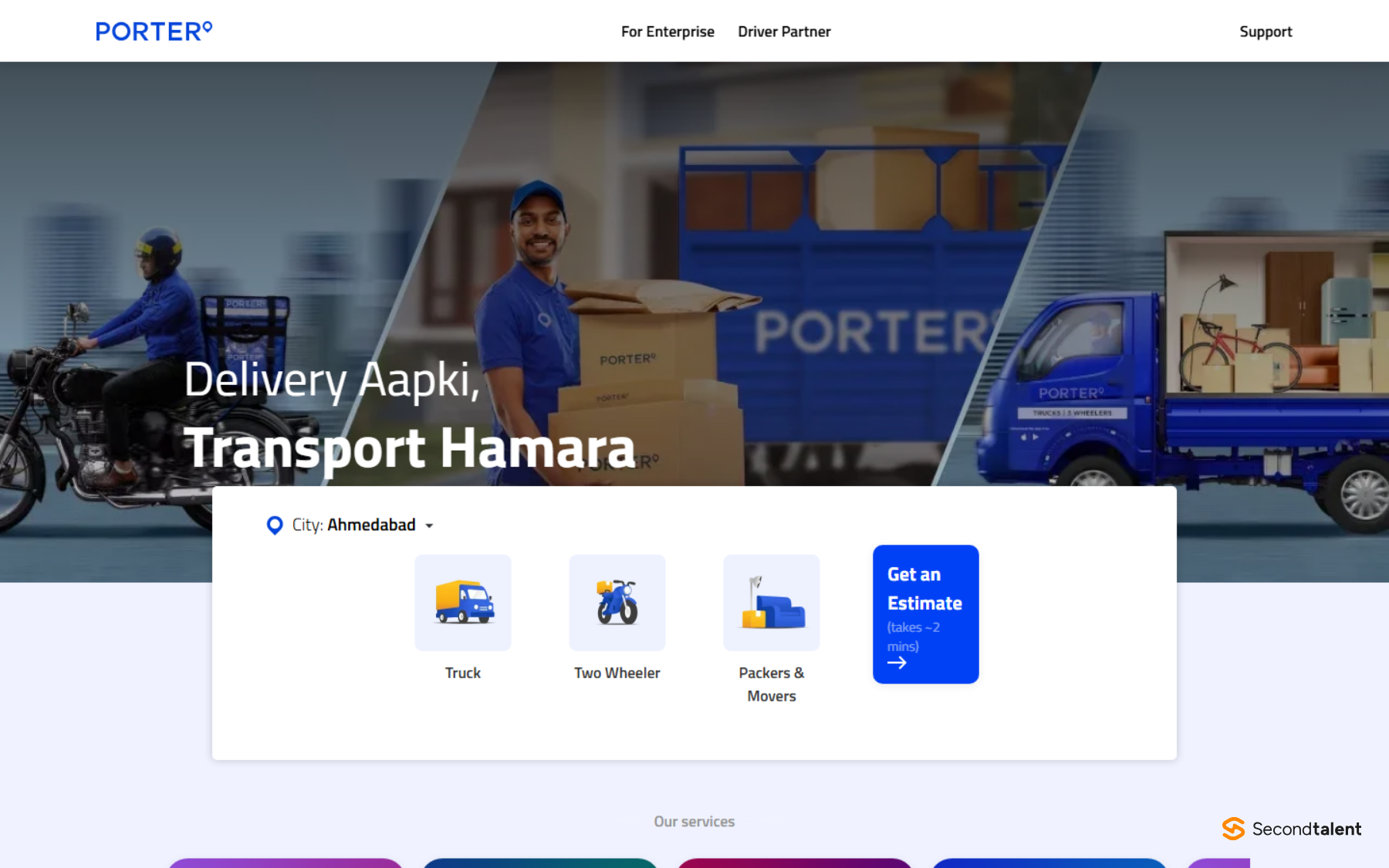
Porter moves goods inside Indian cities, from a single parcel on a two-wheeler to a truckload, and it earns more profit than any other Indian company on this list.
FY26 operating revenue rose 54% to Rs 6,650 crore, and net profit reached Rs 229 crore, up from Rs 55 crore. Pranav Goel, Uttam Digga and Vikas Choudhary founded it in Bengaluru.
Its 2025 fundraise of about $300 million to $310 million was mostly early investors selling: roughly $250 million of it was secondary.
Kedaara and Wellington led in May, and Vitruvian and Elev8 joined in September, at a valuation of about $1.2 billion.
The pricing on its two-wheeler page shows the business: delivery from Rs 48 for loads up to 20 kg, and it claims more than a million customers. Porter operates in more than 20 cities.
- Business: on-demand goods transport by two-wheeler, mini-truck and truck.
- Latest money: about $300 million, mostly secondary, at about $1.2 billion, 2025.
- Watch: an IPO, which secondary reports put 18 to 24 months away.
15. Carousell (Singapore)
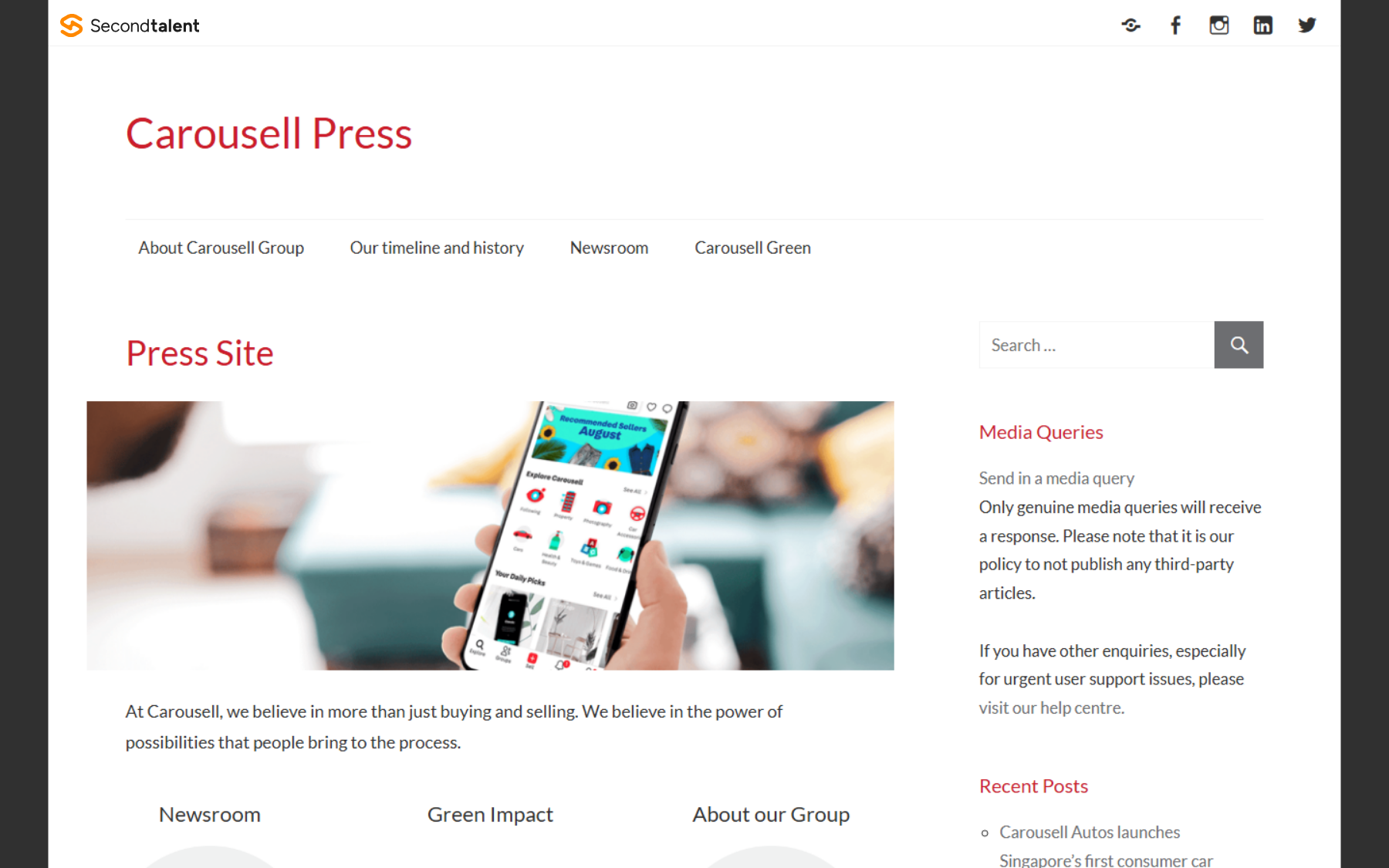
Carousell began as a classifieds app and now makes almost half its money buying and reselling used goods itself.
That recommerce arm brought in 45% of FY2025 revenue of $141 million, up 18%, and the company reported its first positive EBITDA in July 2026. It runs 29 physical stores across Singapore, Hong Kong, Malaysia and Indonesia.
Quek Siu Rui, Lucas Ngoo and Marcus Tan founded Carousell in Singapore in 2012. Its last round was $100 million led by STIC Investments in September 2021, at a $1.1 billion valuation. It has not raised a priced round since.
Cars are the newest push. Carousell Autos ran Singapore's first consumer car auction on 9 September 2026, three months after launching an AI car finder. Our list of Singapore AI companies covers the city's model and data businesses.
- Business: a second-hand marketplace, recommerce stores and Carousell Autos.
- Latest money: $100 million led by STIC at $1.1 billion, September 2021.
- Watch: a possible SGX listing, which The Edge Singapore has named it for.
16. Xendit (Indonesia)
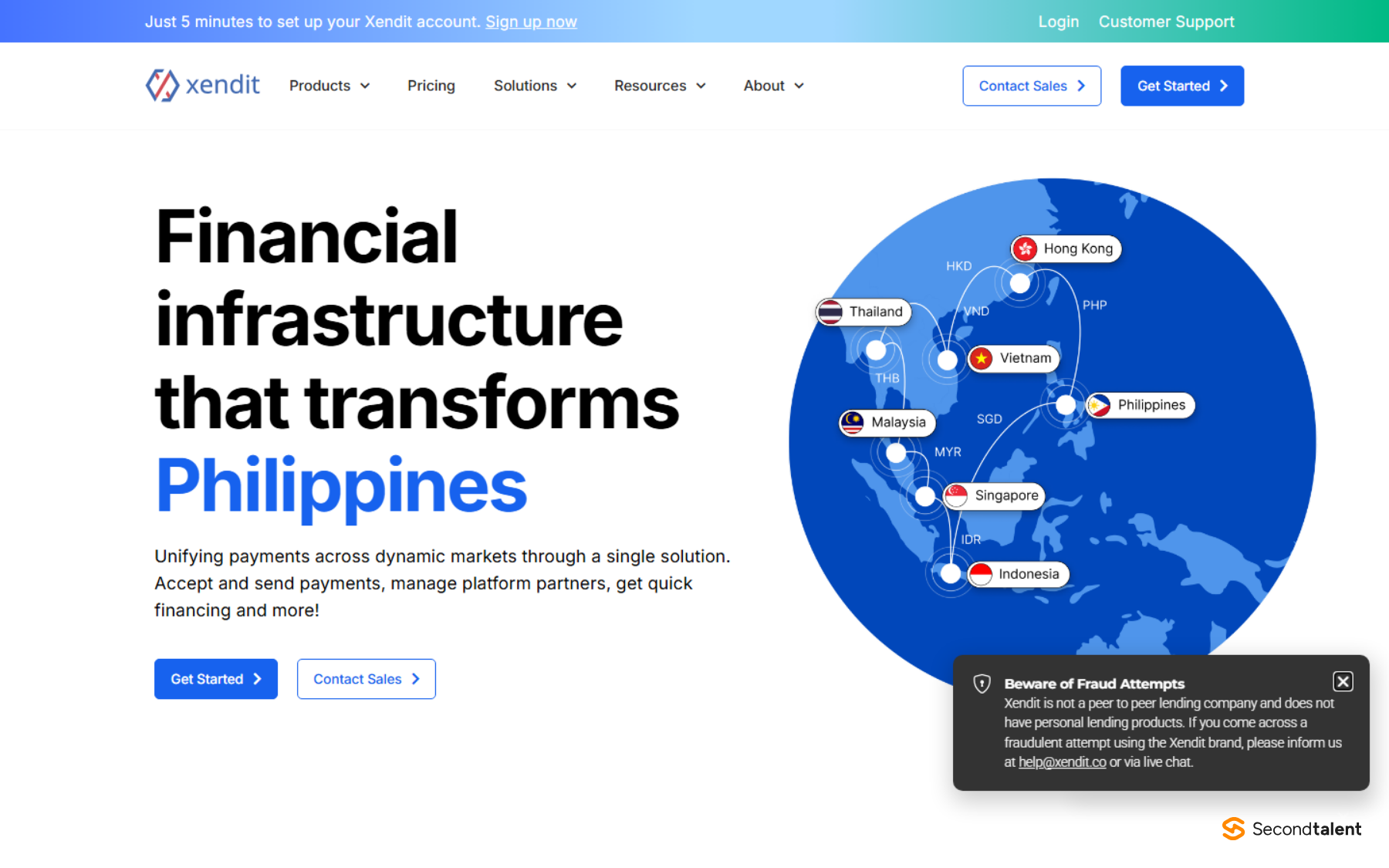
Xendit is an Indonesian payment gateway, and its own 2025 review puts total payment volume above $47.3 billion across more than 544 million transactions.
Indonesia accounted for over $37.8 billion and 424 million of them, and 15,200 merchants were active on the platform, according to Xendit Wrapped 2025.
Moses Lo, Tessa Wijaya, Juan Gonzalez and Bo Chen founded it in 2015 through Y Combinator, starting with bitcoin remittance.
It became a unicorn with a $150 million Series C led by Tiger Global in September 2021 and raised a $300 million Series D, co-led by Coatue and Insight Partners, in May 2022.
It has not disclosed a valuation since, and it cut staff in 2022, 2023 and January 2024.
- Business: payment acceptance, payouts and cards for businesses in Indonesia and the Philippines.
- Latest money: $300 million Series D, May 2022.
- Watch: profitability, which it has not confirmed publicly.
17. VNPAY (Vietnam)
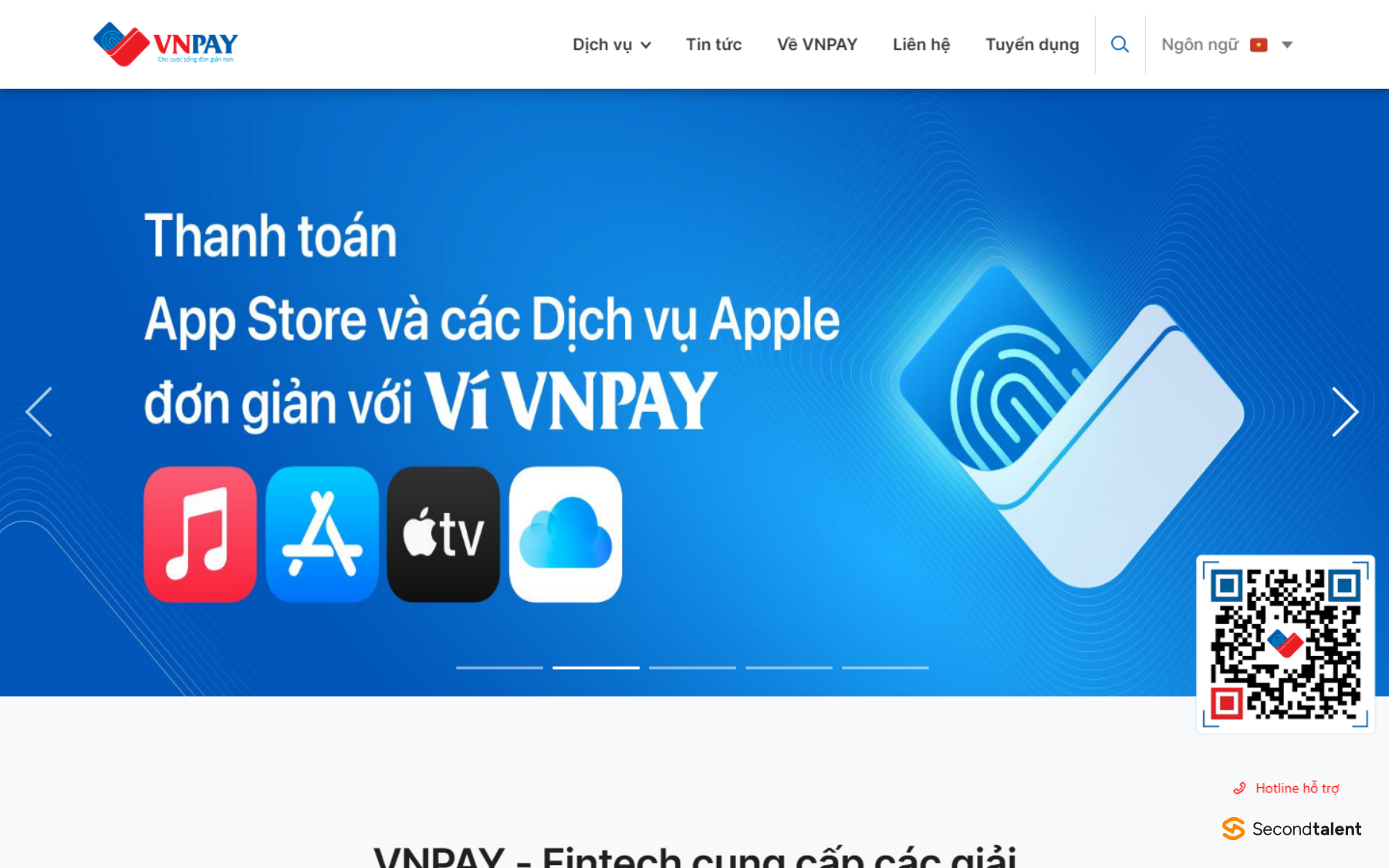
VNPAY is the reason a Vietnamese shopper can pay a street vendor from almost any bank app.
Its VNPAY-QR code can be scanned from the mobile banking apps of more than 40 banks, the VNPAY app itself or 15 e-wallets, and its site counts more than 600,000 acceptance points and 50 million users.
The company was founded in Hanoi in 2007.
Its parent, VNLIFE, raised a $250 million Series B in July 2021, led by General Atlantic and Dragoneer with PayPal Ventures, EDBI, GIC and SoftBank's Vision Fund, at a valuation above $1 billion that made it Vietnam's second tech unicorn.
No round has been announced since, and VNPAY publishes no revenue or profit figures.
MoMo is built around a consumer wallet; VNPAY is built around merchants and bank apps. Its newer product is a phone-based point of sale certified under PCI MPoC, the card industry's standard for taking card payments on a phone.
- Business: QR payments, merchant terminals and bank-app services.
- Latest money: VNLIFE's $250 million Series B, July 2021.
- Watch: the absence of public financials after five years without a round.
18. Traveloka (Indonesia)
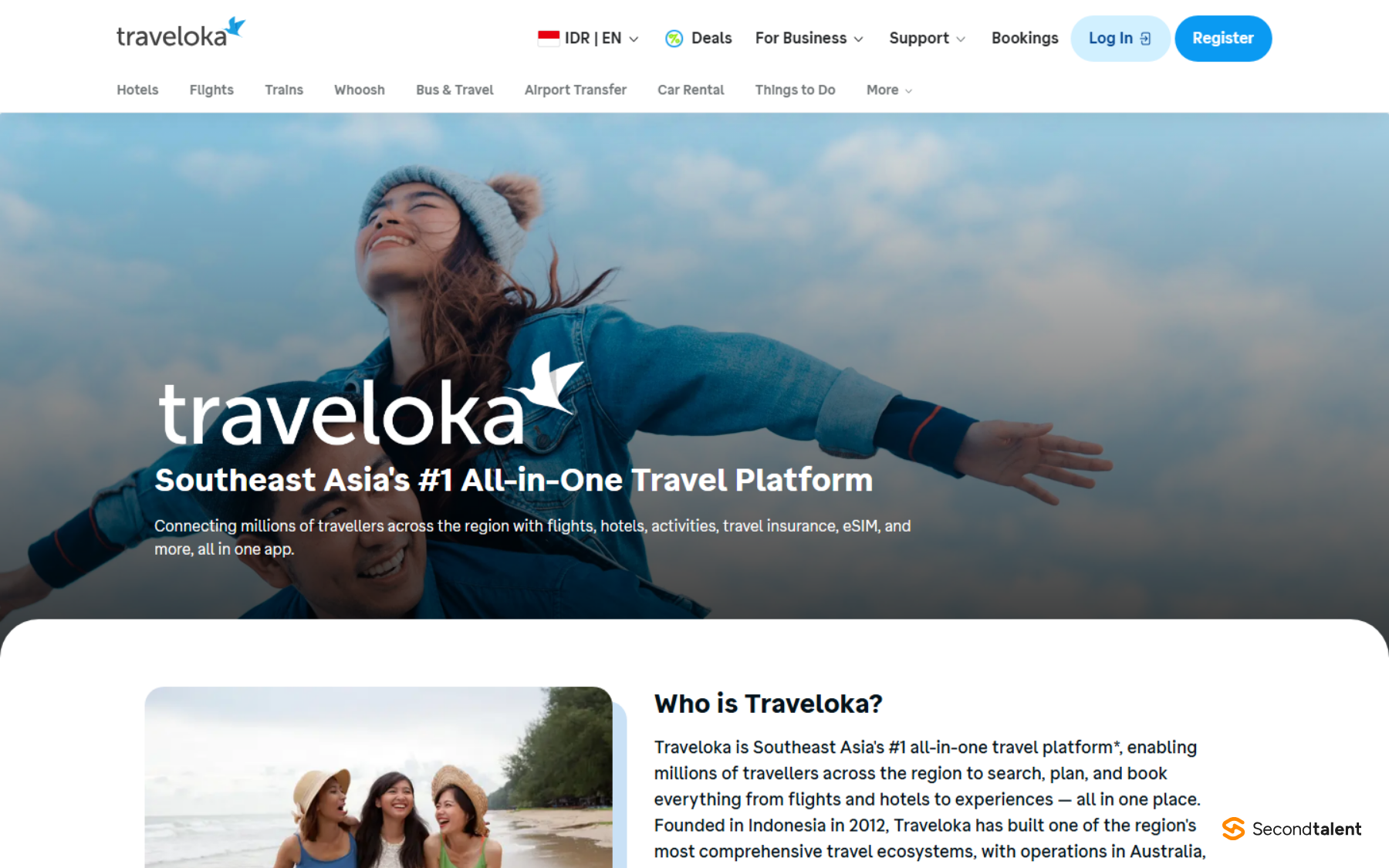
Traveloka, the Jakarta-based travel booking app, is profitable: DealStreetAsia reported that its net profit rose fivefold in 2024.
Its about page lists nine markets, including Australia, Japan and South Korea, more than 140 million app downloads, 300 airlines, 2 million places to stay and 90,000 activities.
Ferry Unardi, Derianto Kusuma and Albert Zhang founded it in 2012, and it operates from Jakarta.
Its last funding was a $300 million package led by BlackRock in September 2022, part equity and part loans, and no valuation was disclosed with it. A 2021 plan to list through a SPAC was dropped, and no new filing has followed.
The app now sells eSIMs and travel insurance next to flights and hotels. In August 2026 it began publishing a quarterly Traveloka SEA Index on regional travel demand.
- Business: flights, hotels, activities, eSIMs and travel insurance.
- Latest money: $300 million led by BlackRock, September 2022.
- Watch: a listing, which has been rumoured since 2021 and never filed.
19. Kredivo Group (Singapore and Indonesia)
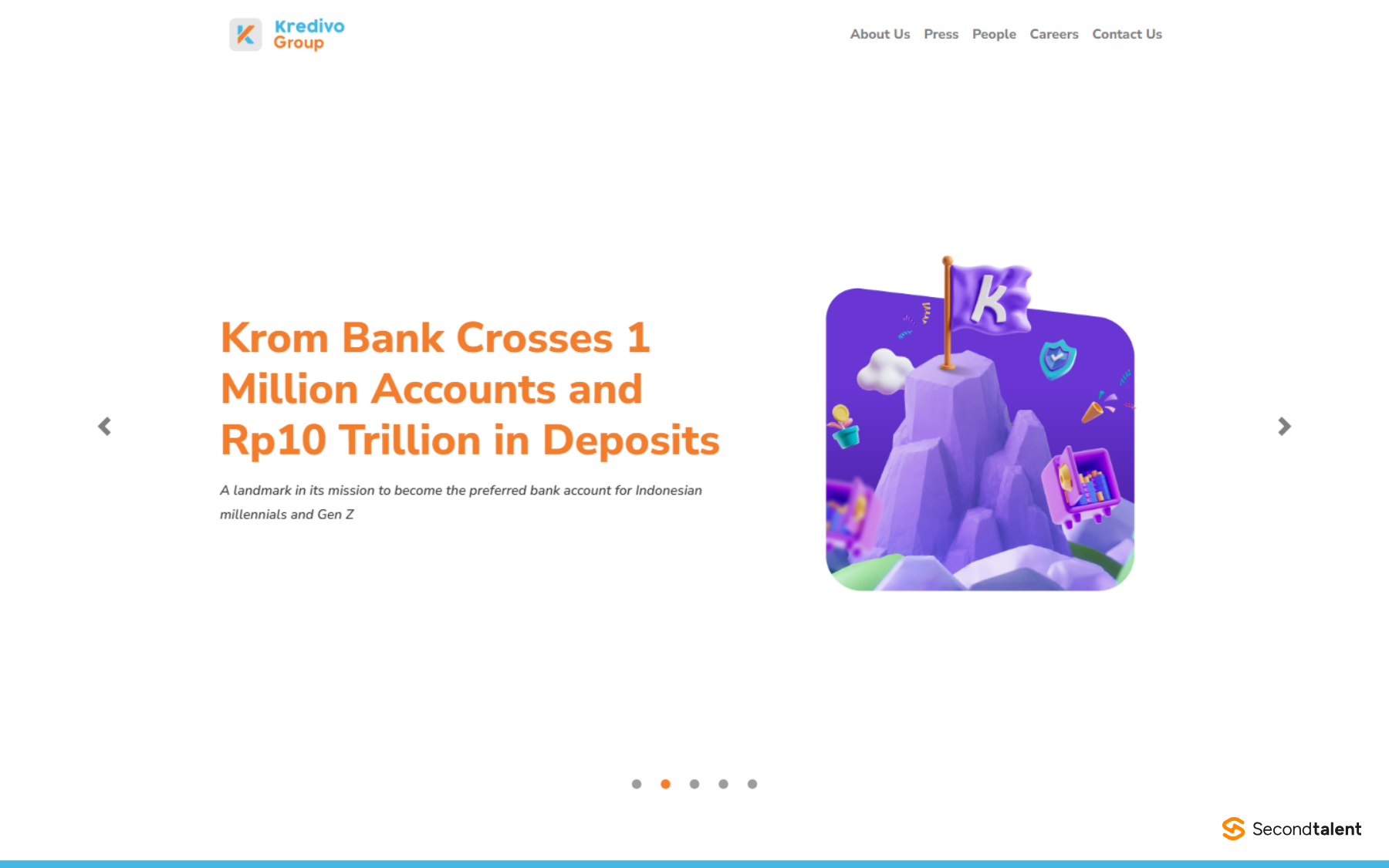
Kredivo started as a buy-now-pay-later line for Indonesian shoppers and now owns two digital banks. In May 2026 it bought close to all of Timo, Vietnam's first digital bank, and it plans to invest about $15 million there over three years.
Its Indonesian bank, Krom, has passed 1 million accounts and Rp10 trillion in deposits.
Akshay Garg, Umang Rustagi and Alie Tan founded it in 2015. The group is headquartered in Singapore and runs its operations from Jakarta.
Its last equity round was a $270 million Series D closed in March 2023, led by Mizuho with $125 million, and it says it has raised about $500 million in total.
Kredivo lends in Indonesia, Vietnam and Thailand, and it makes credit decisions in real time at checkout.
- Business: pay-later credit, personal loans and digital banking.
- Latest money: $270 million Series D led by Mizuho, March 2023.
- Watch: integrating Timo, and credit quality as it grows.
20. Thunes (Singapore)
Thunes is the network that lets a remittance app, a bank or a payroll platform pay out money in another country, straight into a local bank account or mobile wallet.
Its $150 million Series D in April 2025, led by Apis Partners and Vitruvian Partners, also disclosed positive EBITDA and a $150 million revenue run-rate. The company was founded in Singapore in 2016.
The network reaches more than 130 countries and, by its own count, 4 billion mobile and stablecoin wallets.
SmartX Treasury, its currency and liquidity service, handles 90 currencies, so a client can hold and convert funds without its own bank account in each market.
It did not disclose a valuation with the Series D, which is why it sits last on a list ordered by one.
- Business: a cross-border payout network for banks, fintechs and platforms.
- Latest money: $150 million Series D, April 2025.
- Watch: stablecoin payouts, a newer part of its network.
Which of These Startups Could List Next
Hong Kong is where China's AI and robotics companies are going: Zhipu AI and MiniMax listed there in January 2026, and Moonshot and StepFun have filed.
Indian startups list at home, and Korea's AI chip and model companies are queuing for KOSPI and KOSDAQ.
Southeast Asia's entries have no filings at all, which matches the region's record: our Southeast Asia startup report counted 31 IPOs in the first seven months of 2026, against 82 in all of 2025.
Hiring Engineers Where These Startups Hire
Most of these companies compete for the same engineers in Bengaluru, Ho Chi Minh City, Jakarta and Manila that global teams hire remotely.
Second Talent sources, vets and employs engineers across nine Asian markets on our own entities, with a 92% talent retention rate and most roles matched within 24 hours.
Our lists of Philippine tech startups and countries with the most unicorns show where that talent is concentrating. If you are building a team, tell us the roles and we will come back with candidates and the full cost per market.
Frequently Asked Questions
What is the most valuable tech startup in Asia in 2026?
Among private, venture-backed companies still raising growth capital, Moonshot AI, at $35 billion after its July 2026 round. PhonePe follows at $14.5 billion.
Moonshot has filed confidentially for a Hong Kong IPO, so it may not stay private for long.
Why are Grab, Swiggy and Zhipu AI not on the list?
They are listed companies.
Grab has traded on Nasdaq since December 2021, Swiggy and Ola Electric listed in India in 2024, Zhipu AI and MiniMax listed in Hong Kong in January 2026, and Unitree listed on Shanghai's STAR Market in August 2026.
Which Asian tech startups are profitable?
On this list, Porter (Rs 229 crore net profit in FY26), Juspay (FY25), Flash Express (2024) and MoMo (since 2024) report a net profit. Carousell and Thunes report positive EBITDA, which excludes some costs a net profit counts.
Which country in Asia has the most valuable startups?
On this list, China holds the two AI labs at the top, and India has the most entries with six. Southeast Asia has eight, but most of them last set a price in 2021 or 2022.





![How to Hire Developers in Asia Remotely. How to Hire Developers in Asia Remotely from the USA [2026], by Second Talent.](https://www.secondtalent.com/wp-content/uploads/2026/09/hire-developers-in-asia-remotely-featured-v2-768x403.jpg)