TL;DR: By 2025 revenue, the biggest Hong Kong-headquartered tech companies on this list are telecom and IT group HKT (HK$36.6 billion) and online broker Futu (HK$22.8 billion). Airwallex ($11 billion valuation in June 2026) and Lalamove (about $10 billion in 2021) are the most valuable startups with Hong Kong roots, and InvestHK counted 5,221 startups in the city in 2025.
On 10 April 2026 the Hong Kong Monetary Authority granted its first stablecoin issuer licenses, and one of the two went to Anchorpoint, a joint venture of Standard Chartered, HKT and Animoca Brands.
Two of those three owners appear below, next to a Nasdaq-listed broker, three virtual banks, an AI drug developer that listed in December 2025 and a surgical robot maker that Medtronic invested in last month.
The 20 Hong Kong Tech Companies Compared
| # | Company | What it does | Status | Latest figure |
|---|---|---|---|---|
| 1 | HKT | Telecom and enterprise IT | HKEX: 6823 | HK$36.6B revenue (2025) |
| 2 | Futu | Online brokerage | Nasdaq: FUTU | HK$22.8B revenue (2025) |
| 3 | SenseTime | AI models and infrastructure | HKEX: 0020 | RMB2.91B revenue (H1 2026) |
| 4 | ASL | IT services | HKEX: 0771 | HK$2.6B core revenue (2025) |
| 5 | Airwallex | Business payments | Private | $11B valuation (Jun 2026) |
| 6 | WeLab | Digital banking | Private | US$220M Series D (Jan 2026) |
| 7 | ZA Bank | Virtual bank | Private | HK$22.2B deposits (end-2025) |
| 8 | Mox Bank | Virtual bank | Private | HK$21B deposits (end-2025) |
| 9 | HashKey | Crypto exchange | HKEX: 3887 | HK$282.2B volume (H1 2026) |
| 10 | Animoca Brands | Web3 games and investing | Private | $173M bookings (2025) |
| 11 | Bowtie | Virtual insurer | Private | US$80M+ ARR (May 2025) |
| 12 | OneDegree | Virtual insurer | Private | US$250M custody cover (Apr 2026) |
| 13 | Klook | Travel experiences | Private (US IPO filed) | $417.1M revenue (2024) |
| 14 | Lalamove | On-demand delivery | Private (HK IPO filed) | About $10B valuation (2021) |
| 15 | GOGOX | Van and truck booking | HKEX: 2246 | RMB670.6M revenue (2025) |
| 16 | Insilico Medicine | AI drug discovery | HKEX: 3696 | HK$2.28B IPO (Dec 2025) |
| 17 | Cornerstone Robotics | Surgical robots | Private | About US$700M from Medtronic (Sep 2026) |
| 18 | Prenetics | IM8 supplements | Nasdaq: PRE | $46.5M revenue (Q2 2026) |
| 19 | Rice Robotics | Service robots | Private | US$7M pre-Series A (2023) |
| 20 | Hanson Robotics | Humanoid robots | Private | 30+ robots built |
- 1HashKey and Insilico Medicine both listed on HKEX in December 2025, and Klook (New York) and Lalamove (Hong Kong) still have IPO filings open.
- 2ZA Bank booked its first annual profit in 2025 and Mox broke even in the first quarter of 2026.
- 3The government's Hong Kong Investment Corporation now writes checks itself: it led a US$200 million round in Cornerstone Robotics and joined WeLab's Series D.
- 4A third of Hong Kong's startup founders came from outside the city in 2025, up from 28% a year earlier.
The Top 20 Tech Companies and Startups in Hong Kong
1. HKT (and PCCW Solutions)
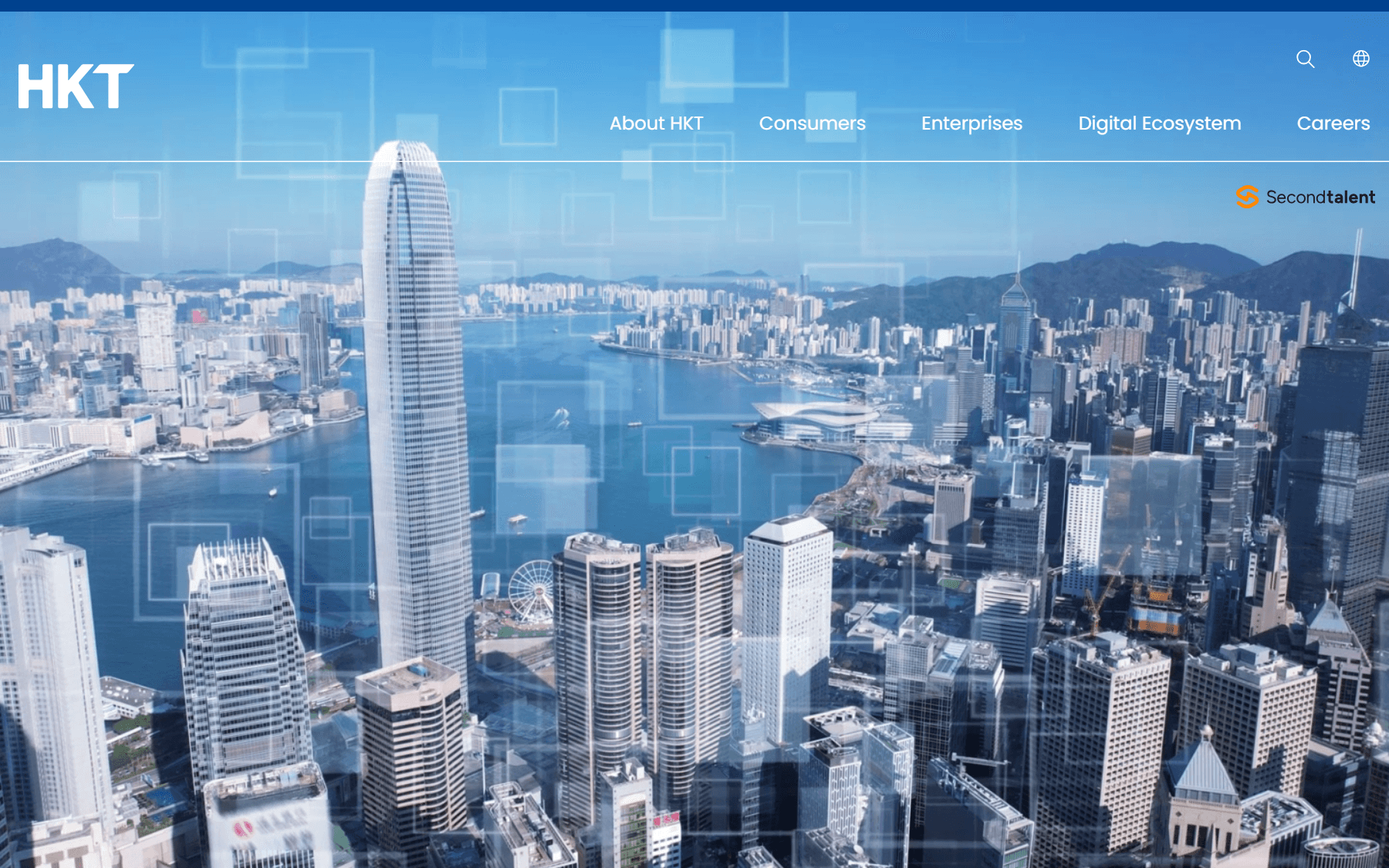
HKT is the telecom and enterprise IT company of the PCCW group, selling mobile, broadband and corporate network services alongside large systems contracts.
It trades on HKEX as 6823, and its own fact sheet names PCCW Limited (00008) as its listed holding company and counts more than 12,600 employees.
The 2025 annual results, released on 9 February 2026, put revenue up 5% to HK$36,553 million and EBITDA up 4% to HK$14,234 million, a gain HKT credited in part to "efficiency and productivity improvements resulting from AI adoption".
The consumer base is big for a city of 7.5 million: 3.494 million post-paid mobile customers and 1.086 million fiber-to-the-home connections.
The IT services work sits in two places.
HKT Enterprise Solutions signed new projects with a total contract value above HK$5 billion in 2025, and PCCW Solutions, the group's IT services flagship, runs systems work across Hong Kong, mainland China and Southeast Asia.
HKT also turns up inside two other entries: it is a partner in Mox Bank and an owner of Anchorpoint, the stablecoin issuer.
- Base: Hong Kong, listed on HKEX.
- Ownership: PCCW Limited is the listed holding company.
- What to watch: how far AI-driven efficiency keeps EBITDA growing.
2. Futu Holdings

Futu runs the Futubull trading app in Hong Kong and moomoo in its overseas markets.
Its full-year release, datelined Hong Kong on 12 March 2026, reported revenue up 68.1% to HK$22,846.9 million (US$2,935.4 million) and net income up 108% to HK$11,301.9 million.
The filing gives its principal executive office as 95 Queensway, Admiralty, though the shares trade on Nasdaq rather than in Hong Kong. The growth came from both sides of the book.
Funded accounts rose 39.6% in 2025 to 3,365,414, and client assets rose 65.9% to HK$1.23 trillion by 31 December.
Futu is the clearest case on this list of a home-grown platform that scaled outside the city without moving its head office, a step Airwallex, Insilico and Prenetics each took in some form.
- Base: Admiralty, Hong Kong.
- Ownership: listed on Nasdaq as FUTU.
- What to watch: account growth outside Hong Kong as trading volumes cool.
3. SenseTime

SenseTime made its first profit under international accounting rules in the first half of 2026, more than four years after its December 2021 Hong Kong listing.
The interim filing showed net profit of RMB617.3 million on revenue of RMB2.91 billion, up 23.4%. Part of that profit came from fair-value gains on its investment portfolio, and on an adjusted basis the company still lost RMB385.9 million.
The business has turned into a generative AI company. Generative AI brought in RMB2.33 billion in the half, 79.9% of revenue, from the SenseNova foundation models and the SenseCore computing platform.
For the full year 2025, KrASIA reported revenue of about RMB5.01 billion, up 32.9%, with generative AI at 72.4% of the total and the second half of 2025 its first EBITDA-positive half since listing.
SenseTime keeps an office at Hong Kong Science Park, while most of its operations are in Shanghai, Beijing and other mainland cities.
It sits on the US Commerce Department's Entity List and, since December 2021, the Treasury list that bars US investors from buying its shares, a move that briefly delayed its IPO. We found no report that either listing has been lifted.
- Base: Hong Kong-listed, with most operations in mainland China.
- Ownership: listed on HKEX.
- What to watch: whether profit holds without portfolio gains.
4. Automated Systems Holdings (ASL)
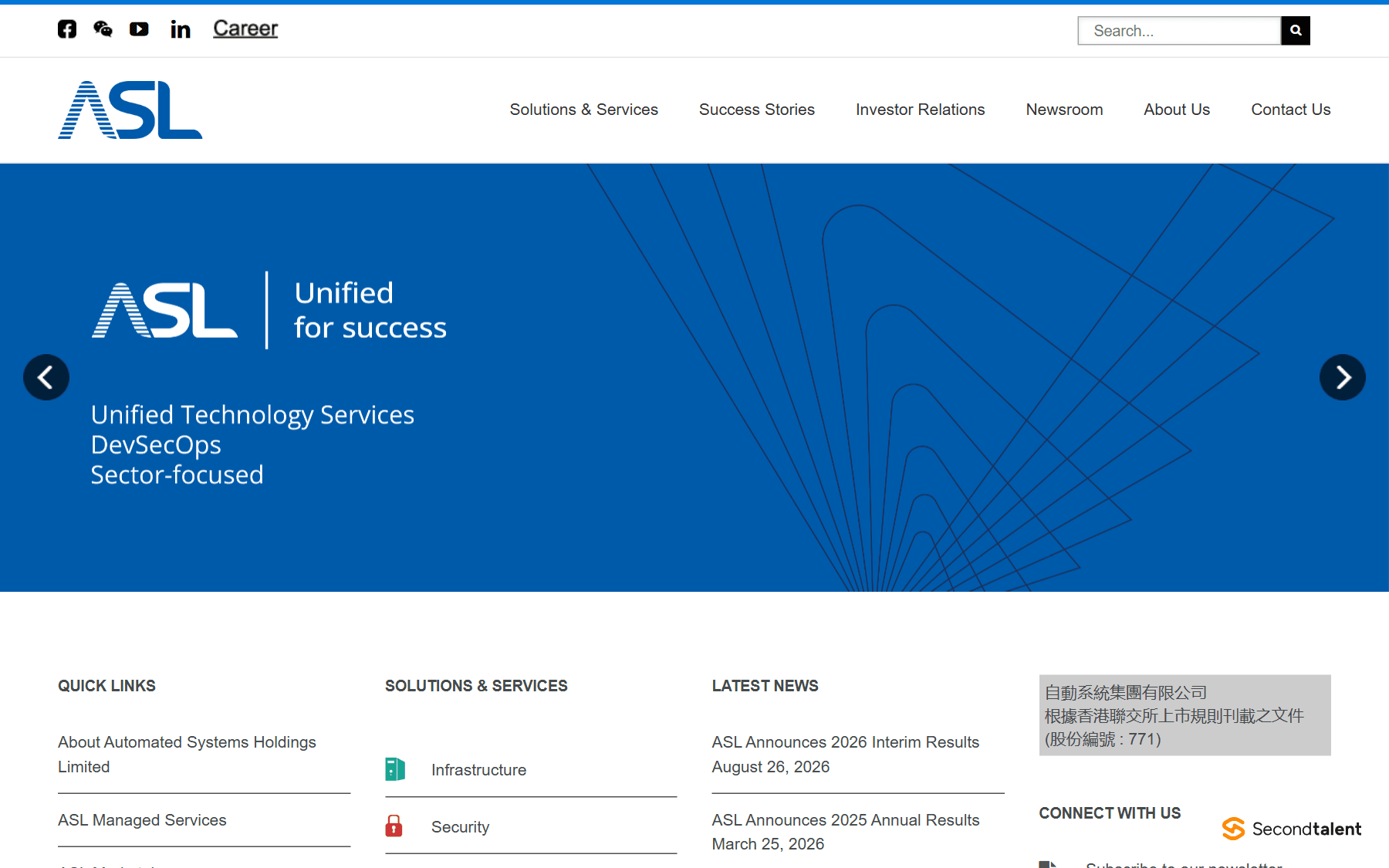
ASL is the plainest answer to "IT company in Hong Kong": a listed systems integrator whose focus sectors are government, healthcare, banking, securities and insurance.
Its 2025 results, released on 25 March 2026, describe it as "based in Hong Kong and with a global footprint".
Core revenue rose 9.8% to HK$2,605.4 million, and gross profit rose 3.7% to HK$255.1 million. Gross profit is under a tenth of revenue, which is normal for systems integration work.
ASL secured about HK$2,490.7 million in new orders during the year and carried an order book of about HK$1,536.8 million into 2026.
Its service lines are application development, cybersecurity and omni-channel managed services.
Because ASL reports new orders and its order book each year, a buyer weighing it as an outsourcing partner can check its pipeline in public filings, which a private agency does not offer.
- Base: Hong Kong.
- Ownership: listed on HKEX.
- What to watch: whether public-sector AI and cybersecurity tenders lift margins.
5. Airwallex
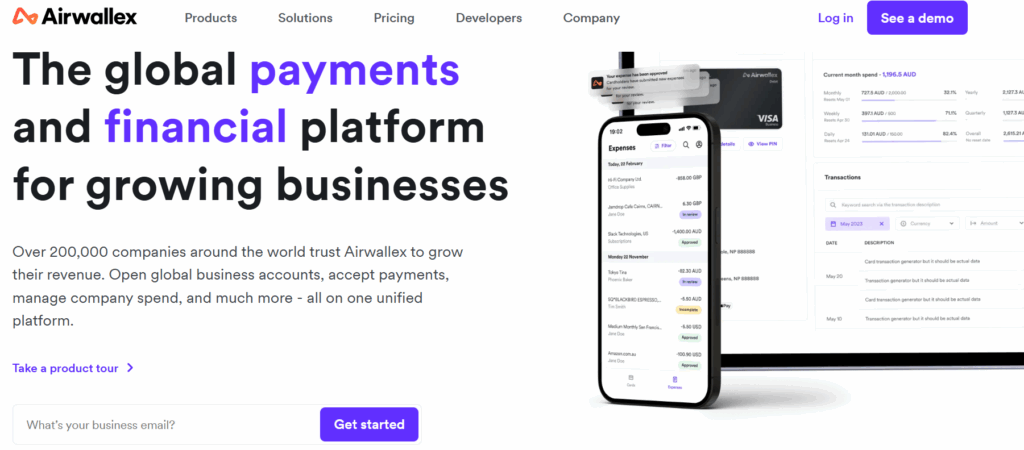
Airwallex started in Melbourne in 2015 and now calls itself co-headquartered in San Francisco and Singapore, but Hong Kong is still one of its core markets.
Its Hong Kong site lists a Money Service Operator license from the Customs and Excise Department, local accounts in 20+ currencies and transfers to 200+ countries and regions.
Three rounds in thirteen months took the valuation from $6.2 billion to $11 billion:
The Series H release put annualised revenue at $1.3 billion in March 2026, up 74% in a year, on $287 billion of annualised transaction volume, with more than 2,300 employees in 27 offices.
The Series G release marks the point it passed $1 billion in annualised revenue, in October 2025, and counts 200,000+ business customers.
- Base: co-headquartered in San Francisco and Singapore, licensed and operating in Hong Kong.
- Ownership: private.
- What to watch: how much work stays in Hong Kong as head-office roles move to San Francisco and Singapore.
6. WeLab
WeLab closed a US$220 million Series D in January 2026, a mix of debt and equity, with HSBC, Prudential Hong Kong, Fubon Bank Hong Kong and the Hong Kong Investment Corporation joining existing backers TOM Group and Allianz X, 36Kr reported.
Neither side disclosed a valuation, so there is no current figure on record.
The group's own site counts 70 million+ registered users, 700+ enterprise customers and more than US$17 billion in loans arranged across Hong Kong, mainland China and Indonesia.
It runs two licensed digital banks: WeLab Bank in Hong Kong and Bank Saqu in Indonesia.
WeLab Bank turned its first profitable quarter in Q1 2025, per KrASIA, and its 2025 results reported record revenue of HK$942 million, up 35%, with operating income up 63% to HK$573 million and a net interest margin of 10.6% on an unsecured loan book of about HK$6 billion.
Euromoney and FinanceAsia both named it Hong Kong's best digital bank for 2025.
- Base: K11 Atelier, Quarry Bay, Hong Kong.
- Ownership: private.
- What to watch: a full-year net profit at WeLab Bank.
7. ZA Bank
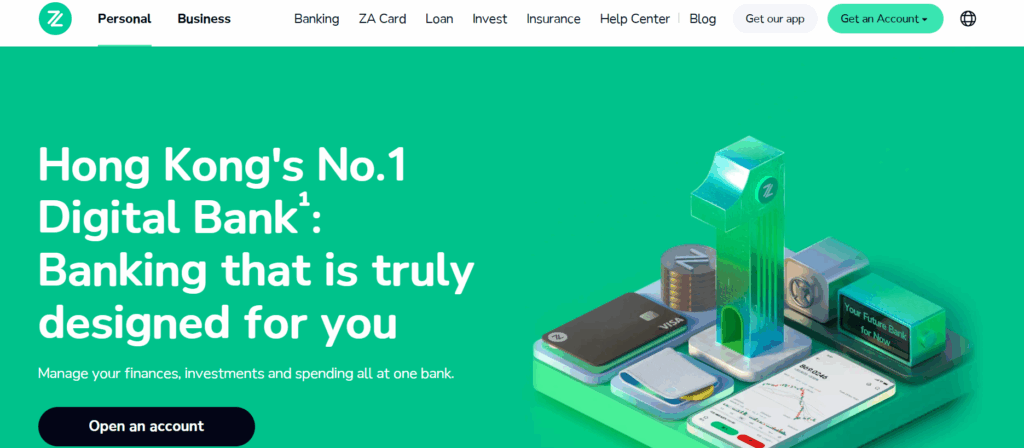
ZA Bank was the first Hong Kong digital bank to pass one million retail users, and in 2025 it made its first full-year profit, HK$17 million.
The annual results filed by shareholder Z Fin show net revenue up 62.7% to about HK$892 million, deposits of about HK$22.2 billion at year end, and a cost-to-income ratio that fell from 109.4% to 77.8%.
The profit grew in 2026. Fintech News Hong Kong reported first-half net profit of HK$70.6 million, up 44%, with fee income up 76% to HK$123 million.
Fees matter here because ZA has moved past savings: it added Hong Kong stock trading in 2025, and in November 2024 it began offering bitcoin and ether trading through HashKey, which it billed as a first for a bank in Asia.
ZA's own site calls it "Hong Kong's No.1 Digital Bank", footnoted to the most users and deposits among the city's eight digital banks at 31 December 2025, and lists savings in 11 currencies and a first-mover spot in the Southbound Wealth Management Connect scheme.
Euromoney named it Hong Kong's best digital bank in its 2026 awards.
- Base: Hong Kong.
- Ownership: private, part of ZA Global; ZhongAn Online is a shareholder through Z Fin.
- What to watch: fee income from trading and crypto as a share of revenue.
8. Mox Bank
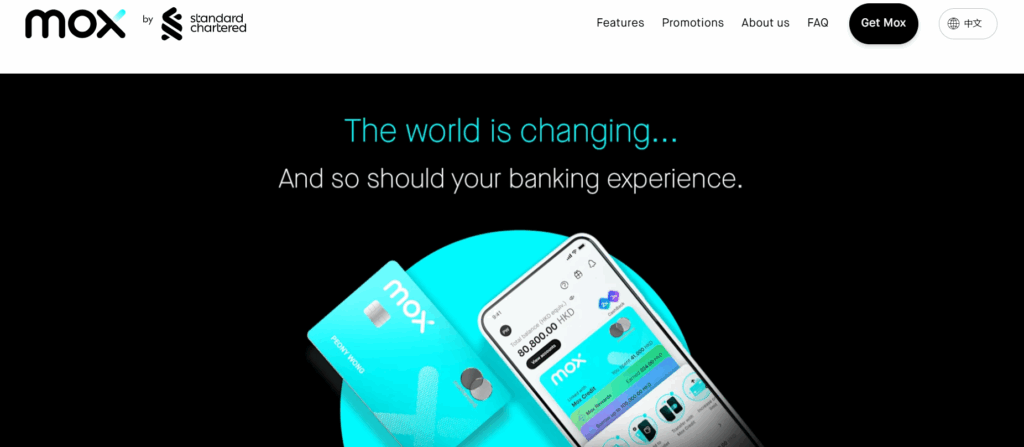
Mox is the Standard Chartered-backed virtual bank, run in partnership with PCCW, HKT and Trip.com, and it broke even in the first quarter of 2026.
Its 2025 performance release counts about 750,000 customers, up 15%, which Mox says is 12% of Hong Kong's bankable population.
Customer loans grew fastest, up 123% to HK$14 billion, helped by a portfolio bought from Standard Chartered Hong Kong, and operating income rose 32% to HK$719 million.
Card spending grew 36% to almost US$3 billion, and the 2026 plan adds crypto trading in bitcoin, ether and Solana, life insurance and IPO subscriptions.
Mox launched in 2020 with a numberless debit card, and The Asian Banker named it Hong Kong's best digital bank for 2024.
Side by side, Hong Kong's two largest virtual banks look like this at the end of 2025:
- 1M+ retail users
- HK$22.2B deposits
- First annual profit: HK$17M in 2025
- ~750,000 customers
- HK$21B deposits
- Break-even: Q1 2026
- Base: Hong Kong.
- Ownership: private, backed by Standard Chartered.
- What to watch: a first full-year profit in 2026.
9. HashKey

HashKey listed on HKEX on 17 December 2025, raising about HK$1.6 billion at HK$6.68 a share. By 8 October 2026 the stock traded at HK$2.135, per StockAnalysis, about two-thirds below the offer price.
Trading still grew. HashKey's 2026 interim results show platform trading volume of HK$282.2 billion in the first half, up 31.8%, with 82% from institutions.
Revenue rose 20.6% to HK$342.5 million, though the adjusted loss was HK$314.8 million. Asset management held HK$5.94 billion, and the group signed a framework deal to buy Singapore's APEX.
One correction to older write-ups: HashKey was not Hong Kong's first licensed crypto exchange. The SFC's register shows OSL licensed in December 2020 and HashKey's operating company in November 2022.
Both were approved to serve retail investors on 3 August 2023, and HashKey opened retail trading that month.
- Base: Hong Kong, with offices in Japan, Singapore and Dubai.
- Ownership: listed on HKEX.
- What to watch: the APEX deal and stablecoin work with OneDegree.
10. Animoca Brands
Animoca Brands is an owner of Anchorpoint Financial, the joint venture with Standard Chartered Hong Kong and HKT that received one of Hong Kong's first two stablecoin issuer licenses on 10 April 2026.
That license is the most concrete result from a company better known for The Sandbox and a large crypto portfolio.
Its unaudited 2025 investor update, published on 8 September 2026, reported bookings of $173 million, down from $314 million in 2024, with $68 million in cash and stablecoins and $177 million in digital assets.
Minority stakes in 620+ portfolio companies carried a fair value of $411 million, and The Sandbox cut its headcount from 240 to 92. The same update lists a Dubai VARA license in February 2026 and in-principle approval in Abu Dhabi's ADGM.
The route back to a stock market has stalled. Animoca agreed a non-binding plan in November 2025 to list on Nasdaq through a reverse merger with Currenc Group, but suspended the talks in September 2026 while saying it still plans to list.
Its last priced round, in January 2022, raised $358.9 million at over $5 billion.
- Base: Hong Kong (Australian-incorporated, delisted from the ASX in 2020).
- Ownership: private.
- What to watch: Anchorpoint's first HKD stablecoin and the audited 2024 and 2025 accounts.
11. Bowtie
Bowtie was Hong Kong's first virtual insurer, licensed in 2018 to sell policies online, and by May 2025 its annual recurring revenue had passed US$80 million, more than double a year earlier.
Its Series C announcement adds that it ranked first in Hong Kong's direct channel for new non-single-premium policies in the fourth quarter of 2024.
Sun Life Hong Kong led that round of up to US$70 million in July 2025, raising its existing stake.
Bowtie has raised in four rounds since its US$30 million Series A in 2018, and the Financial Times ranked it first among Hong Kong companies on its 2025 High-Growth Companies Asia-Pacific list.
The product range covers Voluntary Health Insurance Scheme hospital plans, term life, critical illness, cancer, accident, eye care, outpatient, women's health and group medical cover.
It has no pet insurance, despite what older profiles say. The homepage quotes 100,000+ customers, a 98.9% claims approval rate and a 5.63-day average review time, both measured in August 2023.
- Base: Wan Chai, Hong Kong.
- Ownership: private, backed by Sun Life Hong Kong.
- What to watch: the US$100 million ARR mark it targeted for 2025.
12. OneDegree
OneDegree's crypto arm, OneInfinity, started underwriting custody insurance of up to US$250.45 million for exchange EX.IO on 16 April 2026, reinsured by Lloyd's syndicates, EX.IO announced.
In 2022 OneDegree called itself the first Asia-headquartered insurer to cover digital assets, starting with US$100 million of assets under management.
The Hong Kong business is a virtual insurer founded in 2016 and authorized by the Insurance Authority. Its Series B reached US$55 million in June 2023, with Gobi Partners and BitRock Capital among the backers.
Retail lines include pet insurance, and the company claims its Pet CEO plans carry the highest annual medical cover among six pet plans from authorized Hong Kong insurers, based on its own June 2026 market research.
The OneInfinity newsroom shows where OneInfinity wants to grow: a HashKey Exchange partnership in August 2026 on HKD stablecoin use cases, cyber insurance with AI-risk cover for small businesses from January 2026, and approval from the Central Bank of the UAE in 2024 to work with Dubai Insurance.
- Base: Hong Kong.
- Ownership: private.
- What to watch: stablecoin and exchange insurance as Hong Kong licenses more platforms.
13. Klook
Klook filed to list on the New York Stock Exchange under the ticker KLK on 10 November 2025, then pushed the listing into 2026. In July 2026 Fortune reported it had yet to announce new plans, and SEC records show no amended filing since.
The filing opened Klook's books for the first time. Skift's read of it puts revenue at $417.1 million in 2024, up from $335.2 million in 2023, on gross transaction value of $2.5 billion, up 36%.
Fortune reported a $141.5 million net loss on $407.4 million of revenue in the first nine months of 2025. The company had about 310,000 offerings in about 4,200 destinations at 30 September 2025, per Renaissance Capital.
Klook raised $100 million led by Vitruvian Partners in February 2025, taking total funding past $1 billion, without stating a valuation.
Its newsroom shows the current bets: a 30,000-strong creator network, Kreator Shops from September 2026 and a Visa agreement covering six Southeast Asian markets.
- Base: Hong Kong.
- Ownership: private, US IPO filed.
- What to watch: a revived New York listing.
14. Lalamove
Lalamove's parent, Lalatech, filed its seventh Hong Kong IPO application on 30 April 2026, after the six before it lapsed, BigGo Finance reported.
The group was founded in Hong Kong in 2013 and runs as Huolala in mainland China, where most of its operations now sit.
The prospectus, as BigGo and Benzinga summarized it, shows a profitable company: 2025 revenue of $2.139 billion, up 34%, net profit of $447 million and more than 1.03 billion orders.
About 2.1 million drivers and 21.3 million merchants were active each month, on $12.36 billion of freight transaction value. These figures come from reports of the filing, not the filing itself.
Outside China the brand is Lalamove. It entered the US through Dallas in 2020, launched in Berlin on 18 May 2026 and now counts 17 markets across Asia, the Americas and Europe.
Its last private round, a Series F of up to $1.5 billion in January 2021, valued it at about $10 billion, according to EqualOcean.
- Base: founded in Hong Kong, with most operations in mainland China.
- Ownership: private, Hong Kong IPO filed.
- What to watch: whether the seventh filing reaches a listing hearing before it lapses.
15. GOGOX
GOGOX, the van-booking app that started as GoGoVan, became Hong Kong's first unicorn through its 2017 merger with 58 Suyun and listed on HKEX on 24 June 2022. The IPO raised about HK$670 million at HK$21.50 a share.
It has been shrinking since.
The 2025 annual results show revenue of RMB670.6 million, up 1.6%, and a loss of RMB162.6 million on 11.0 million orders.
In the first half of 2026 revenue fell 10.9% to RMB292.6 million and the loss narrowed to RMB71.2 million, while mainland China revenue dropped 35.7%. Hong Kong and overseas markets now bring in 85% of revenue.
The group serves more than 370 cities in six markets: mainland China, Hong Kong, Singapore, India, Vietnam and Korea, with 7.4 million registered drivers.
Cash fell from RMB89.4 million to RMB65.1 million over the half, and shareholders approved moving unused IPO money into working capital at the June 2026 AGM.
- Base: Hong Kong.
- Ownership: listed on HKEX.
- What to watch: the cash runway.
16. Insilico Medicine
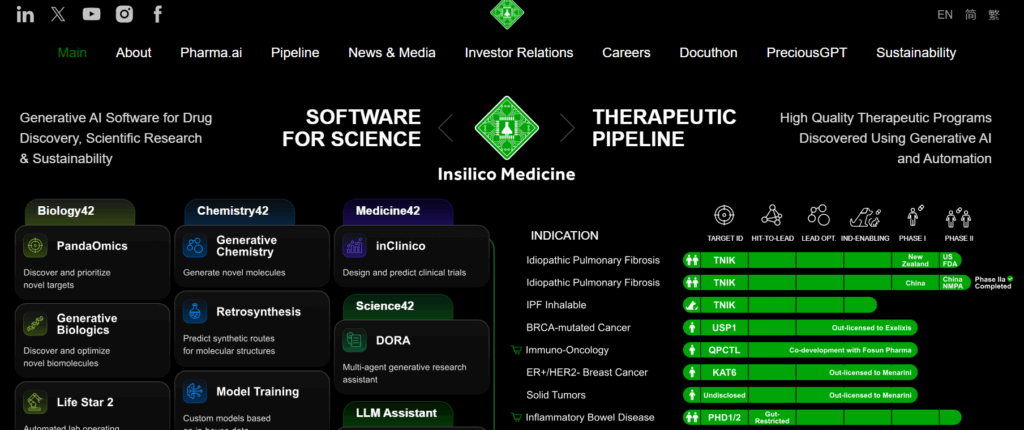
Eli Lilly agreed in March 2026 to pay Insilico Medicine $115 million upfront and up to $2.75 billion in total for a set of preclinical oral drugs designed on Insilico's AI platform, Outlook Business reported.
Most of that headline depends on milestones. The deal builds on a 2023 agreement under which Lilly licensed Insilico's software; this time it licensed drug candidates.
Insilico listed on HKEX on 30 December 2025, raising about HK$2.28 billion at HK$24.05 a share, Hong Kong's largest biotech IPO of 2025, with Lilly, Tencent and Oaktree as cornerstone investors.
Its lead drug, rentosertib, is a TNIK inhibitor for idiopathic pulmonary fibrosis whose Phase 2a results appeared in Nature Medicine in June 2025; a 320-patient Phase III trial at 47 centers in China has started.
The first-half 2026 profit alert, reported by RTTNews, guided revenue of about $102.5 million to $106.5 million and a net profit of $33.5 million to $39.5 million.
The corporate head office moved to Cambridge, Massachusetts in 2024, and research continues at Hong Kong Science Park and mainland sites.
- Base: Cambridge, Massachusetts head office, with Hong Kong Science Park operations.
- Ownership: listed on HKEX.
- What to watch: Phase III readout for rentosertib.
17. Cornerstone Robotics
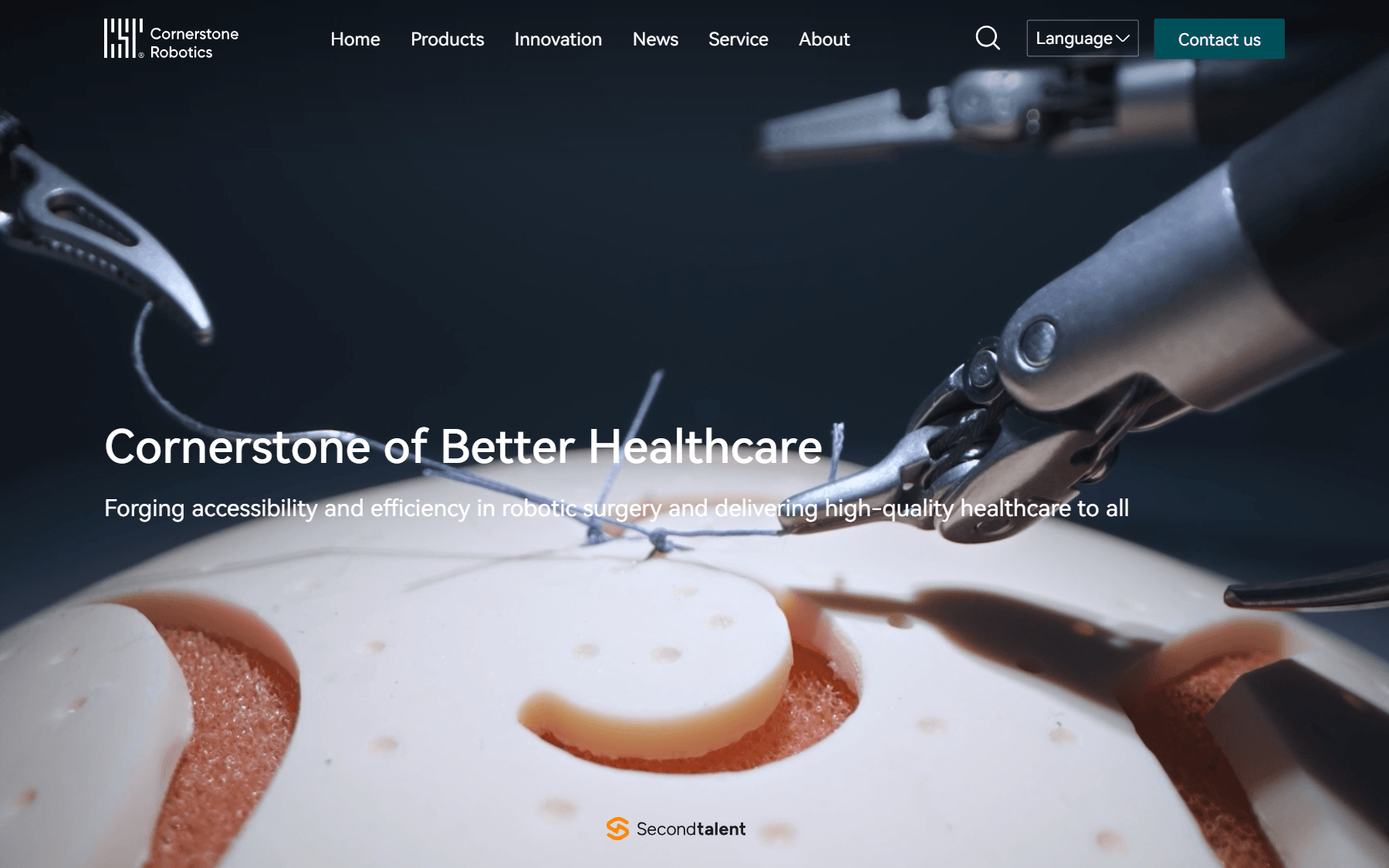
Medtronic agreed on 2 September 2026 to invest about US$700 million in Cornerstone Robotics, a deal that includes rights to distribute its surgical robot in China, Singapore and Europe, MedTech Dive reported.
Ten months earlier the Hong Kong Investment Corporation led a round of about US$200 million, SCMP reported, as part of the fund's push into biotech and medical devices.
The company's own site says it was "founded and headquartered in Hong Kong", at Hong Kong Science Park, and runs a 30,000 square meter manufacturing plant in mainland China.
Its product is the Sentire endoscopic surgical system, which has approvals in China, the European Union and Singapore; the CE mark for Europe came in May 2026. The company was founded in 2019.
- Base: Hong Kong Science Park.
- Ownership: private.
- What to watch: first European hospital installs under the Medtronic deal.
18. Prenetics

Prenetics had run about 5 million COVID-19 PCR tests by September 2021, China Daily reported; in 2026 it sells supplements.
Its brand IM8, co-founded with David Beckham, brought in $45.0 million of the company's $46.5 million revenue in the second quarter of 2026, up about 288%, per its Q2 release.
July alone brought $20.9 million of IM8 revenue, and the company raised its 2026 guidance to $220 million to $230 million.
The switch came through sales of the old businesses. The 2025 results show revenue of $92.4 million, up 480%, after Prenetics sold ACT Genomics and Europa and sold its Insighta stake to Tencent for $70 million.
In July 2026 it closed a $1 billion non-dilutive growth facility from General Catalyst's Customer Value Fund that pays for up to 70% of IM8 marketing.
SEC filings still give its address as K11 Atelier in Quarry Bay, while 2026 press releases carry a New York dateline.
The company site describes the flagship Daily Ultimate Essentials as a 90-ingredient daily nutrition product, NSF Certified for Sport, and reports $100 million+ in cash with no corporate debt.
- Base: SEC business address in Quarry Bay, Hong Kong; 2026 releases datelined New York.
- Ownership: listed on Nasdaq.
- What to watch: the $400 million+ IM8 target for 2027.
19. Rice Robotics
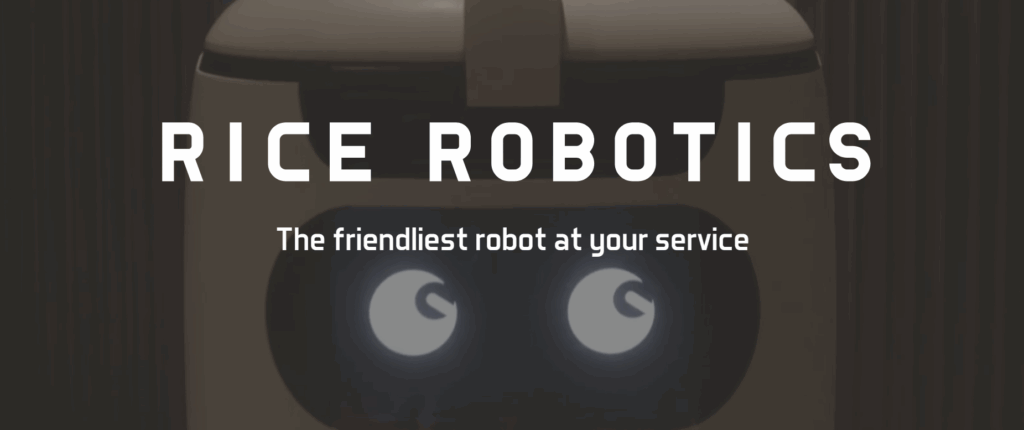
Rice Robotics makes delivery robots that carry 7-Eleven orders to SoftBank staff at its Takeshiba headquarters in Tokyo, a service running since January 2021, TechCrunch reported.
Japan Post has used five of its robots in Chiba since March 2021.
The company was founded in Hong Kong in 2019 and raised a US$7 million pre-Series A in July 2023 from investors including the Alibaba Entrepreneurs Fund, Sun Hung Kai & Co and Cyberport.
The announcement tied the money to a production plant in Hong Kong, a 13,000 square foot site in Tsuen Wan.
The product line covers delivery, disinfection, security patrol and conversational robots, run through its RiceCore fleet platform.
Client logos on the site include K11 Musea, HACTL, the Hong Kong Convention and Exhibition Centre, Sino Group and Henderson Land in Hong Kong, and 7-Eleven, Mitsui Fudosan and Japan Post in Japan.
- Base: Hong Kong, with a Japan subsidiary.
- Ownership: private.
- What to watch: a Series A, which it has not announced since 2023.
20. Hanson Robotics
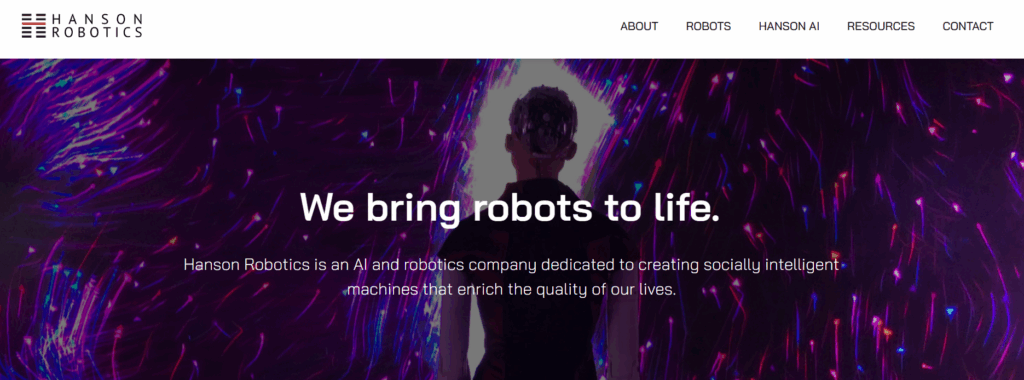
Hanson Robotics built Sophia, the humanoid robot that was granted Saudi citizenship and named a UN Development Programme Innovation Champion, both in 2017.
The company moved from Dallas to Hong Kong in 2013, and its rebuilt website describes it as "a Hong Kong-based AI and robotics company", founded by David Hanson.
The site counts 30+ robots created, visits to 65+ countries and 100+ awards. Sophia can show more than 60 facial expressions.
The work now leans toward care settings: Zeno is a robot for autism therapy research, Grace is built for healthcare and telepresence, and the company lists elder care and mental health support among its uses.
Hanson has announced no funding round in 2025 or 2026 and does not publish revenue.
It stays on the list because Sophia is still the best-known robot built in Hong Kong, and its Tsuen Wan base sits in the same district as the Rice Robotics plant.
- Base: Tsuen Wan, Hong Kong.
- Ownership: private.
- What to watch: commercial orders for Grace in hospitals.
Hong Kong's Startup Ecosystem in 2026
InvestHK's 2025 Startup Survey, published in January 2026, counted a record number of startups employing 19,753 staff including founders, up 12%.
Founders from outside Hong Kong were 33% of the total, and of those, 52.0% came from mainland China, 6.9% from the UK and 6.5% from the US. Startups by sector, which is the closest thing to a map of tech startup ideas in Hong Kong:
The two government parks hold most of the deep tech. HKSTP lists 2,500+ companies and 17,000+ R&D practitioners across its parks and says it has supported 14 unicorns, five of them home-grown.
Cyberport counts 2,400+ startups and tech companies and US$8.9 billion+ raised by its startups; its unicorn wall includes Animoca Brands, Klook, WeLab and ZA Bank.
Startup Genome's 2025 report placed Hong Kong 27th in the world, its first year in the main ranking, and Dealroom tracks 20 unicorns headquartered in the city; our unicorns by country ranking and top tech startups in Asia put those numbers in regional context.
Public money is the other half of the ecosystem:
Early-stage founders start smaller: the Cyberport Incubation Programme gives up to HK$500,000 over 24 months plus a HK$200,000 rental subsidy, and the HKSTP Incubation Programme up to HK$1.29 million.
On talent, the 2025-26 Budget reported more than 430,000 applications and 270,000 approvals across the city's talent admission schemes by the end of 2024.
Hiring Developers in Hong Kong
The companies above hire from the same pool of engineers.
On our Hong Kong developer rate card, software developers working for international clients earn HK$55,000 to HK$140,000+ a month, and the payroll and MPF costs on top are in our Hong Kong payroll and tax guide.
If you plan to hire developers in Hong Kong, compare a local search through one of the best headhunting agencies in Hong Kong with employing through one of the EOR providers in Hong Kong.
Second Talent matches companies with vetted engineers across Asia at 50-70% lower cost than local hiring, so a Hong Kong team can keep product and client roles in the city and build the rest of the engineering bench elsewhere in the region.
Tell us the roles you need and we will send matched profiles.
Frequently Asked Questions
What is the biggest tech company in Hong Kong?
Among companies headquartered in the city, HKT is the largest by revenue on this list, at HK$36.6 billion in 2025, followed by Futu at HK$22.8 billion.
Tencent, Alibaba and Lenovo trade on HKEX, but their operating headquarters are in mainland China or elsewhere.
How many startups are there in Hong Kong?
InvestHK's 2025 survey counted 5,221 startups, up 11% on the 4,694 in its 2024 survey. Fintech is the largest sector, with 591 startups.
Which Hong Kong IT companies offer IT services?
PCCW Solutions, the IT services arm of the PCCW group, and Automated Systems Holdings (ASL), listed on HKEX as 0771, are the two best-known local providers. Both work for government, banking and healthcare clients.
Which Hong Kong startups have gone public recently?
HashKey and Insilico Medicine listed on HKEX in December 2025. Klook filed for a New York listing in November 2025 and Lalamove's parent filed its seventh Hong Kong application in April 2026; neither had listed by October 2026.